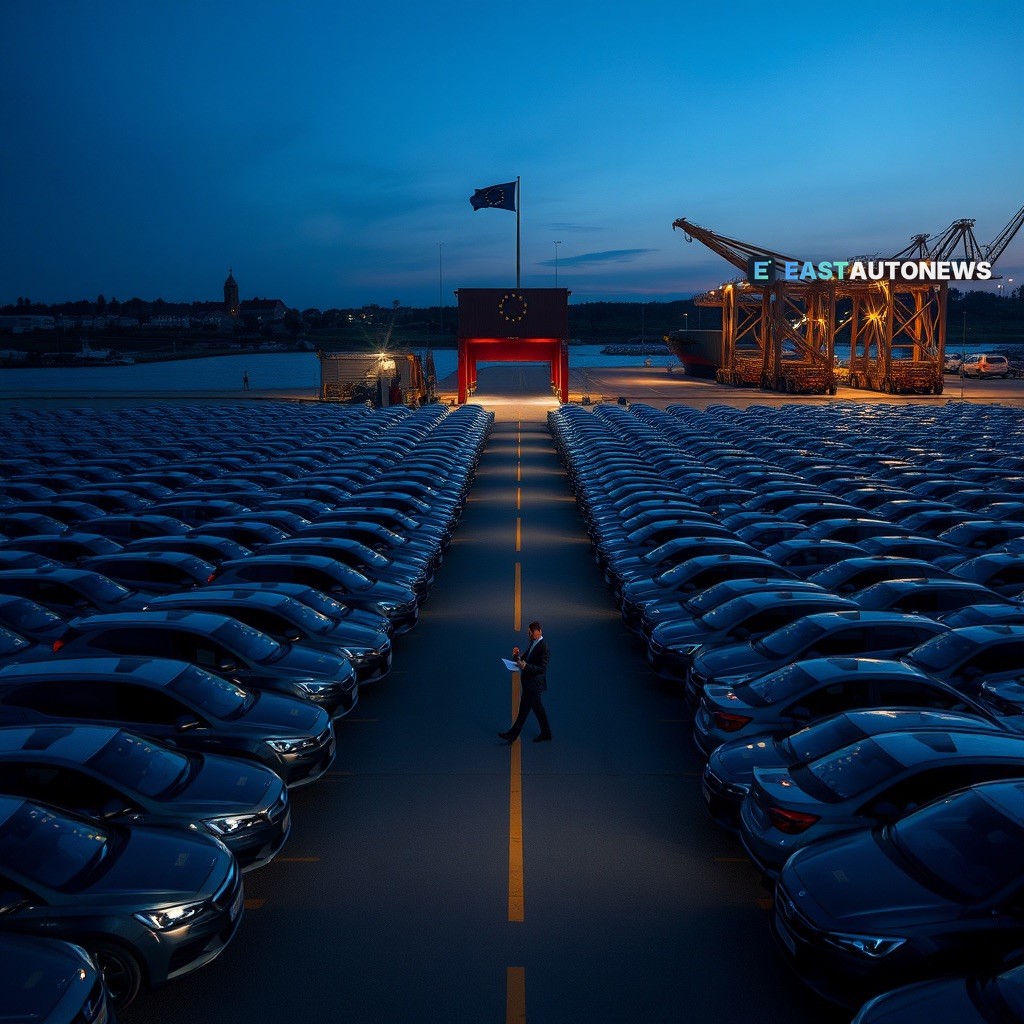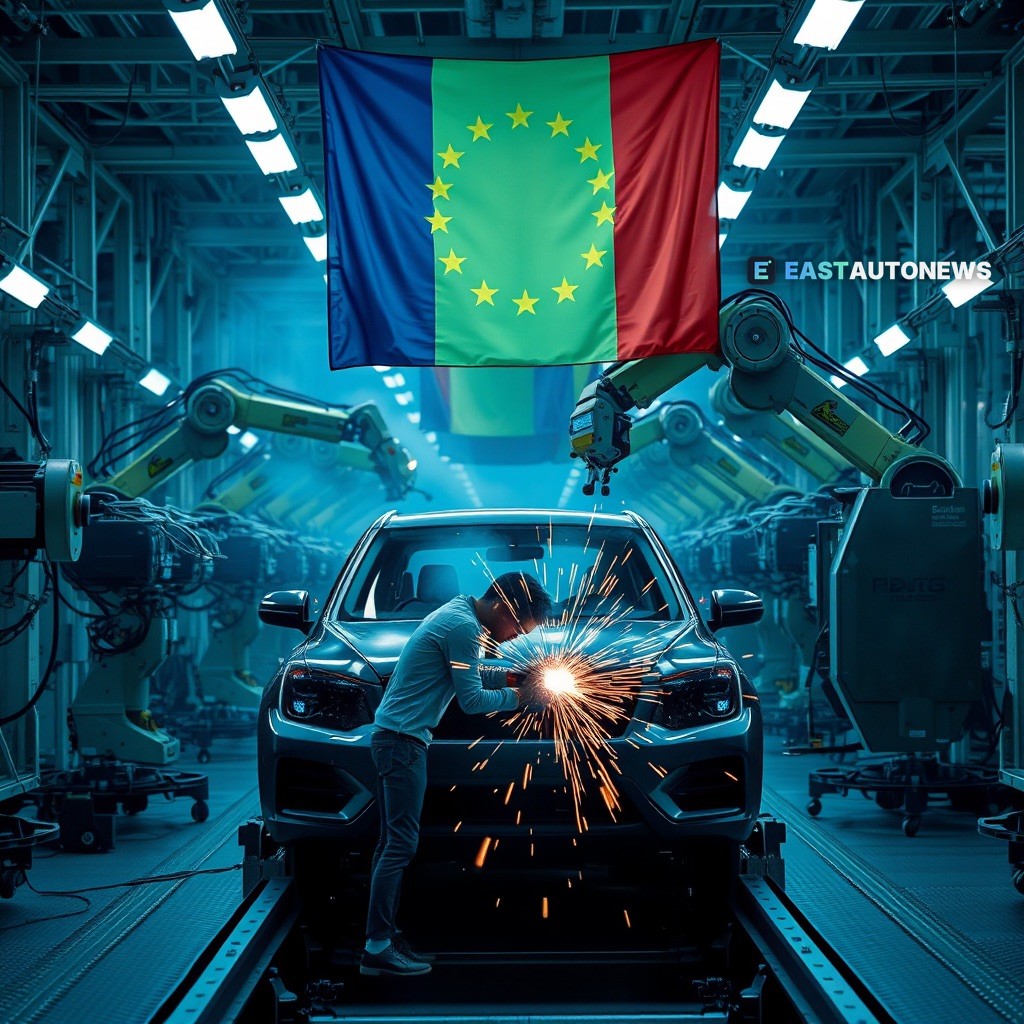
On the assembly lines of Mioveni and Craiova, where Dacia and Ford built Romania's reputation as one of Eastern Europe's carmaking powerhouses, a new question is being bolted into every vehicle: where does this part come from? Under the EU's emerging "Made in Europe" plan, cars imported from Japan would not qualify for EU subsidies at all, while models built in France, Portugal and Eastern Europe, Romania's home turf, would benefit only if enough of their parts come from Europe. For a country whose factories have spent decades exporting affordable cars across the continent, the geography is suddenly the easy part. The arithmetic is not.
The plan has already unnerved global auto suppliers, and the nerves are easy to understand. A vehicle rolling out of a Romanian plant is European by birth, but subsidy eligibility would hinge on the origin of its components, not the flag above the factory gate. That effectively turns procurement into policy: every battery cell, wiring harness or gearbox sourced outside Europe could quietly erode a model's claim on EU money, while every European part strengthens it. For manufacturers with Romanian production, the new rules amount to one giant supply-chain audit.
For Romania's supplier base, the stakes cut both ways. Plants assembling vehicles with a high share of European-made components stand to become more attractive to global carmakers chasing subsidy eligibility, a potential order-book windfall for local parts makers. But manufacturers whose bills of materials lean heavily on imported components face a stark choice: regionalise the supply chain, or watch rivals collect the subsidies. In a low-cost, high-volume hub like Romania, that decision could redraw sourcing maps across the whole region.