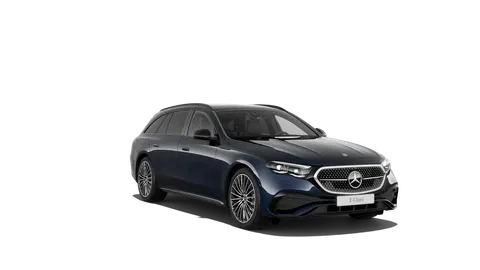
Where, exactly, does Europe end? In the procurement offices of the continent's car plants, that question has suddenly stopped being geography and started being money. Under the EU's “Made in Europe” push, 70% of the total value of a vehicle's components — the battery excluded — must be made in Europe before a model qualifies for subsidies. Cars imported from Japan are already out of the running, and models built in France, Portugal and Eastern Europe will collect their reward only if enough of their parts come from Europe. Overnight, every supplier invoice has become a question of continental identity.
The plan has unnerved the industry's supply base far beyond Brussels' immediate reach. Turkey's auto exporters — €26.8 billion in exports last year — are watching the fine print with alarm, and producers from ASEAN and beyond fear the rules will inflate their costs and erode their competitiveness as European customers redraw their sourcing maps. But if the world's component makers are nervous, one country on the continent's eastern edge has more riding on a single word than most: Ukraine.
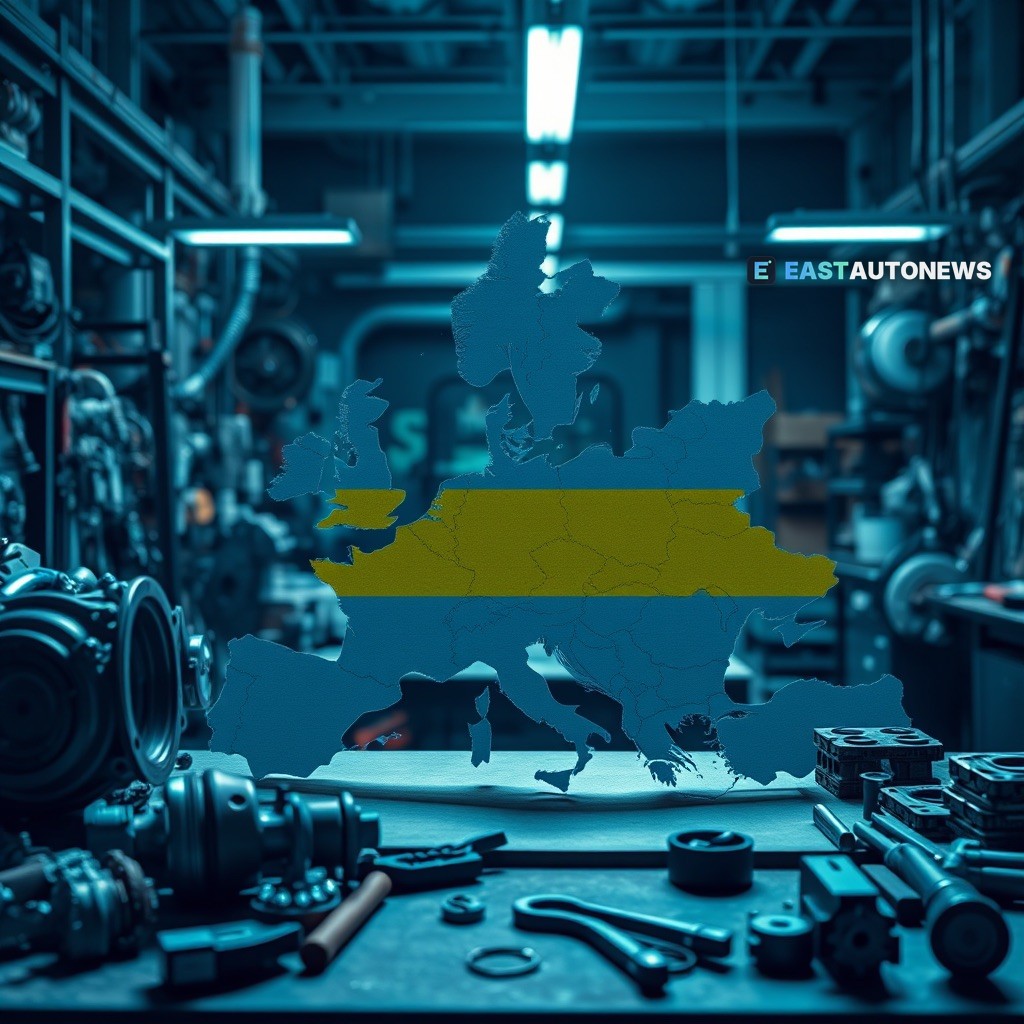
Ukraine's parts makers are European on any map you care to unfold, yet they sit outside the EU's legal perimeter — and that gap is now the whole ball game. Read literally, “made in Europe” sweeps Ukrainian components into the club: every plant in Poland, Slovakia or Romania chasing the 70% threshold gains one more European source to call on, and a war-tested Ukrainian supply chain finds itself courted rather than overlooked. Read narrowly, as EU-only, the door slams shut precisely as the country's export corridors reopen — a wall built not of tariffs but of definitions.