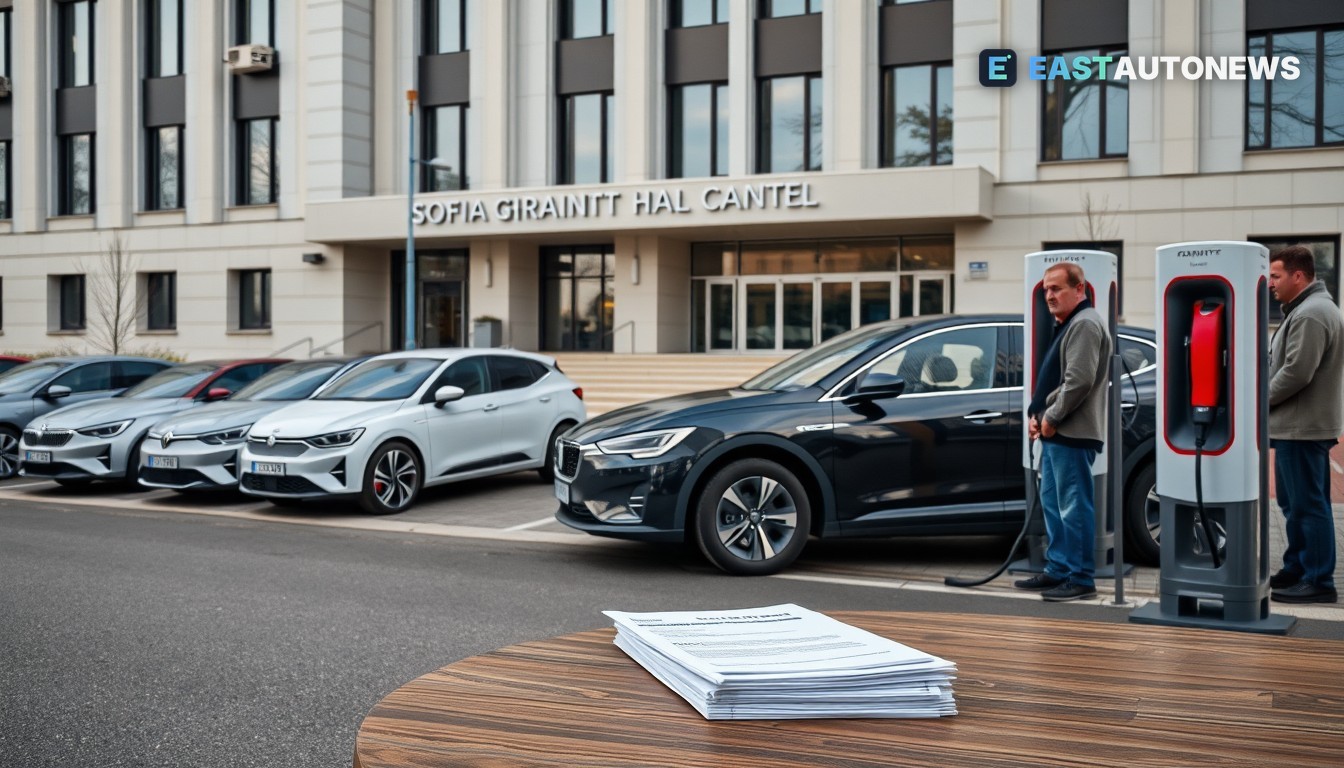
Bulgaria’s National Council for Tripartite Cooperation (the country’s employers‑unions‑state forum) has supported a package of draft tax amendments that includes a new excise on high‑power passenger cars and a phased rise in the VAT registration threshold. The council meeting took place on 23 October and the story was reported by the Bulgarian news agency BTA and summarised by InvestBulgaria on 26 October 2026.
Key elements of the draft
Under the Finance Ministry’s consultation draft (public consultation ran 23 Sept–23 Oct), the proposed excise would apply to light passenger cars with rated power at or above 250 kW. The ministry’s draft sets a fixed levy at the 250 kW threshold (proposed examples in the draft: €5,000 for a used car and €10,000 for a new vehicle at 250 kW) with an incremental add‑on for each kW above the threshold; bgplug’s checks of the consultation document give the scale and examples.
The draft also states that hybrid vehicles would be assessed on the output of their internal‑combustion engine for excise purposes, while fully electric vehicles, ambulances and certain specialised vehicles would be excluded from the new excise — a point confirmed in statements attributed to Deputy Finance Minister Lyudmila Petkova during the 23 October meeting. The tripartite council added editorial comments before the measures advance to the 2027 budget process.
VAT threshold and parliamentary path
The same draft phases in a higher mandatory VAT registration threshold for small businesses: EUR 60,000 from 1 January 2027, EUR 70,000 from 1 January 2028 and EUR 75,000 from 1 January 2029, according to the Finance Ministry summary cited by InvestBulgaria. The tax package now moves forward as part of the 2027 budget process and will require parliamentary votes and final drafting before any measures become law.
What this means for the market
(Inference) The draft design — a power‑based fixed charge plus an incremental kW supplement, with explicit EV exemption and hybrids judged on ICE power — creates a clear legal mechanism to target high‑power, luxury and performance ICE cars on import or first registration while protecting fully electric models from the levy. That will shape the cost calculus for importers, dealers and buyers of high‑power cars if the proposals are enacted in the Budget 2027 text. The inference is based on the ministry’s consultation text and the tripartite council’s support of the draft as reported.
Industry groups asked for clarity in the consultation: the Association of the Bulgarian Automotive Employers (ASEB) urged an explicit exemption for full BEVs in writing, noting technical measurement issues (peak vs sustained power) that can make some electric and hybrid models appear above the 250 kW threshold in certificates. The consultation text and ASEB responses show that implementation details — e.g., whether manufacturers’ advertised peak power or a 30‑minute rating will be used — remain matters for final drafting.
Officials and the Finance Ministry framed the measure as both revenue raising and targeted at very high‑power / luxury vehicles; but the draft remains subject to change during parliamentary debate and the budget vote. Companies, dealers and fleet operators should watch the parliamentary timetable and the final wording for the definition of “power” and the exact excise calculation, because those details determine which models and imports will be affected.
Electric cars available now on WorldTrader24 →
Sources: InvestBulgaria, BTA, bgplug, OFFNews