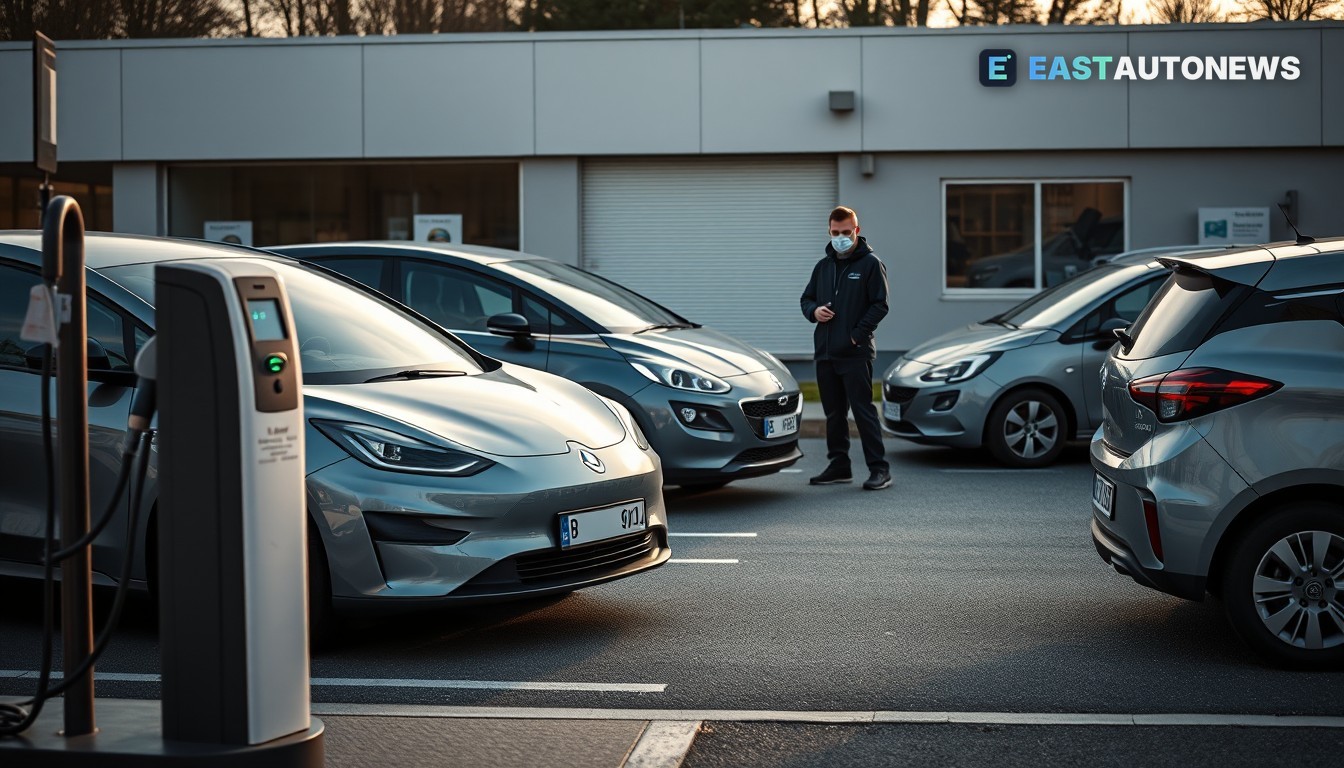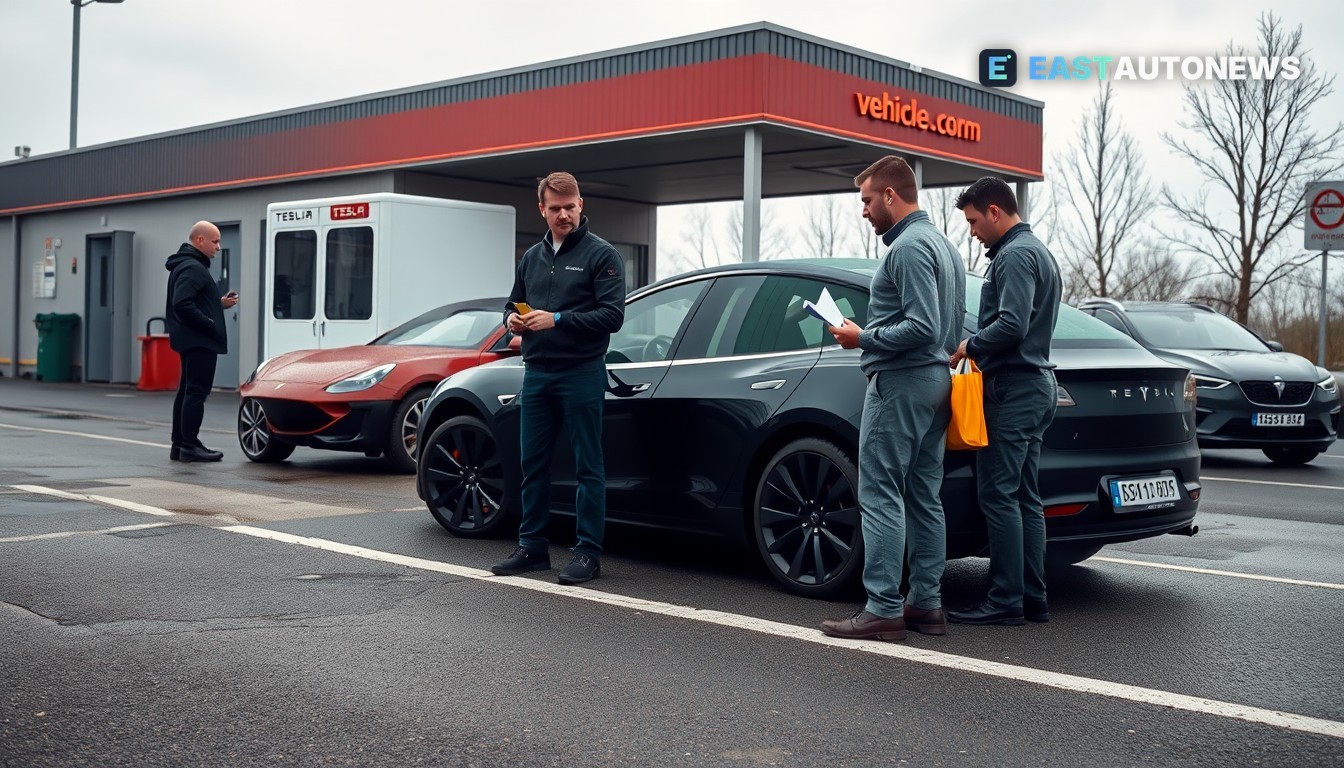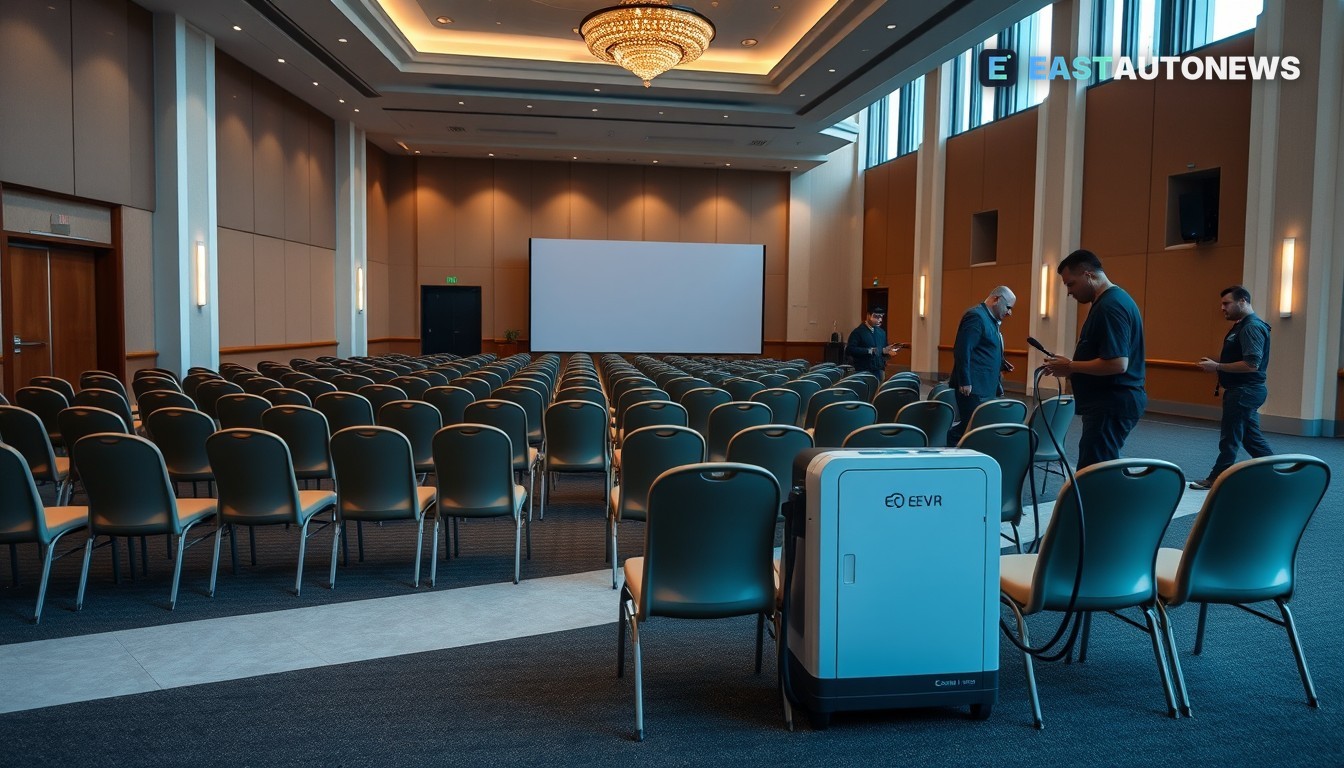
The first Serbia eMobility Forum, organised by the Chamber of Commerce and Industry of Serbia (PKS) with US firm VoltiE Group, took place in Belgrade on October 30, 2026 and ended with a clear call: expand charging infrastructure fast and attract local charger manufacturing.
What was announced
Marko Čadež, president of PKS, told delegates that the development of charging infrastructure, new investments and stronger international partnerships are “essential to accelerating e‑mobility in Serbia.” He said Serbia’s eMobility Centre has been working to connect vehicle and equipment makers, infrastructure companies and other stakeholders to speed the sector’s growth.
Speakers and exhibitor lists at the VoltiE summit included representatives from the US Embassy, ABB, local charging operators and international developers, underlining the organiser’s aim to link Serbian companies with overseas technology and capital.
PKS and other local reports highlighted sharp recent growth in electric‑vehicle uptake: registrations of electric passenger cars in the first half of 2026 rose “more than 300%” versus the same period in 2025, while total battery‑electric and plug‑in uptake remains small in absolute terms — roughly “more than 10,000” EVs on the road and about 250 public chargers, figures delegates used to illustrate the gap between demand and infrastructure.
Market context: new‑car sales are rising
The push for chargers comes as Serbia’s new‑car market accelerates: Focus2Move reports YTD (to end‑September) 2026 sales up 19.9% to 33,273 units, and local market trackers show a particularly strong September with a c.27.5% year‑on‑year jump to about 3,238 registrations that month. That momentum is cited by industry and government speakers as a reason to prioritise charger roll‑out and domestic production opportunities.
What this means for the market
Short term, the forum is unlikely to deliver factory announcements overnight, but it has three concrete implications: policymakers have signalled support for public‑private projects in charging, international suppliers and developers are being actively courted, and Serbian clusters (suppliers, logistics and workforce) are positioning to win assembly or sub‑assembly work for chargers and power electronics if investors commit. The PKS framing — and the presence of VoltiE and global suppliers — makes charger manufacturing the single most plausible near‑term industrial opportunity emerging from the event.
For dealers and fleet operators, faster charger deployment would ease range‑anxiety and make EV sales easier to sustain; for suppliers it opens a new low‑voltage electronics and mechanical‑assembly opportunity that could sit alongside ongoing investments in tyres, parts and logistics in Serbian industrial parks. The market figures underlining stronger overall vehicle demand provide economic justification for investors weighing production projects here.
Electric vehicles for sale on WorldTrader24 →
Sources: Chamber of Commerce and Industry of Serbia (PKS), VoltiE Group, Focus2Move, CE Auto, Beta