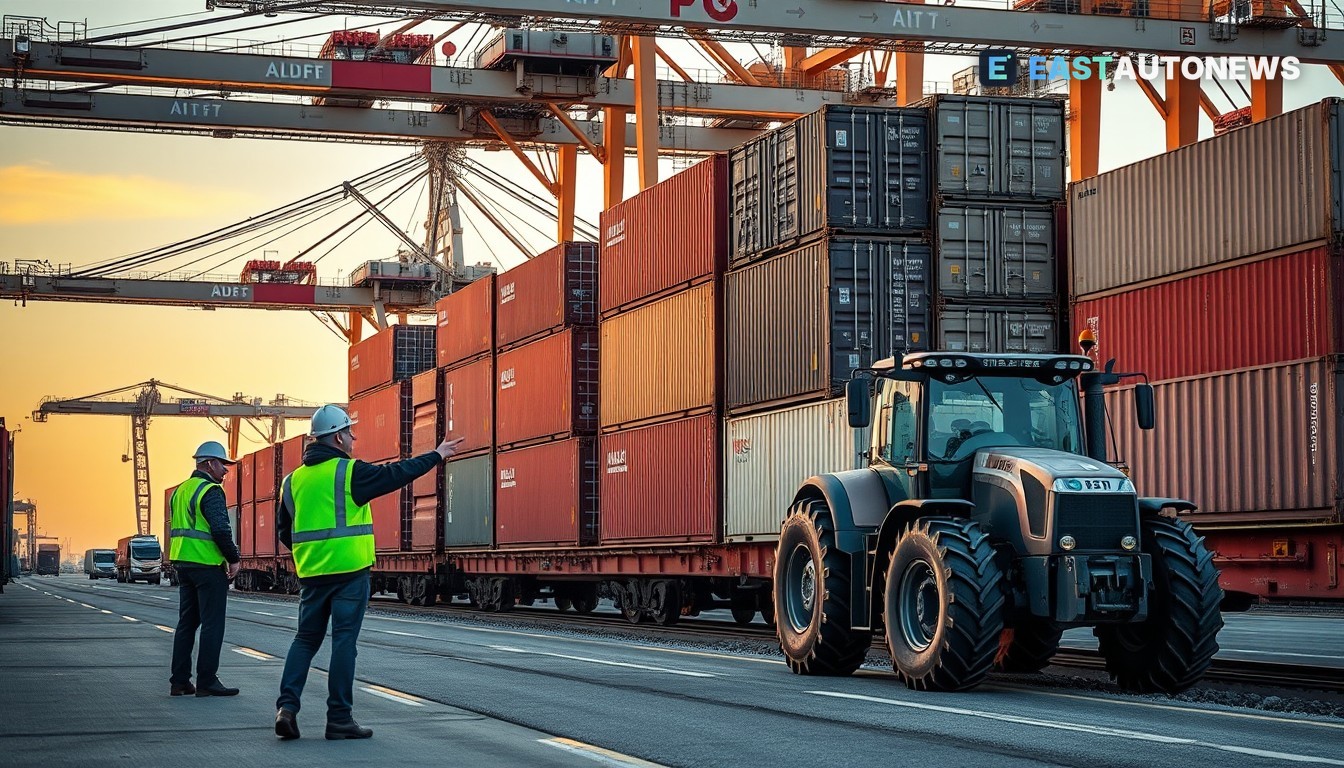
With constrained container calls at Greater Odesa ports, European gateways have taken on much more of Ukraine’s import flows in recent months — and the picture is changing for automotive supply chains. Freight operator Rohlig SUUS Logistics says Gdańsk’s Baltic Hub now handles around 40% of Ukrainian container volumes and has become the primary sea–rail gateway for machinery, vehicles and parts bound for Ukraine.
Why Gdańsk, and why now
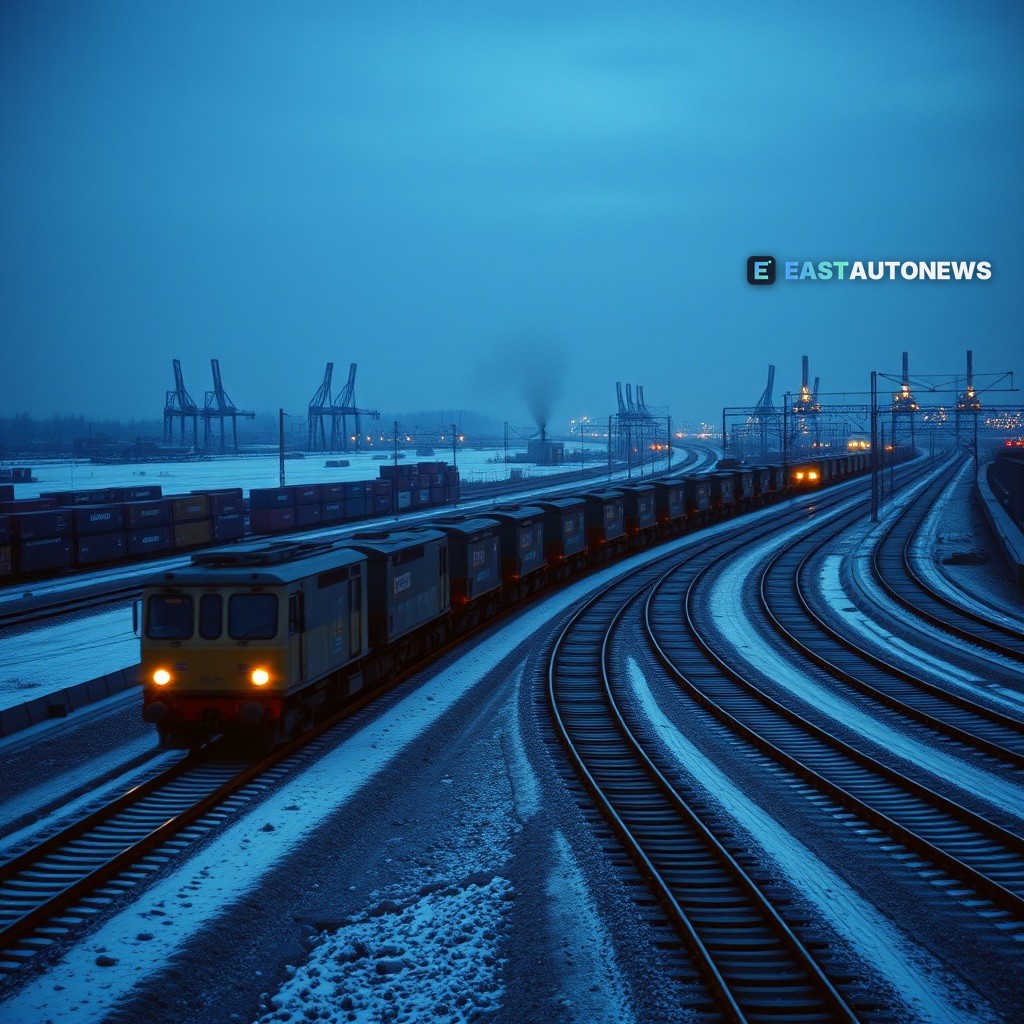
Gdańsk’s advantage stems from deep‑water access that allows direct ocean calls from Asia, plus growing intermodal rail services into western Ukraine. A regular intermodal rail service from Baltic Hub to Ukraine has been active since November 2025 and cuts inland transit time to roughly five days, enabling faster delivery of components and whole vehicles that previously transited via multiple hubs.
The strategic shift to Poland also reflects trade flows: Poland was Ukraine’s second‑largest supplier after China in January–July 2026 (about 9.5% of imports) and Polish exports to Ukraine rose 13.4% year‑on‑year in the first half of 2026 — faster than to any other of Poland’s top‑10 partners. For car dealers and parts importers this means more predictable, shorter logistics chains from EU ports into Ukraine’s western and central regions.
Alternative routes and new terminals
While Gdańsk is the core gateway, southern and northern alternatives are critical. Constanța (Romania) is the main southern route, using road and Danube links, but recent surges in container volumes have congested the port and stretched customs clearance to 5–7 days (from a typical 2–3), prompting some shippers to reroute cargo north to Poland. Hamburg remains important for deep‑sea connections and rail links into Europe.
On the Ukrainian side, intermodal capacity is growing: the modernised Eurobridge terminal at Batiovo — a junction between European (1,435 mm) and broad (1,520 mm) gauges — opened in February 2026 and is now handling intermodal services that shorten transshipment times for containers and wagons arriving from EU ports. International operators have been investing in these inland transshipment hubs: HHLA acquired a majority stake and is developing capacity at Eurobridge Batiovo to link EU rail corridors with Ukraine.
What this means for the market
For automotive trade and logistics the net effect is a re‑routing of flows and a tighter coupling of EU port‑rail networks with Ukrainian distribution. Importers of new vehicles, aftermarket parts and production equipment can expect shorter transit times from Baltic Hub and fewer handling stages when they use Gdańsk–rail corridors; however, reliance on a smaller set of gateways raises sensitivity to port congestion and customs delays (Constanța’s recent 5–7 day clearance window is a reminder). Companies moving vehicle consignments or high‑value components will need to plan routing dynamically, choose logistics partners with local presence, and factor in inland transshipment capacity at terminals such as Batiovo.
Polish and Romanian routes will continue to grow in importance for Ukraine’s car market — for both used‑car imports (which form the majority of retail registrations) and for industrial flows of machinery and parts. The expansion of intermodal terminals on both sides of the border and investments by global operators are the clearest near‑term developments to watch.
WorldTrader24 B2B vehicle marketplace for dealers →
Sources: AJOT (Rohlig SUUS Logistics), Trans.info / HHLA