On 4 November 2026 the European Parliament's Environment, Internal Market and Transport committees adopted a joint position on the Commission's so‑called "automotive omnibus" by 105 votes in favour, 39 against and 21 abstentions. The committees' text adds new safety and market measures — notably a requirement that passenger‑car and light‑commercial vehicle door handles be designed so doors can be mechanically opened from inside and outside in an emergency, and a mandatory child‑presence detection system that operates after a vehicle is switched off or locked.
Key measures approved by committees
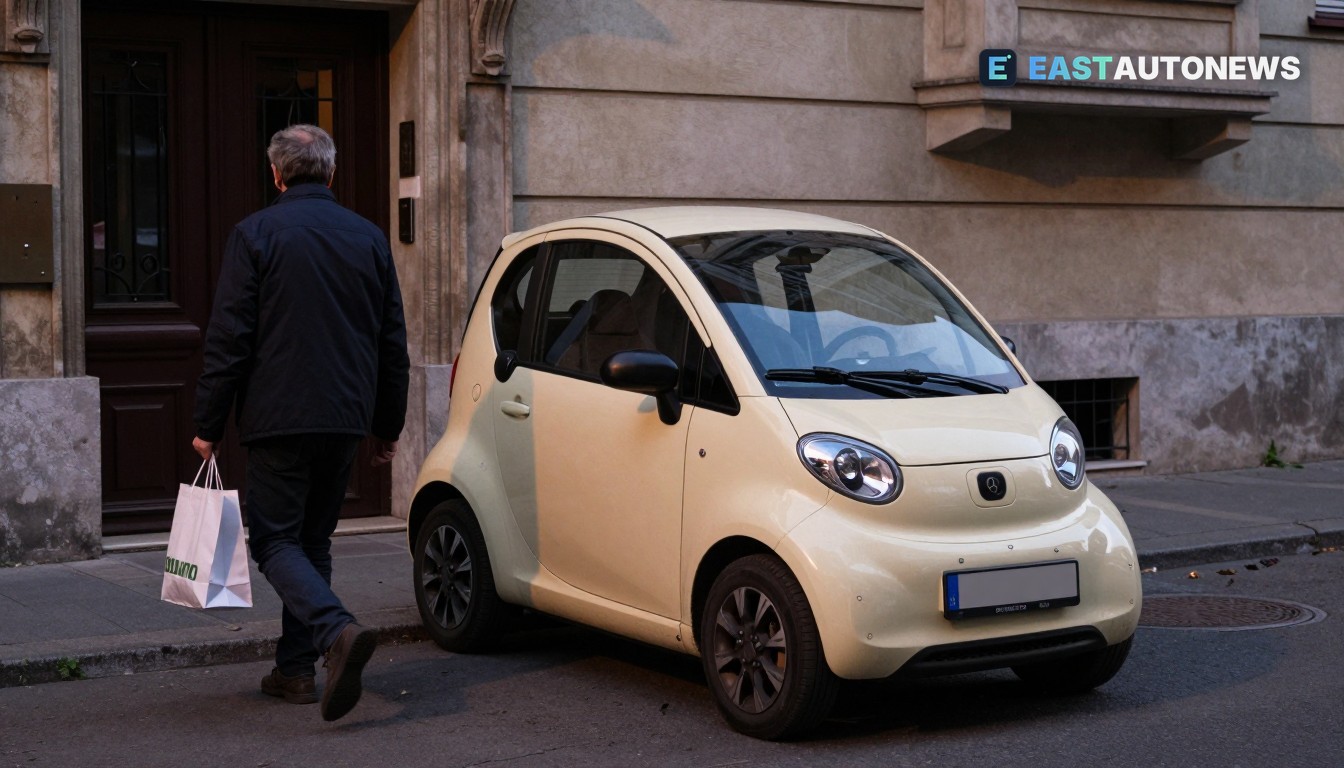
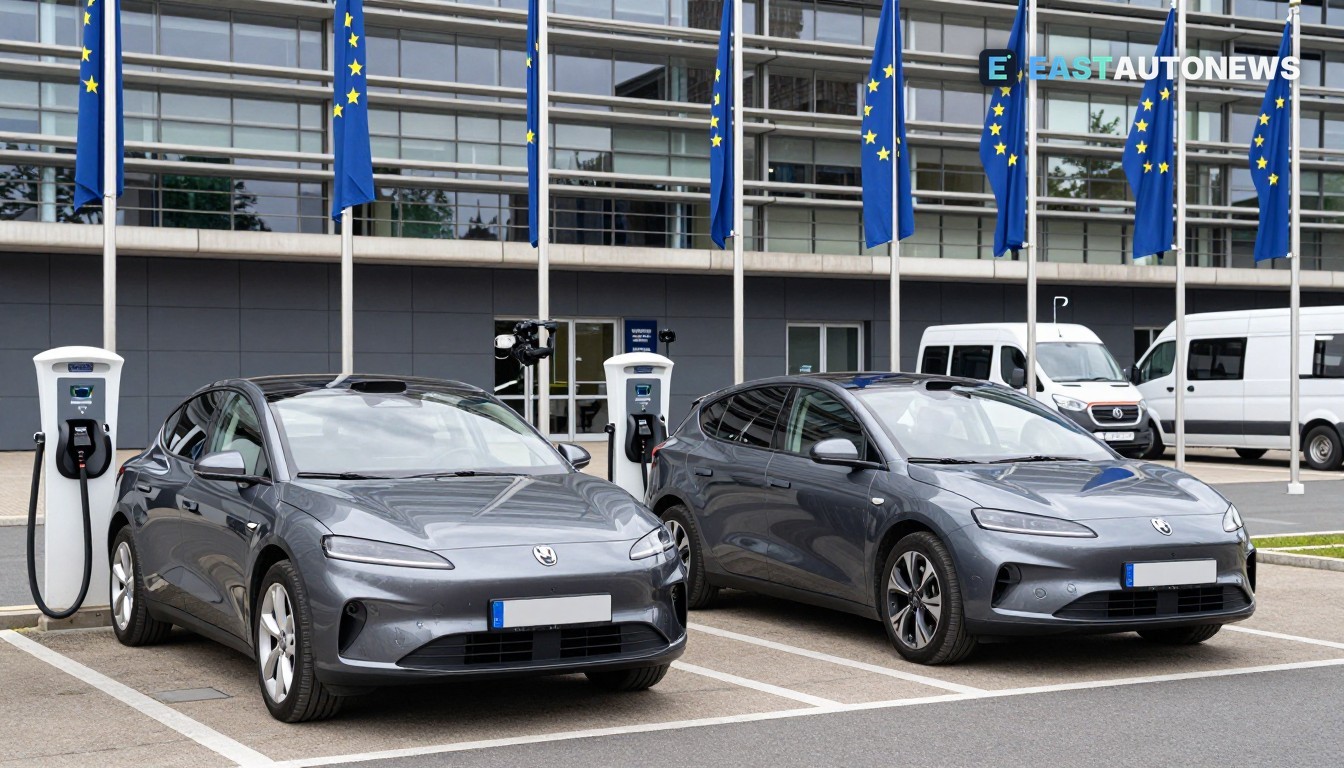
The committees proposed creating a new EU‑made "small electric vehicle" category for passenger cars up to 4.2 metres long, and a separate "highly efficient EV" definition. Small, EU‑made EVs in those categories would be eligible for targeted incentives including super‑credits under revised CO2 performance rules. The Environment Committee separately voted on the same day to lower the 2035 car CO2 target in its position from 100% to 87.5%.
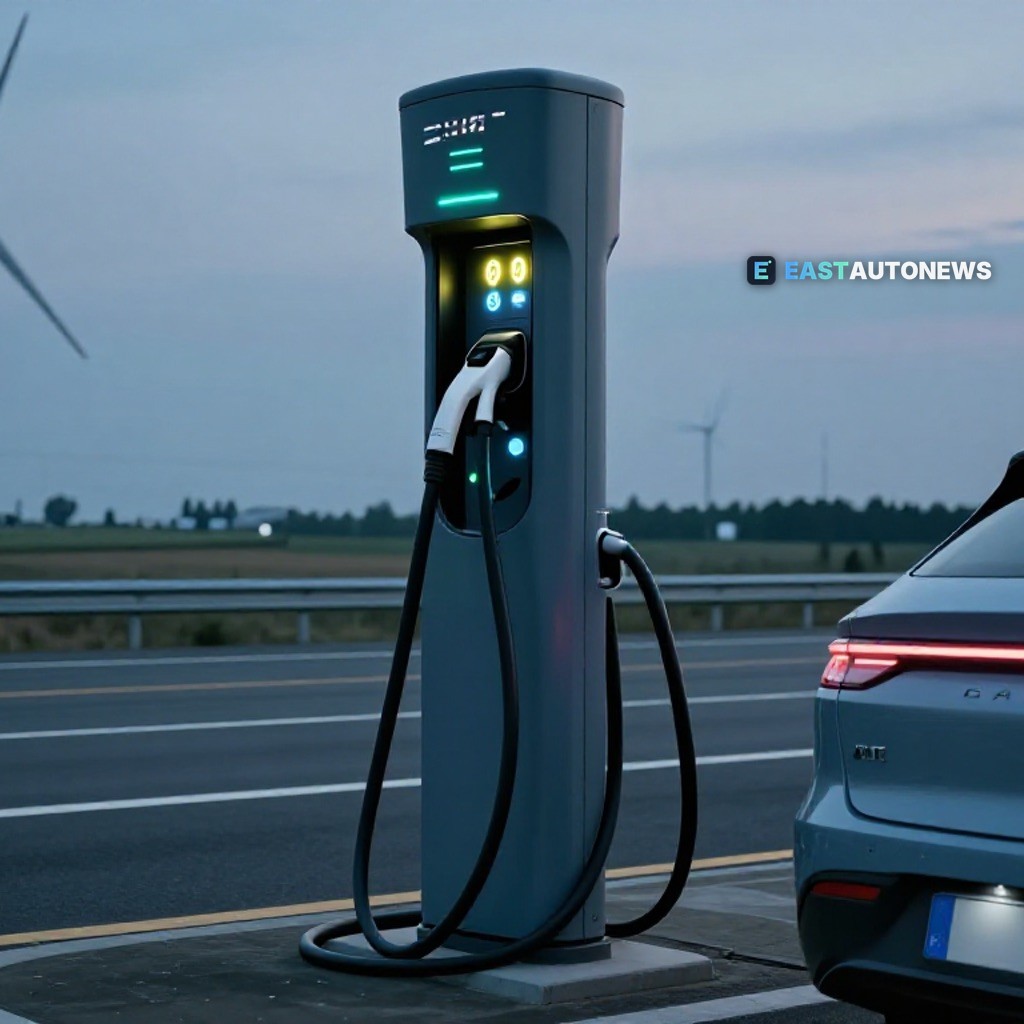
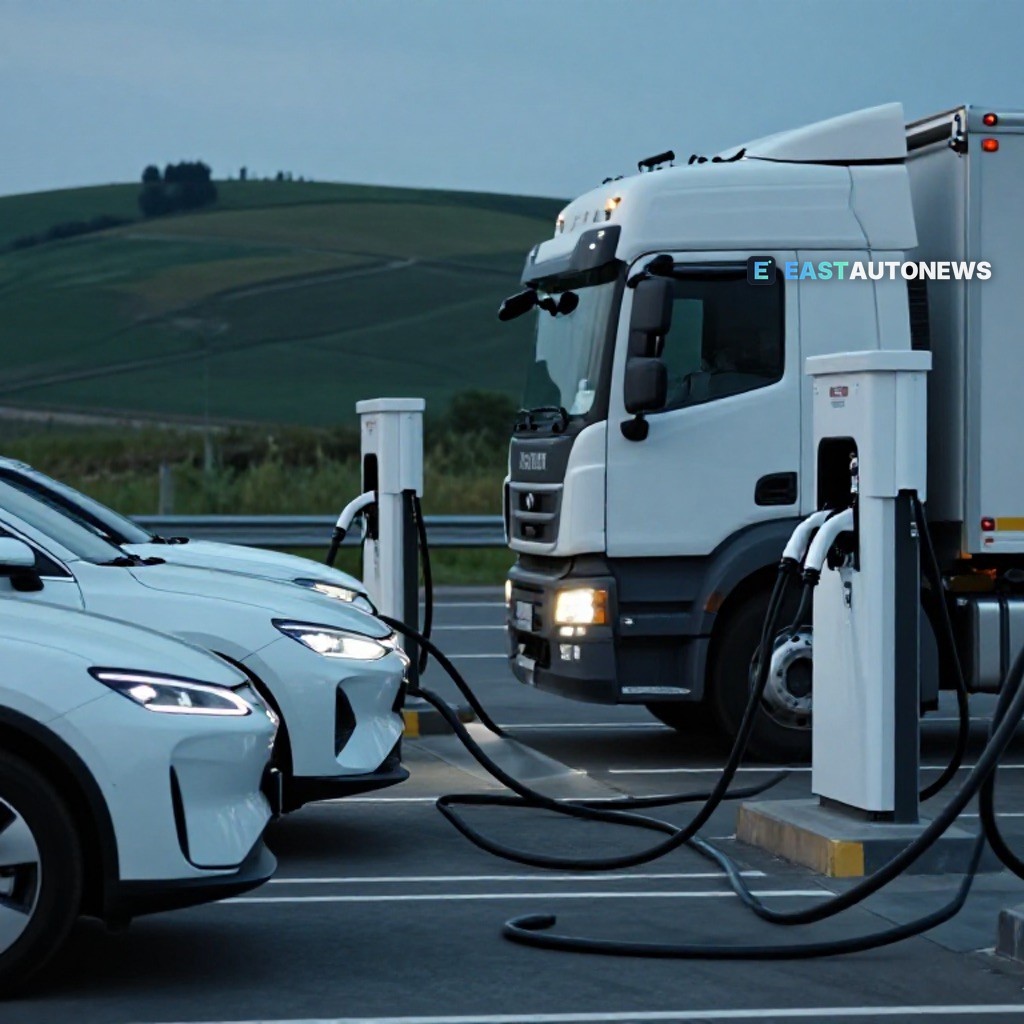
The text also instructs the Commission to adopt technical requirements by 31 December 2027 to guarantee interoperability between electric cars, plug‑in hybrids, charging infrastructure and the electricity grid; it proposes mutual recognition of national authorisations for testing and deploying automated vehicles; and it calls for an 18‑month postponement of Euro 7 heavy‑duty rules. Parliament is expected to vote a negotiating mandate at the December 2026 plenary.
What spokespeople said
Co‑rapporteur Michael Bloss (Greens/EFA, DE) said the vote was intended to provide clarity and planning certainty for industry as it electrifies. Co‑rapporteur Andreas Schwab (EPP, DE) called the text "a clear step towards cutting red tape" and said the measures strengthen competitiveness and jobs in Europe. The committees cite Commission estimates that the simplifications could save industry, citizens and public authorities around €706 million a year.
What this means for the market
For carmakers and suppliers in Central and Eastern Europe the committees' position matters in three practical ways. First, the new small‑EV and "highly efficient EV" categories explicitly reward vehicles made in the EU, so any CEE assembly or component plant that helps a model meet a "made in EU" test could become more valuable when negotiating OEM allocations and investment. Second, the smart‑charging interoperability deadline (31 Dec 2027) raises the bar for vehicle‑to‑charger software and grid compatibility; automakers and Tier‑1 software suppliers in the region will need to factor those technical requirements into development schedules and homologation plans. Third, the added safety requirements (child‑presence detection and mechanically openable doors) create additional compliance work for suppliers of interior hardware, sensors and software — a potential near‑term revenue stream for regional parts makers but also a timing and cost pressure for vehicle projects.
None of the committees' amendments are law yet: the text is a negotiating mandate that must be approved in plenary and then agreed with member states in trilogue. Still, the Nov. 4 package signals Parliament's priorities for the next negotiating round and gives suppliers and OEMs a clearer picture of likely technical and regulatory requirements they must meet.
Small EV listings on WorldTrader24 →
Sources: European Parliament (press release via PubAffairs Bruxelles), Lovguiden