Shipowners and masters are increasingly reluctant to accept orders to Romanian and Bulgarian ports after a spate of maritime drone attacks in October, maritime-security monitors and industry press reported this week. The shift from insurers and carriers treating the Black Sea as an insurable cost to some owners effectively saying “no” to calls is already affecting capacity around Constanța and other gateways used by Central and Eastern Europe’s automotive supply chains.
What the security data shows
Maritime security firm Ambrey has logged a large number of incidents in the western Black Sea: it reported hundreds of security events in the area, with a majority inside Ukrainian waters but a significant fraction outside them — a pattern that, Ambrey analysts say, is driving the recent operational caution among owners and crews. Richard Meade, editor-in-chief of Lloyd’s List, told reporters that “some owners are essentially seeking to refuse orders to Romanian and Bulgarian ports.”
National and allied responses reflect the concern. A French Atlantique 2 maritime patrol aircraft deployed to Romania has had its stay extended to bolster surveillance of commercial traffic, Reuters reported via gCaptain on 5 November 2026. French officials said the aircraft’s presence would be maintained “for a few weeks” to help detect sea drones and other small threats.
Immediate logistics consequences
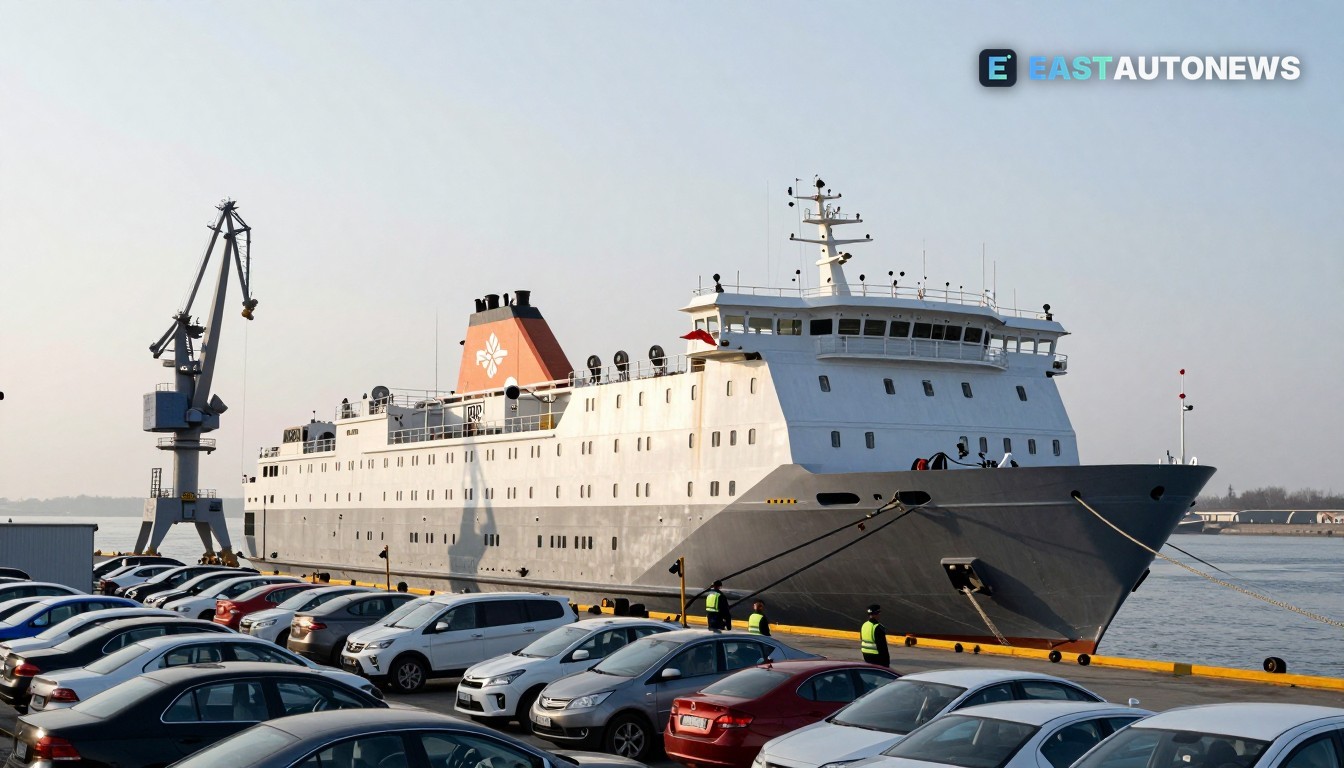
Operations at Romania’s main deep‑sea hub have already seen short, sharp disruption: a storm in early November led Constanța, Mangalia and Midia to restrict vessel movements and left a backlog of vessels at anchor; media cited around 30 vessels waiting to load or unload on the morning of 3 November. Combined with growing crew reluctance and pre‑voyage security demands, those queues signal slower berth turns and higher idle time for ships called to the region.
Underwriters and brokers are monitoring the situation closely. While premiums and named war‑risk surcharges have been one response to attacks, the current change in behaviour — owners declining voyages or insisting on extra assessments before accepting calls — moves the problem from a price issue to a capacity one, industry commentators warn. That in turn raises the risk of longer transit times and the need for alternative routings or transshipment points for cargoes that would normally transit the Black Sea.
What this means for the market
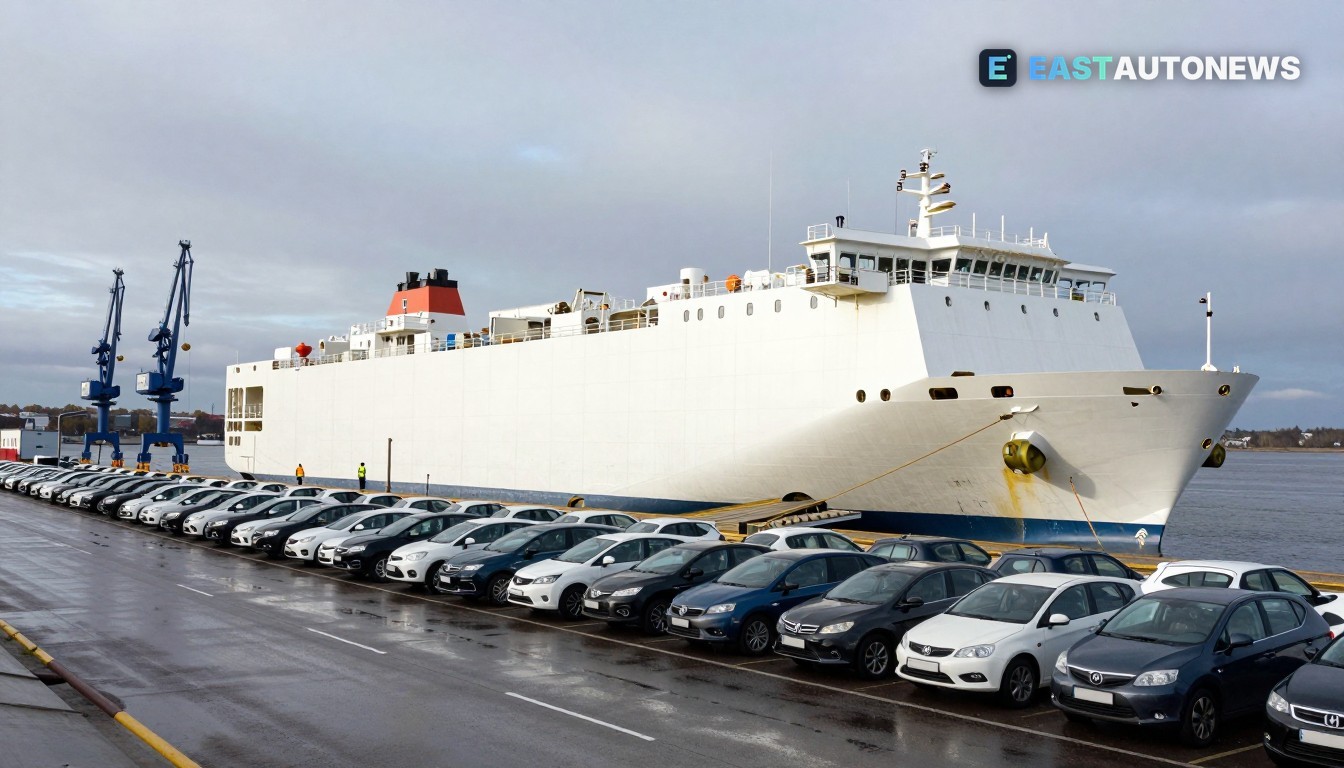
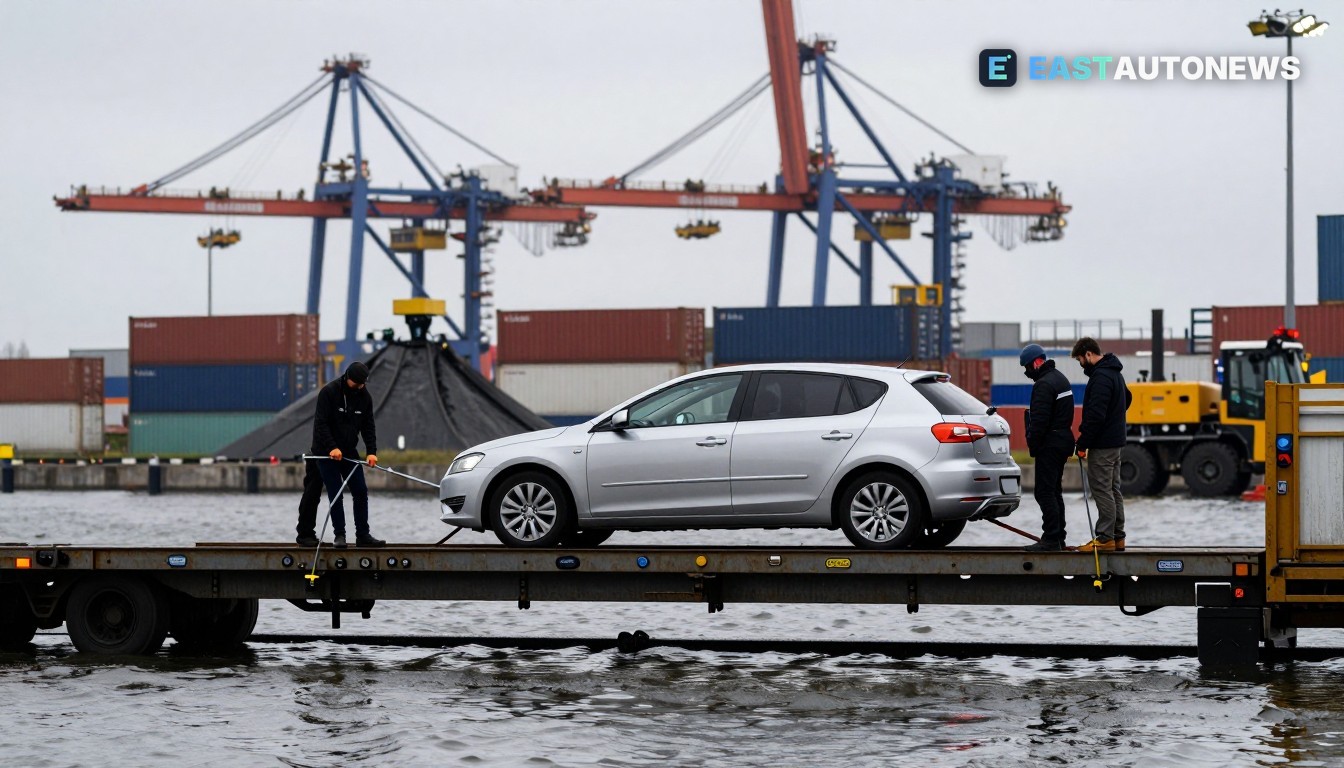
For carmakers and parts suppliers in Central and Eastern Europe the near‑term consequences are practical. Finished vehicles, spare parts and inbound raw materials routed via Black Sea hubs — or via feeder and short‑sea services linking to Adriatic and North‑Sea transhipment ports — may face delays, schedule uncertainty and higher freight and handling costs if owners continue to refuse calls or carriers rework schedules. The supply chains that shifted to Romanian gateways after Ukrainian Black Sea capacity fell earlier this year are the most exposed. Ambrey told reporters it expected the elevated threat environment to persist for the next couple of months, keeping the pressure on logistics planners.
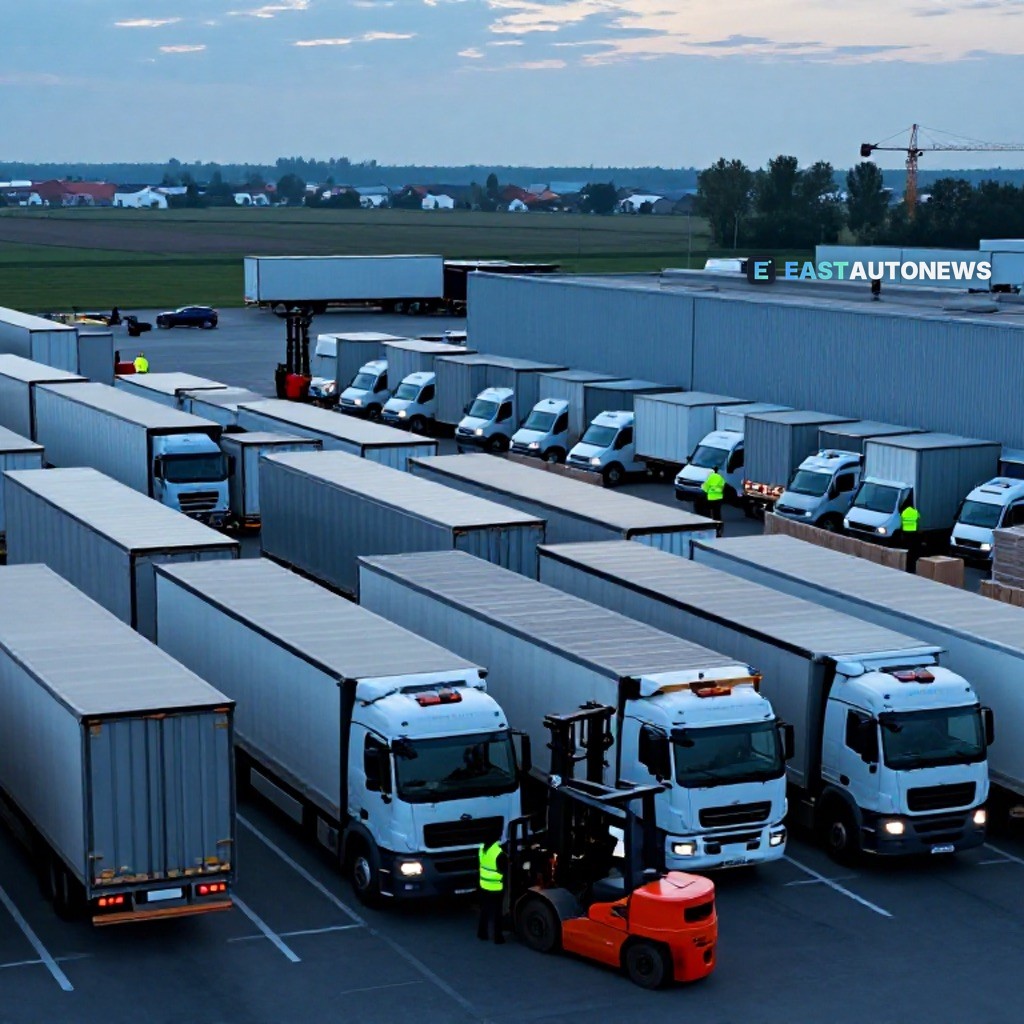
Logistics teams and purchasing departments should therefore check routing contingency plans, confirm vessel itineraries and pre‑book inland capacity where possible. Market participants told industry press they are already weighing alternatives such as increased use of Adriatic and Polish ports, more reliance on rail corridors into Central Europe, and additional buffer stock for critical components — steps that add cost but reduce the risk of production disruption.
Available vehicles now on WorldTrader24 →
Sources: Forwarder News, gCaptain (Reuters)