Türkiye has published an international tender to modernise the 667‑kilometre Divriği–Kars railway — the most capacity‑constrained section of the Trans‑Caspian “Middle Corridor” linking Asia and Europe. The Eastern Türkiye Middle Corridor Railway Development (ETMIC) tender covers design and construction works across three lots, including track renewal, electrification, new signalling and telecommunications. The announcement was reported this week by International Railway Journal and other trade outlets.
Project scope, timetable and financing
The ETMIC tender divides the works into three lots: Lot 1 (Divriği–Erzincan, 156 km), Lot 2 (Erzincan–Erzurum, 223 km) and Lot 3 (Erzurum–Kars, 208 km) with electrification extending some 288 km from Erzurum to the Georgian border. The Kars–Georgia border section was tendered separately earlier with Islamic Development Bank financing. The main tender for the first three sections carries an indicative infrastructure cost of about US$1.34bn; the World Bank and the Asian Infrastructure Investment Bank (AIIB) are providing major financing tranches previously approved for the programme. Bids for the current tender are scheduled to be submitted on 22 December 2026, with construction expected to take around four years.
What this means for the market
Authorities and lenders say the works are designed to transform capacity and performance on the route: by around December 2030 maximum annual freight capacity on the section could rise from roughly 750,000 tonnes today to about 20 million tonnes, while transit times are expected to fall substantially (the World Bank has estimated a drop from c.55 hours to about 22 hours for the Divriği–border leg). That degree of uplift would make the Middle Corridor a materially more attractive option for Asia‑Europe container and rail freight, including components and finished vehicles bound for Central and Eastern Europe.
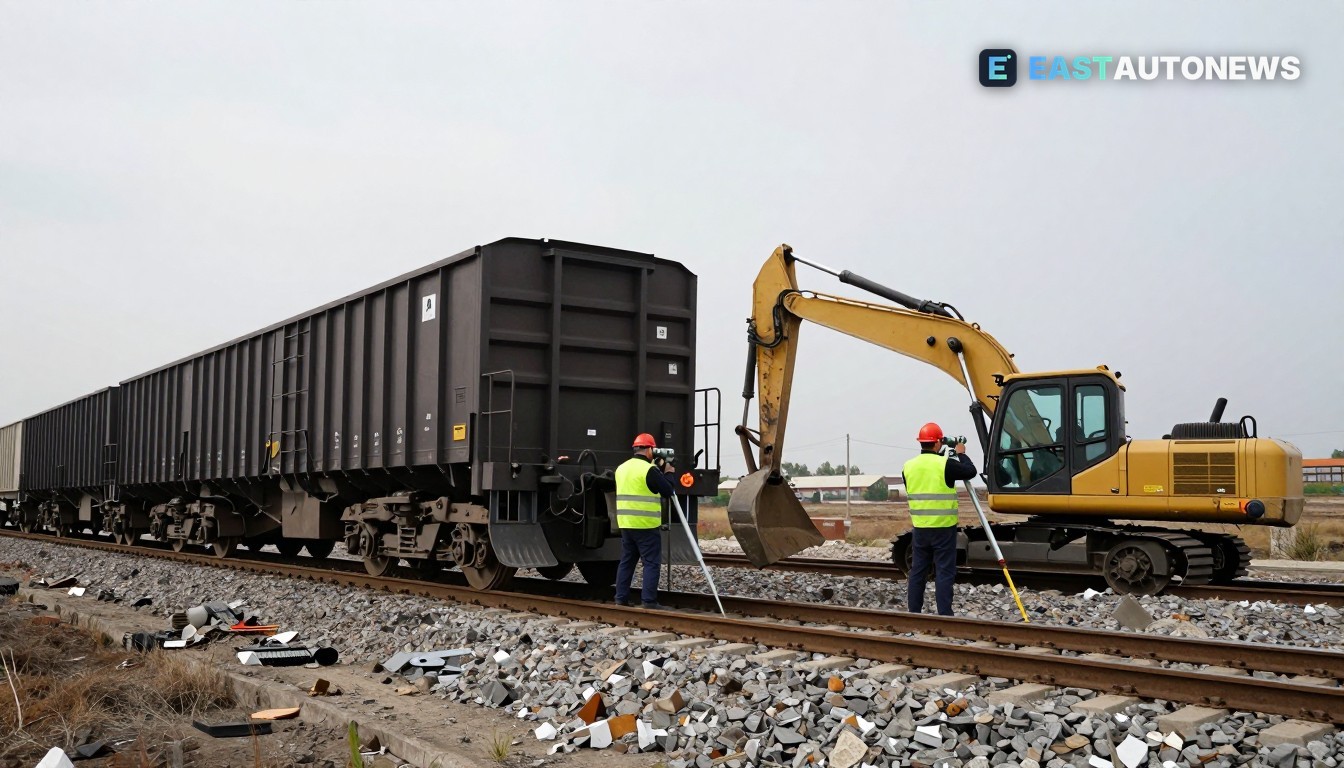
Transport Minister Abdulkadir Uraloğlu told state and trade media that the project will renew substructure and superstructure, add electrification and signalling, and strengthen east–west rail links — emphasising the scheme’s role in boosting corridor capacity and reliability. Contractors will be required to deliver design and build services under international procurement rules.
For CEE carmakers and suppliers, an upgraded Middle Corridor offers a strategic hinterland alternative to Black Sea and Mediterranean shipping lanes and to congested northern European ports. Faster, higher‑capacity rail could lower transit risk for time‑sensitive parts and provide a complementary route for finished‑vehicle flows from Asia, especially if combined with improved port and transhipment links in the South Caucasus and Türkiye. However, final freight volumes will depend on the performance of the rest of the corridor, shipper decisions and commercial pricing once the upgrades are in service.
WorldTrader24 B2B vehicle marketplace for dealers →
Sources: International Railway Journal, TrasportoEuropa