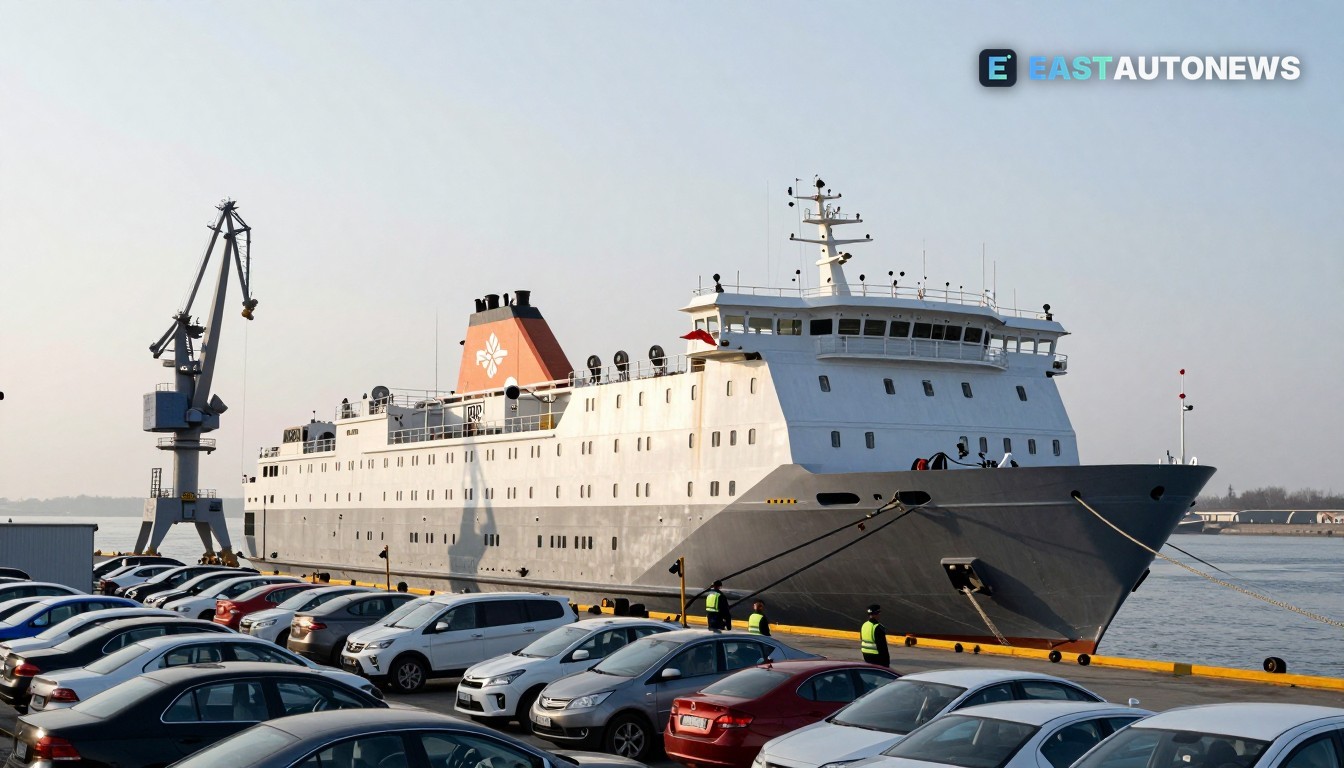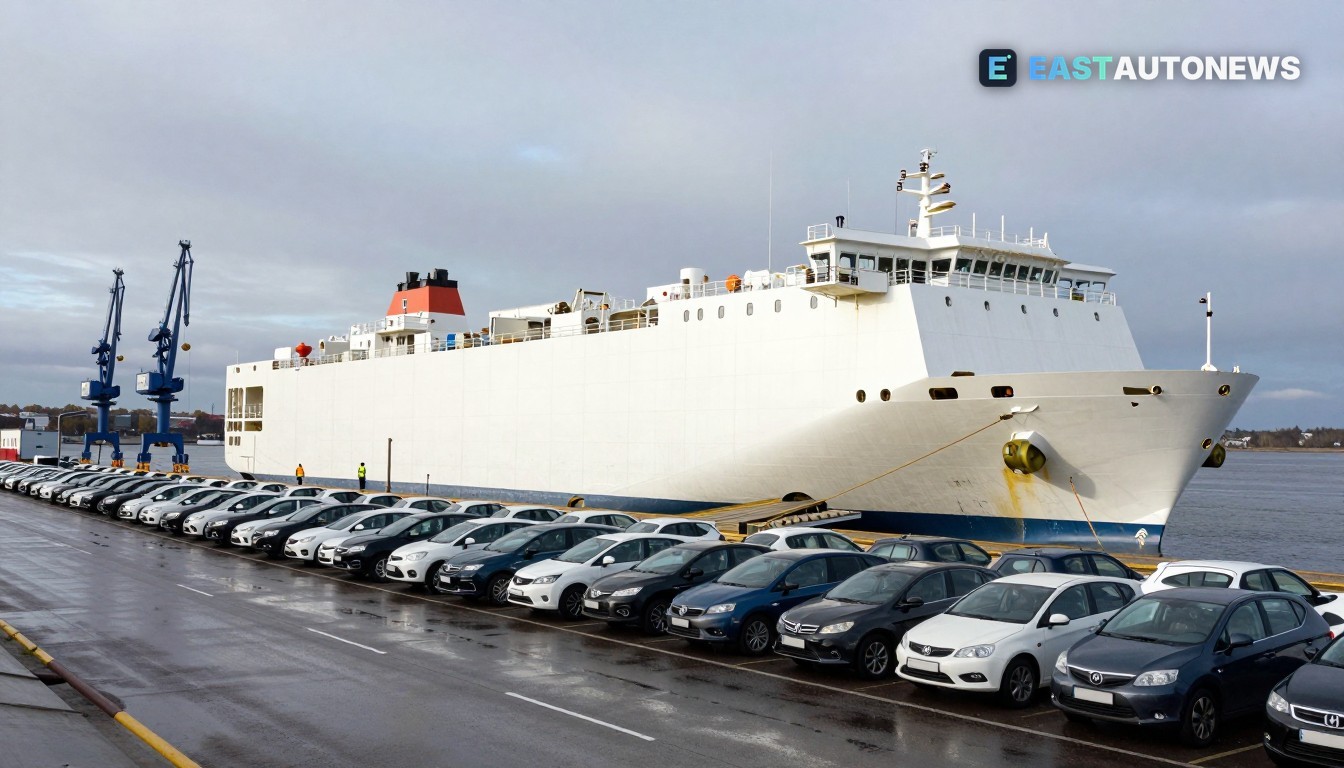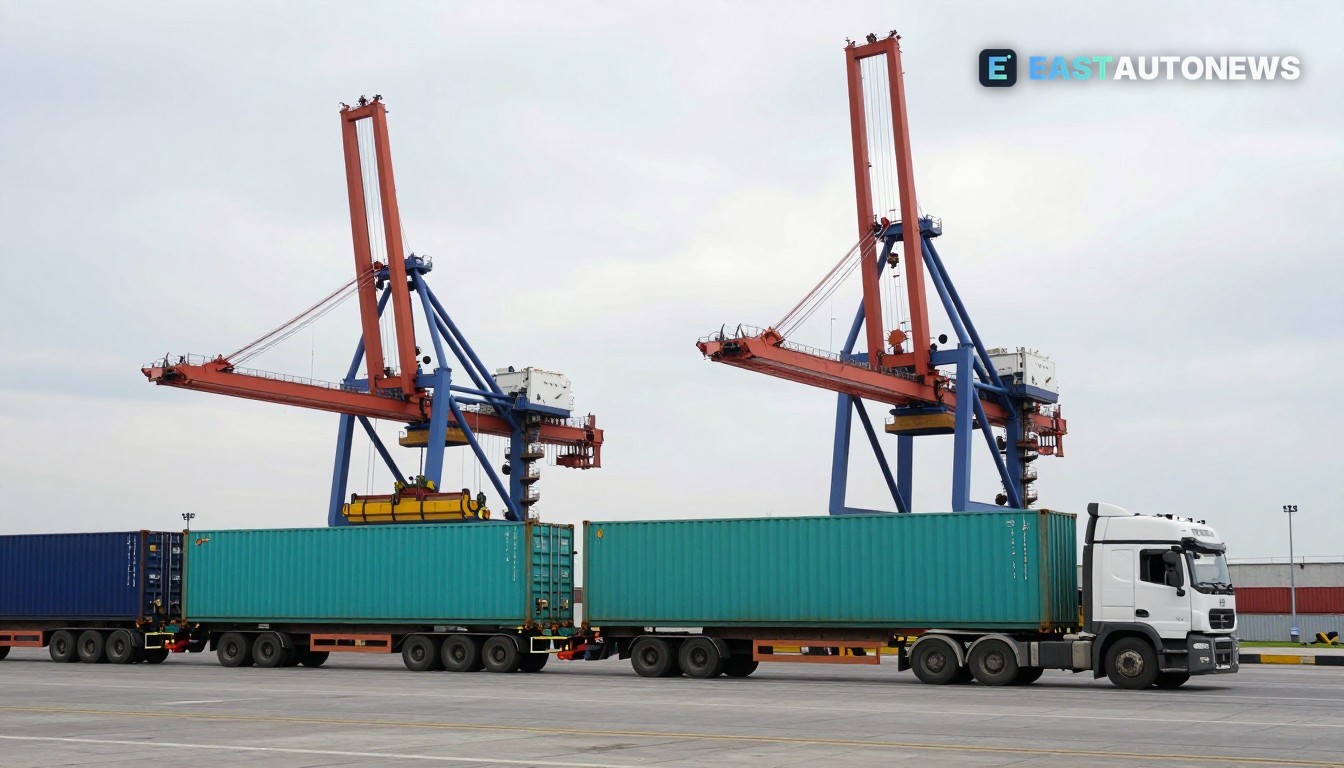
The Port of Constanța has stepped up public messaging this week that it can become a primary European gateway for Asian goods as the Trans‑Caspian “Middle Corridor” grows in importance, a move with clear implications for automotive parts and finished‑vehicle logistics across Central and Eastern Europe.
What was announced
On 6 November 2026 the business daily Ziarul Financiar reported remarks from Mihai Teodorescu, director general of the state port authority, saying the Middle Corridor’s development opens “multiple economic opportunities” for Constanța and gives the port the potential to attract additional cargo flows from China, Kazakhstan, Uzbekistan and Azerbaijan. Teodorescu warned that seizing that chance requires sustained investment in rail links and digital logistics systems.
ZF published port throughput figures showing total cargo handled at Constanța fell to 67.0 million tonnes in the most recent year, down from 77.5 million tonnes the year before and well below the record 92.6 million tonnes handled in 2023, underlining both volatility and spare handling capacity at the Romanian hub.
Investment needs and planning
International institutions back the scale of the task: a World Bank technical note cited by reporting estimates roughly US$25 billion is needed for physical infrastructure along the Eurasian route plus about US$30 billion for complementary investments through 2040 — a combined figure often quoted as “over US$55 billion” for corridor development and support projects. The Bank’s wider Romania port programme also lists multi‑hundred‑million euro projects for quay construction, rail connectivity and IT systems at Constanța.
Port managers argue that improved rail and digital links would let Constanța serve distribution hubs in Central and Eastern Europe more efficiently than longer ocean routes or northern rail corridors, shortening lead times for Asian‑sourced components and enabling larger, more reliable container volumes into regional manufacturing clusters.
What this means for the market
For carmakers and suppliers in CEE, a functioning Middle Corridor routed into Constanța would diversify and shorten supply chains for parts now shipped via northern routes or long maritime legs. That matters for time‑sensitive components (electronics, semiconductors, wiring harnesses) and for manufacturers seeking lower logistics costs or alternative routing to reduce geopolitical risk. If the port achieves the described rail upgrades and digital systems, logistics planners could reconfigure inbound flows — increasing the attractiveness of Romania and nearby hubs as consolidation and distribution centres for regional production.
However, the scale of required investment — and the need to translate political intent into delivered rail capacity, quays and port IT — means benefits are conditional and will arrive over years rather than months. Practically, automotive logistics teams should monitor rail slot availability, inland‑haul options and port community system rollouts when planning 2027–2029 sourcing and inventory strategies.
WorldTrader24 B2B vehicle marketplace for dealers →
Sources: Ziarul Financiar, World Bank