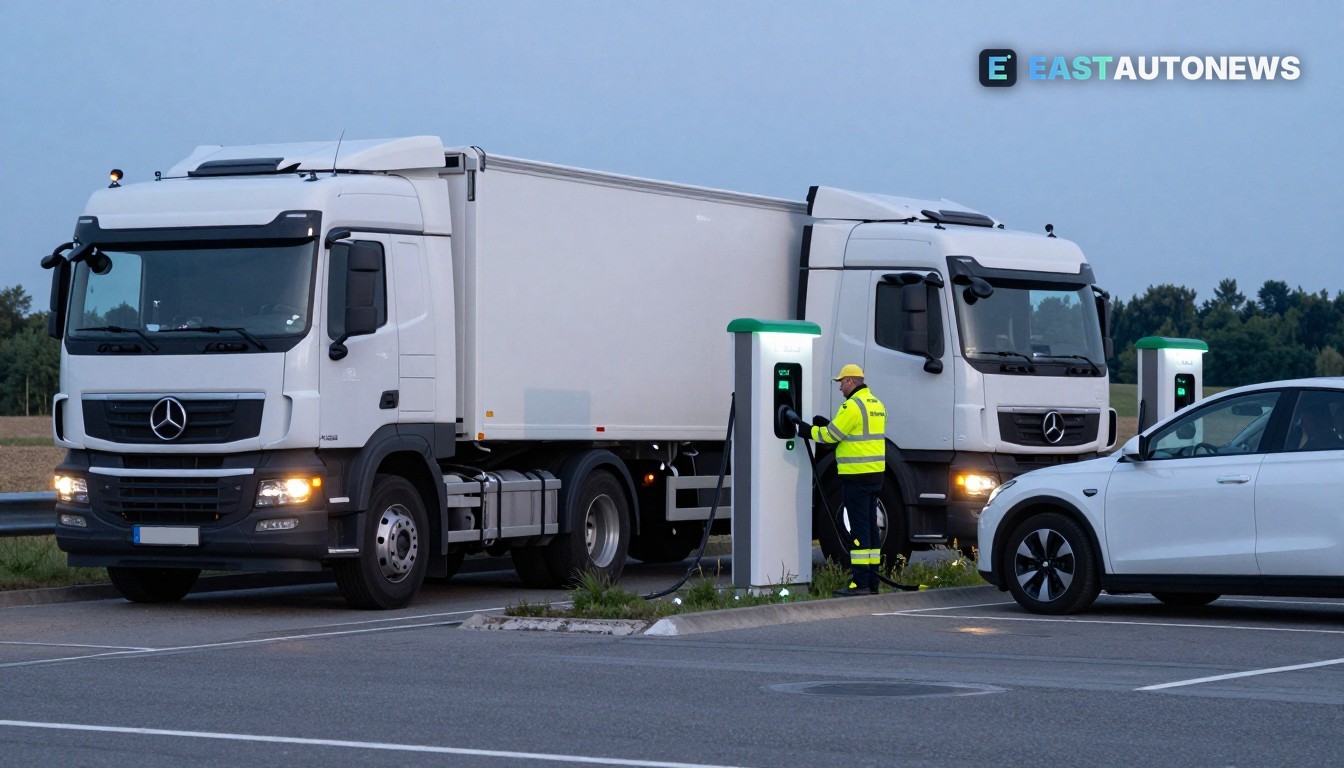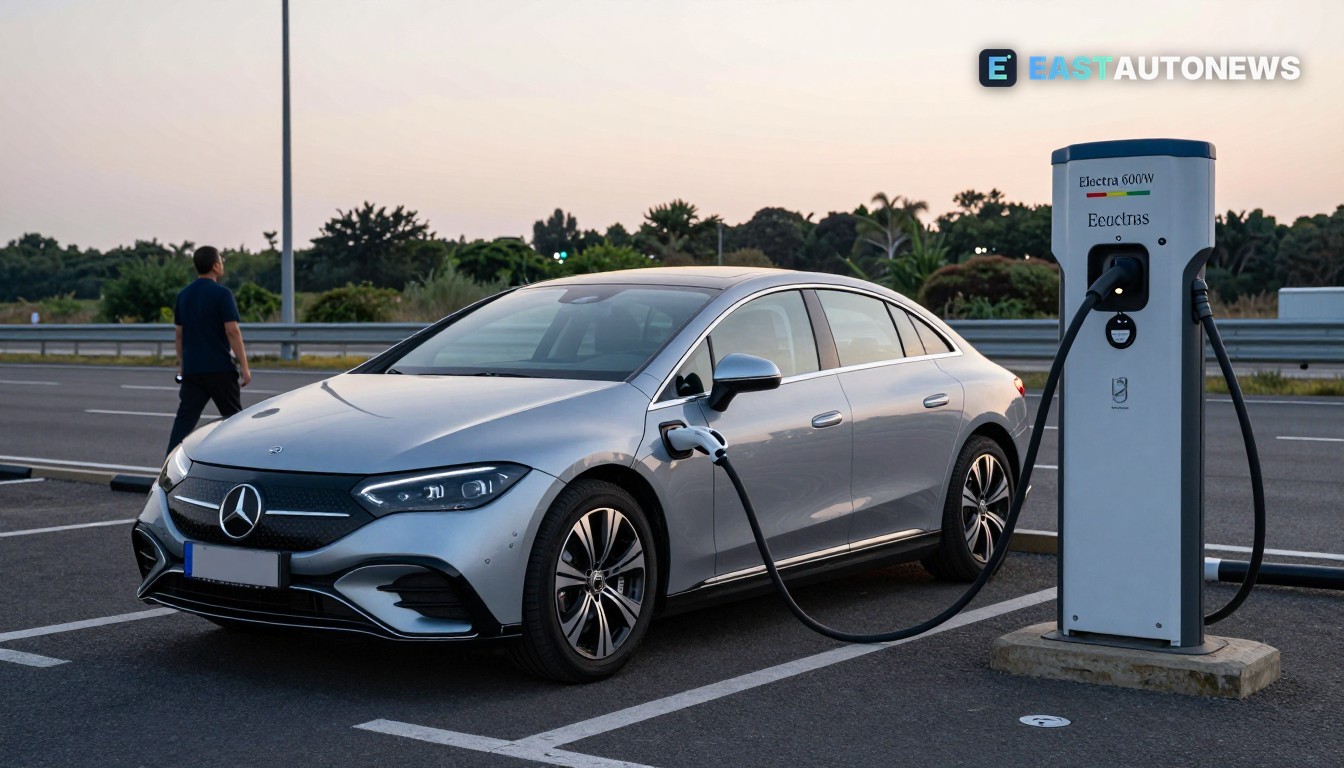
Mercedes‑Benz has moved its European high‑power charging hubs into the Electra network, effective 1 November 2026. The deal brings all 47 Mercedes‑built High‑Power Charging Hubs — a portfolio of 374 charge points, including 31 locations in Germany and six in Austria — under Electra’s operation while retaining integrated access for MB.CHARGE Public customers.
What the agreement includes
Electra’s announcement says MB.CHARGE Public customers will gain streamlined access to Electra’s more than 800 stations and roughly 5,000 charge points across ten European countries, with the option to reserve compatible points from the vehicle and benefit from preferential tariff conditions depending on the customer’s MB.CHARGE plan. Electra also highlighted network availability above 98.5% and charging power of up to 600 kW at selected sites.
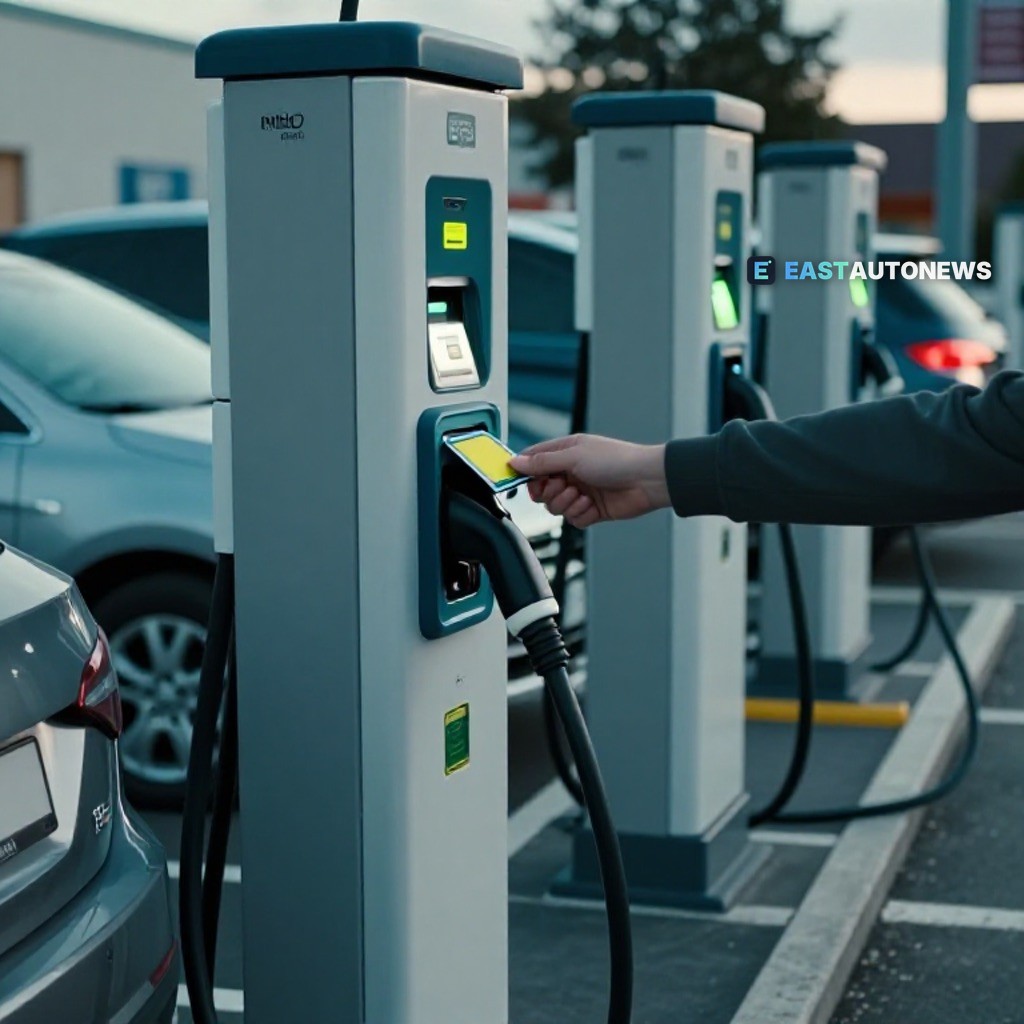
Practical changes are limited at launch: Mercedes customers can continue to start sessions using the Mercedes‑Benz app, MB.CHARGE Public card or Plug & Charge, while Electra will operate billing and station management. Electra’s help pages note local tariff examples (Electra app price €0.54/kWh, €0.69/kWh by bank card at terminals) and confirm the integration took effect on 1 November 2026.
Why Mercedes outsourced operations
The move follows a strategic shift by Mercedes‑Benz away from direct operation of a pan‑European public charging business; law firm Eversheds Sutherland announced it advised Mercedes‑Benz on the partnership. Industry reporting described the transfer as effectively ending Mercedes’ role as an independent European charge‑point operator and rebranding the collection of hubs as part of Electra’s premium roaming network.
What this means for the market
The integration tightens consolidation in Europe’s high‑power charging market and immediately expands Electra’s footprint in key central‑European corridors by adding Mercedes’ hubs. For OEMs, the deal underlines a trend away from vertically running public charging businesses toward partnerships with specialised operators who can scale network operations and offer unified digital access in multiple markets. Electra called the partnership “a milestone” and said it plans further investment — including a €200m commitment in Germany next year — to expand capacity.
Drivers in and passing through Central and Eastern Europe should see limited friction in the short term: MB.CHARGE users keep in‑car reservation and authentication, while Electra’s roaming opens Mercedes customers to a larger pool of high‑power stations across ten countries. However, tariff harmonisation and local payment options may change depending on how MB.CHARGE and Electra apply preferential pricing across different national markets.
Mercedes-Benz electric vehicles on WorldTrader24 →
Sources: Electra, Mercedes‑Benz, Eversheds Sutherland