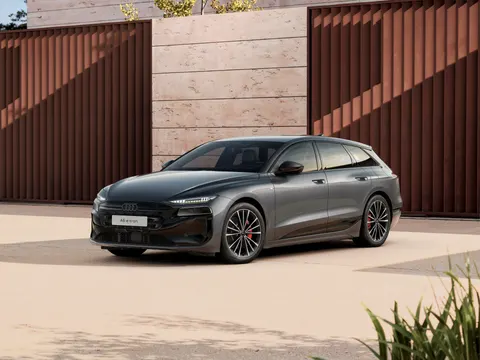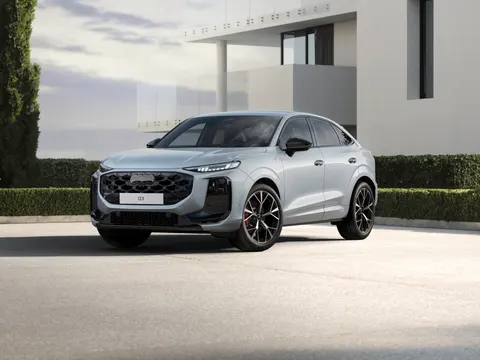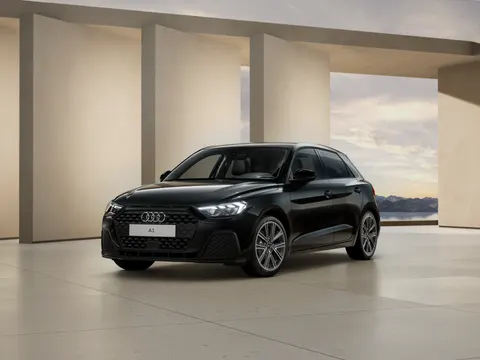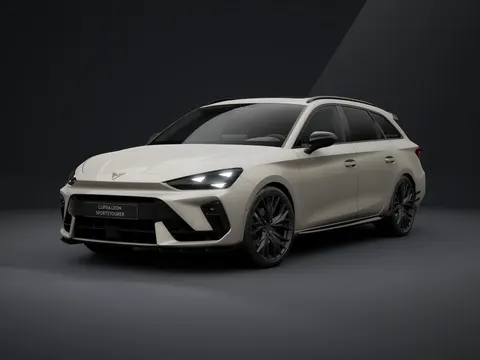
Europe's two biggest policy tracks on the combustion engine are heading in opposite directions. MEPs from the European Parliament's Environment Committee (ENVI) want to lower the CO2 emissions goal, cutting the target to 87.5 percent for all new cars from 2030 — a step at which the EU is backing proposals to water down its own climate rules for cars. The UK, by contrast, has made its position clear: the Labour government has confirmed that no new petrol or diesel cars will be sold after 2030, and that all new cars and vans must be 100 percent zero emission by 2035.
The softening arrives at a low ebb for the industry. The German automotive sector is losing hundreds of jobs, and politicians have begun openly criticising CEOs — Audi's among them — for investing outside Germany. For the supplier base and assembly plants of Central and Eastern Europe, which sit largely inside German-led production networks, the fight over targets in Brussels and Berlin is anything but abstract: looser CO2 rules could buy carmakers breathing room, but they do nothing on their own to fix the cost and demand problems behind the job losses.
Behind the target debate sits competitive anxiety about China. During the 2019-2024 period, large European groups focused their efforts on the segment of expensive, large-sized electric cars, trying to compete with the Tesla Model S, Model X and Model 3 — leaving the affordable end of the market thinly covered. One answer now being pushed in the European debate is the retro-electric: budget-friendly models billed as the continent's secret weapon to curb the invasion of Chinese electric cars.
Trade policy is moving on a parallel track. Under EU taxation policy, vehicles manufactured outside Europe — and those assembled in Europe by non-European automakers — form a distinct category, and the EU considers not only where a vehicle is produced when it draws the lines. The signal for non-European brands building inside the bloc is that local assembly is only part of the assessment.
For buyers and dealers across Eastern Europe, the regulatory fog cuts both ways. It keeps combustion models on the menu for longer while pushing carmakers to close the affordable-EV gap faster — and it makes comparing prices across powertrains, and timing a purchase wisely, more valuable than ever while the rulebook is being rewritten.
Readers weighing whether to buy now or wait for the dust to settle can compare both worlds in one place: sensational cars at sensational conditions are waiting at WorldTrader24, Europe's marketplace with over 70,000 vehicles. A quick search shows what the shifting targets mean at the sticker level — for petrol, diesel and electrified models alike.