The European Union’s 2026 battery and electric‑vehicle rule package tightens where cells, key components and recycled content must come from and imposes new waste and carbon‑footprint controls — measures that will alter the economics for Romania’s large assemblers and government policy choices.
What the rules require
The EU’s 2026 impact assessment and related communications set out a phased “Made in EU” approach for batteries: for electric‑vehicle batteries the Commission foresees mandatory minimums — at least four main components, including the battery cell, one year after entry into force and rising to six components (including the battery management system and cell active material) after three years. These requirements are intended to be attached to public procurement and support schemes.
Alongside content requirements, EU actions in 2026 include stricter recycled‑content and carbon‑footprint delegated acts (timetabled for August 2026) and tighter end‑of‑life rules: the Commission’s Battery Booster communication notes that, as decided in March 2025, waste lithium‑ion batteries and recovered "black mass" will be classified as hazardous waste from December 2026, with exports outside the OECD prohibited. The Commission also launched a Battery Booster Facility (interest‑free loans) to finance cell projects in the EEA.
Romania’s immediate exposure and government levers
Romania is a major automotive assembly base (the sector accounts for more than 13% of GDP and about one‑third of exports, according to industry figures cited by Ziarul Financiar), but it has so far attracted limited battery‑cell or large‑scale CAM/BMS manufacturing compared with neighbours such as Poland or Hungary. That structural gap matters because the new EU content and sustainability criteria will favour vehicles with a deeper domestic or EU‑based battery supply chain.
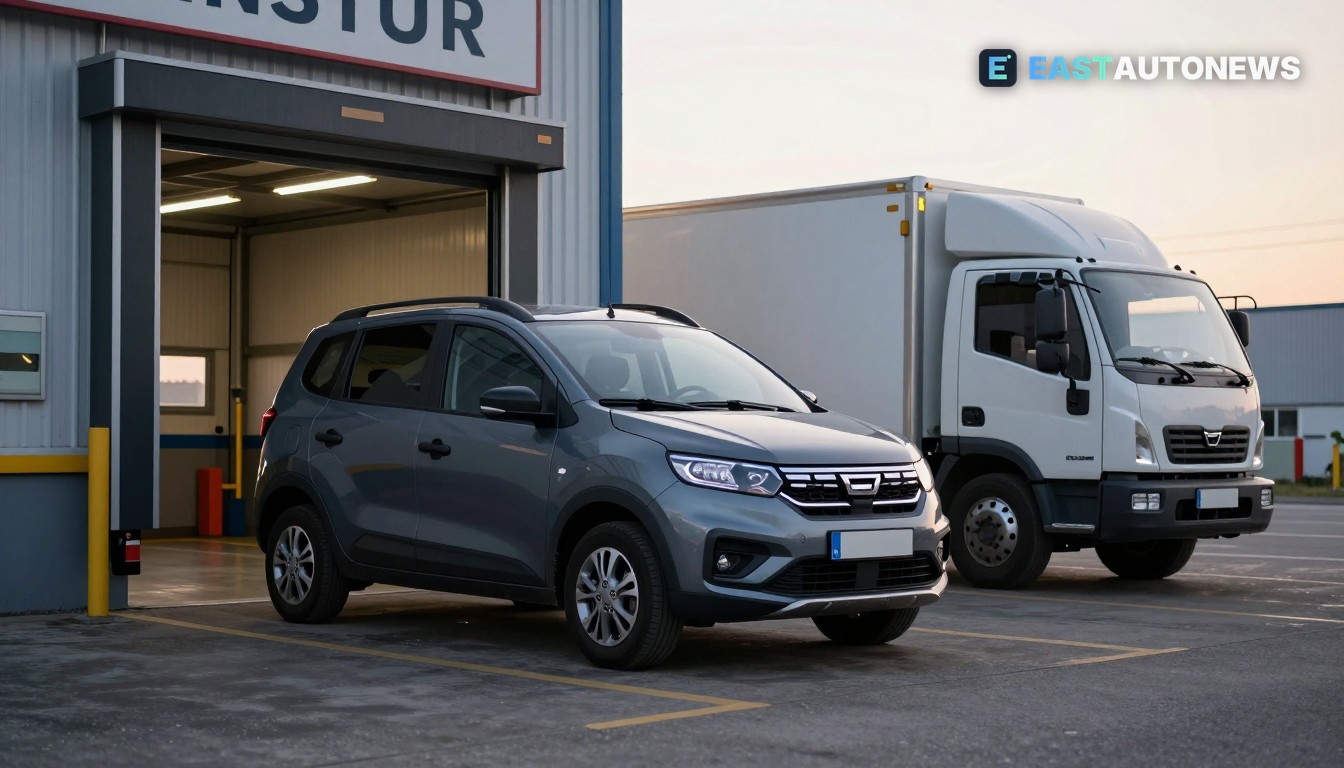
Dacia — Romania’s largest automotive employer — has signalled the competitiveness pressures clearly. At a September 2026 roundtable Dacia’s country head Mihai Bordeanu warned that Mioveni production will fall in 2026 and said about 1,700 employees left the plant between mid‑2025 and August 2026; he also flagged industrial electricity at roughly €180/MWh at the plant versus €70–80/MWh in Spain as a competitiveness constraint. Dacia has put new‑model investment on hold until policy clarity on energy and competitiveness is delivered.
What this means for the market
For Romanian assemblers that import cells or buy packs from third countries, the immediate commercial impact is twofold: (1) access to some forms of EU public support or preferential treatment under Net‑Zero/Industrial Accelerator rules will increasingly be conditional on local/EU components and sustainability scores; and (2) the reclassification of black mass as hazardous from December 2026 will raise domestic recycling and logistics costs while blocking exports to many non‑OECD refiners. Together, those shifts increase the advantage for manufacturers that can secure EU‑based cell or CAM/BMS partnerships — and they raise the urgency for Romania to attract investment into upstream battery activities or secure long‑term supply agreements.
Policymakers in Bucharest already have signalled some responses: the government is offering tax changes and investment incentives (for example, the removal of the minimum turnover tax from 1 January and accelerated depreciation for new assets introduced in 2026) and has opened discussions with carmakers on energy and industrial costs. To capitalise on EU funding windows such as the Battery Booster Facility (set up in 2026) and other NZIA‑linked support, Romania must align permit‑making, electricity pricing and state‑aid packaging to meet Commission conditionality.
That alignment will be decisive: without clearer, cheaper industrial electricity and targeted offers to cell, CAM/BMS and recycling projects, Romania risks remaining an assembly and engineering hub while missing higher‑value upstream investment that the new EU rules favour. Conversely, rapid moves to lower industrial energy costs, streamline permitting and bid for Battery Booster or IPCEI aid could attract strategic partners seeking EEA locations that satisfy the new Made‑in‑EU thresholds.
Sources: European Commission, Ziarul Financiar