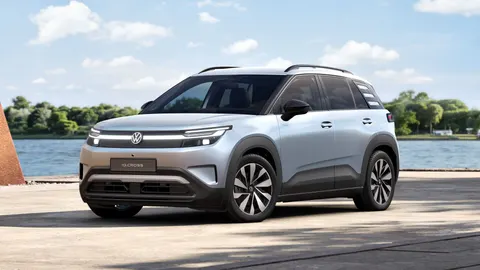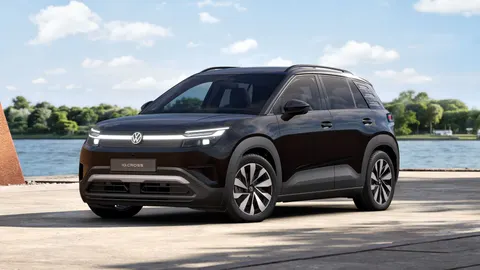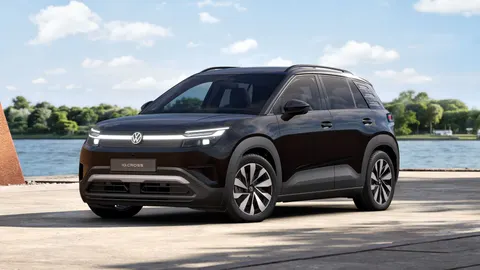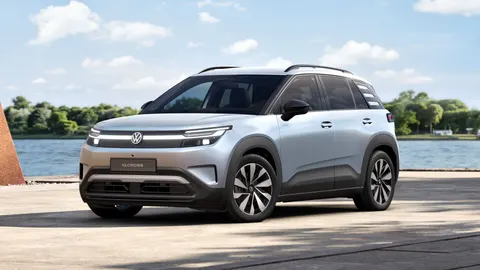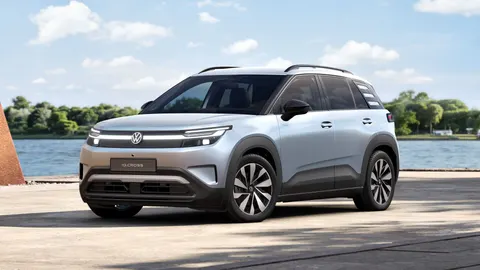
In 1996, a new assembly plant in the Czech Republic began building the car that would redefine a nation's industry: the Octavia, the first Škoda to ride on a Volkswagen Group platform. It followed the Felicia of 1994, and with both models came waves of investment in Czech factories. Thirty years on, the question that integration raised — what, exactly, makes a car "European"? — has moved from the engineering drawing board to the heart of EU industrial policy, and this time access to subsidies hangs on the answer.
The EU's 'Made in Europe' plan, pushed hard by Germany and France, has unnerved global auto suppliers and raised cost and competitiveness concerns far beyond Europe's borders. Its logic is blunt: cars imported from Japan would not qualify for EU subsidies, while models built in France, Portugal and Eastern Europe would benefit only if enough of their parts come from Europe. For the Czech Republic, whose automotive identity rests on being the region's great "built in Eastern Europe" success story, that parts threshold is not a technicality. It is the whole game.
Czech auto manufacturing was engineered for cross-border integration from the start. The Octavia set the template — a VW Group platform under Czech steel — and the supply chains that grew around it stretch across the continent. That heritage now cuts both ways. If the bill of materials is predominantly European, Czech-built models stand among the plan's natural winners; if global sourcing runs too deep, location alone will not unlock a single euro of support.