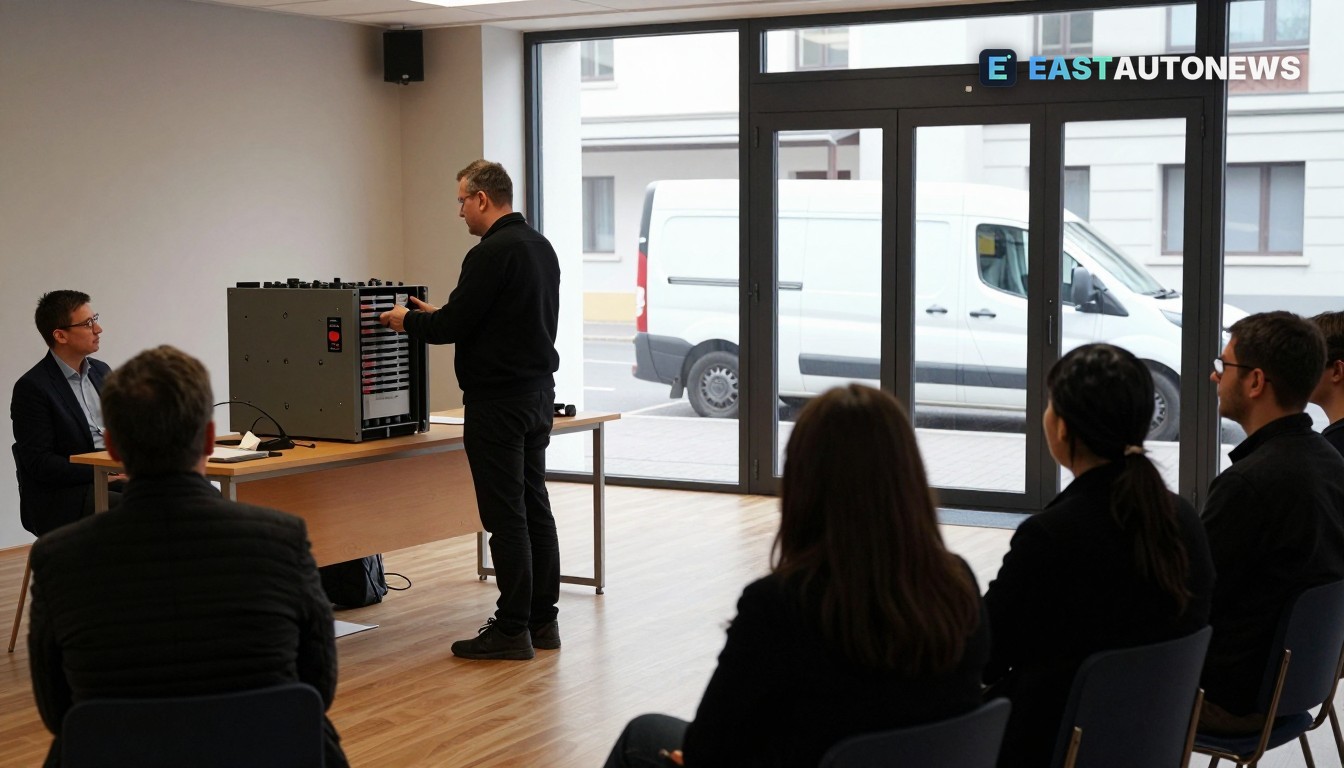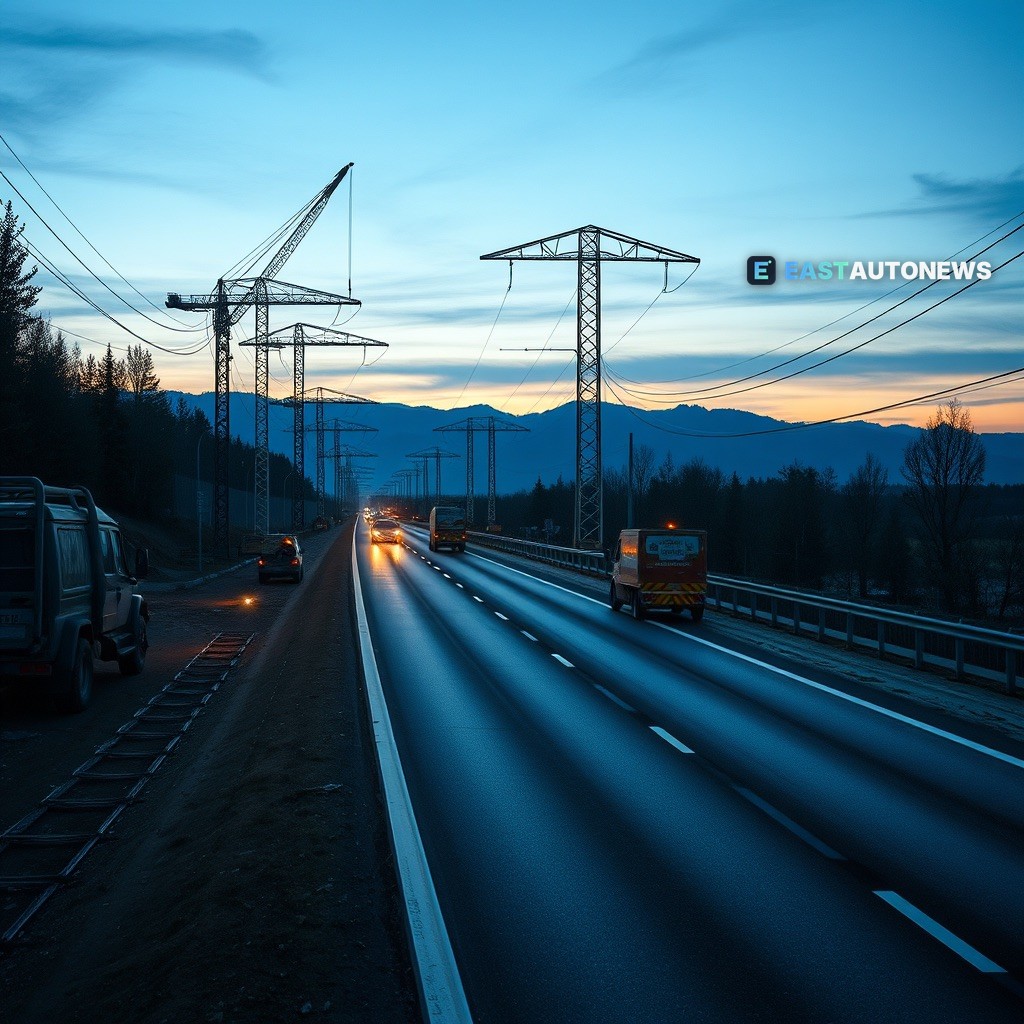
When BYD's top brass came to Bucharest to spell out the company's plans for Romania, the subtext was as striking as the headline: the Chinese giant that has upended Europe's electric-car market no longer regards the country as merely a place to move metal. Announcing the strategy in the Romanian capital, BYD executive Stella Li confirmed that the automaker intends to invest in the country's electric charging infrastructure — including the installation of 10 to 20 ultra-fast charging stations.
The scale of the commitment is anything but symbolic. Forbes Romania reports that BYD is preparing investments worth hundreds of millions of dollars in Romanian infrastructure, extending its stake in the country well beyond automobile sales. The build-out arrives as the company accelerates its expansion across Europe, and it signals a willingness to finance the very ecosystem its cars depend on rather than wait for third-party charging operators to catch up.
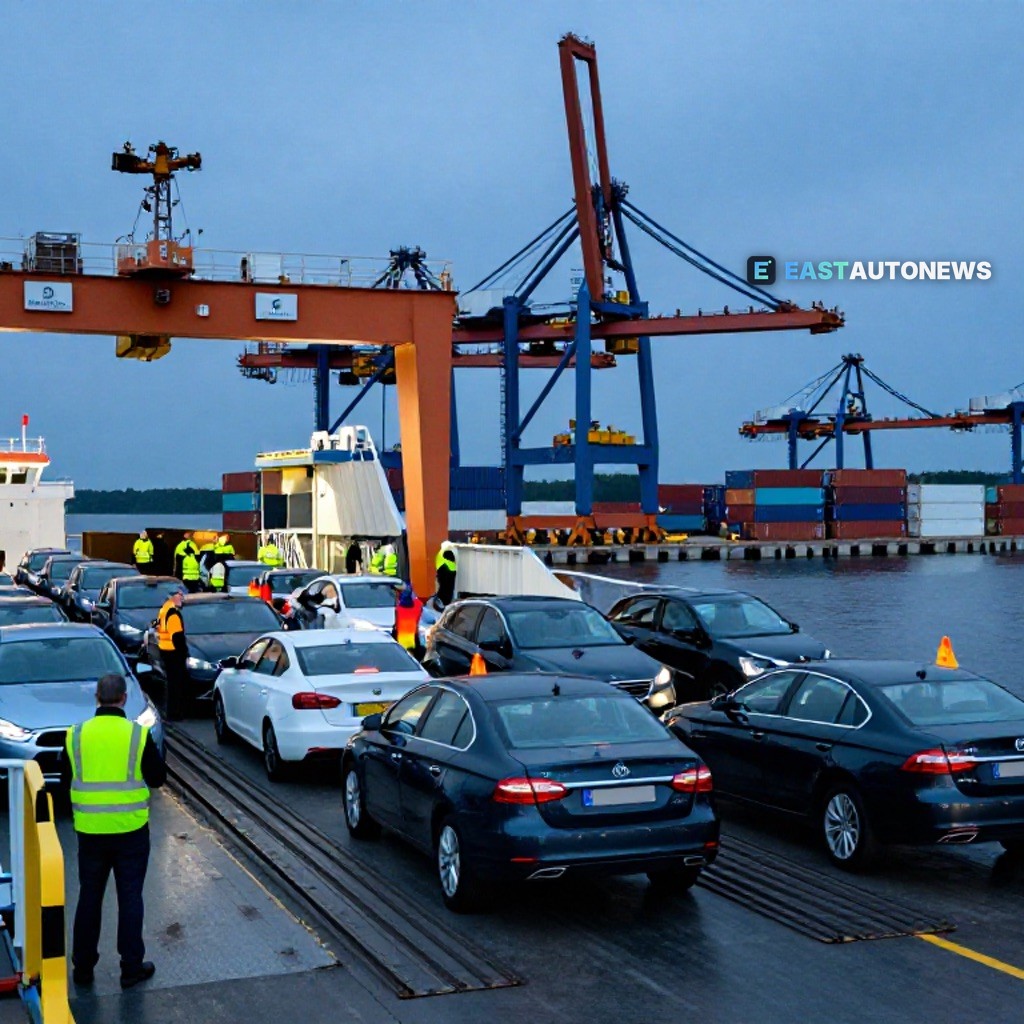
Geography explains much of the logic. The Romanian play is closely connected to BYD's factory in neighbouring Hungary, anchoring the charging network within reach of the company's own Central European production footprint. Local media have framed the moment bluntly: investors are finally 'starting to understand the great advantages of Romania'.
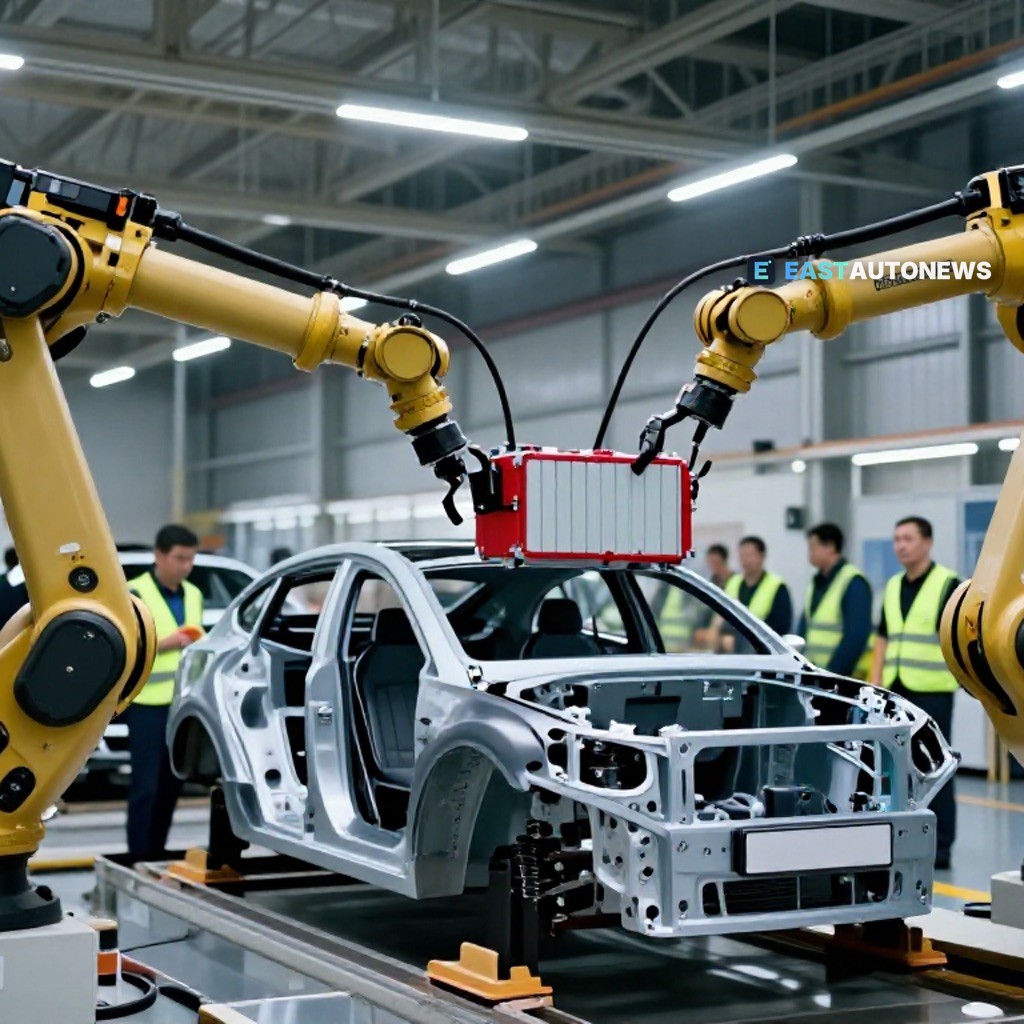
Those advantages rest on an industrial tradition that long predates the electric era. Romania's manufacturing base is anchored by domestic producers such as Dacia, Roman Brașov and Igero, while Ford bought the former Daewoo Romania company for €57 million to build its own vehicles in the country. An automaker that pours its own capital into chargers is, in effect, saying that infrastructure — not demand — is the bottleneck holding the market back.
For the wider industry, the ripples spread fast. An automaker-backed ultra-fast network could pull fleet operators and company-car buyers toward electric drivetrains, pressure rival manufacturers and charging operators to answer in kind, and hand energy companies and site owners along key transit corridors a new category of tenant and partner. In a country whose automotive story has been written on Dacia's assembly lines, the next chapter may be drafted in kilowatts.
For all the promise of new charging corridors, every switch to electric still begins with the right vehicle on the right terms. Readers looking for a car — electric or otherwise — can find sensational cars at sensational conditions at WorldTrader24, Europe's marketplace with over 70,000 vehicles.