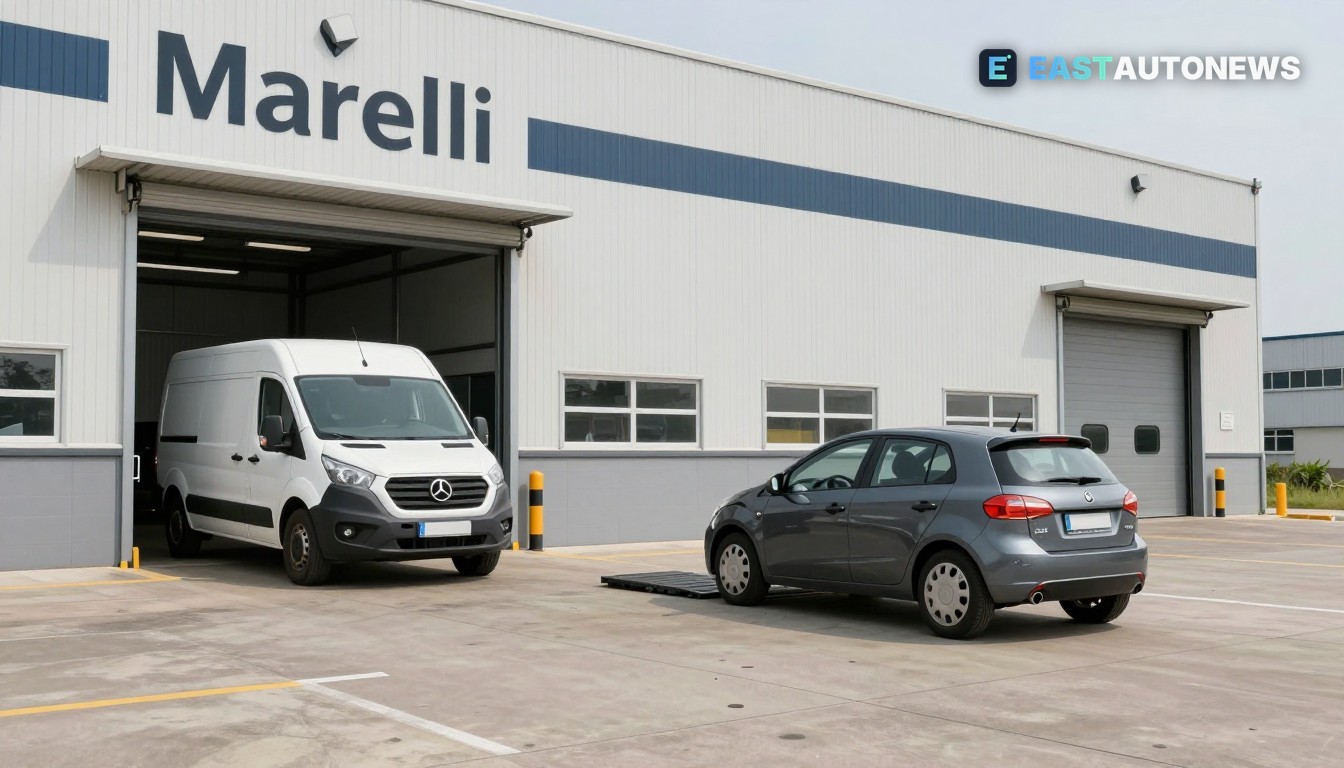
In Slovenia's component plants, the question of the season has changed. It is no longer 'where is this car assembled?' but 'where is everything inside it made?' The EU's 'Made in Europe' plan, championed by Germany and France, is unnerving global auto suppliers — and it is quietly redrawing the map of advantage across Eastern Europe. For a small, export-driven supplier economy like Slovenia, the stakes could hardly be more direct.
The mechanics of the plan are blunt. Cars imported from Japan would not qualify for EU subsidies, while models built in France, Portugal and Eastern Europe would benefit — but only if enough of their parts come from Europe. That single conditional clause turns every component invoice into a strategic document. Assembly location is no longer enough; content is the new currency.
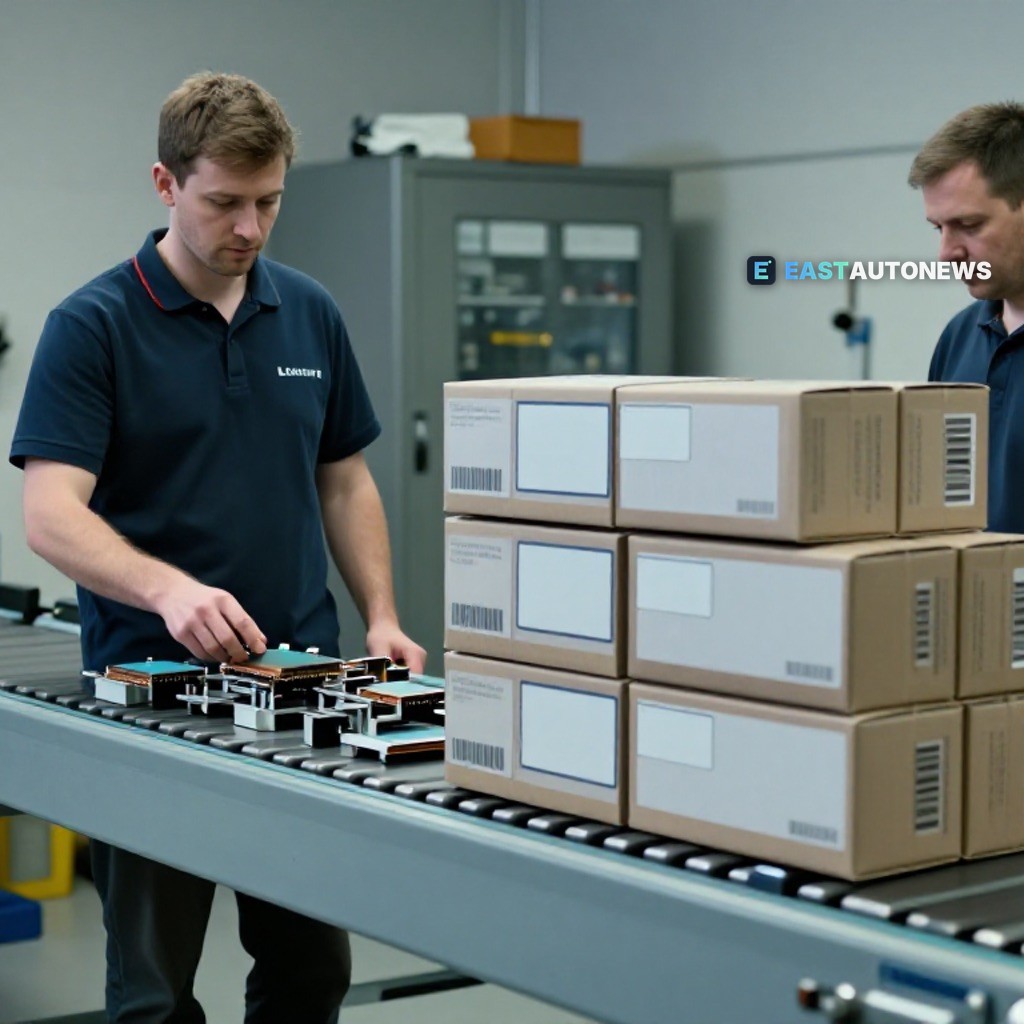
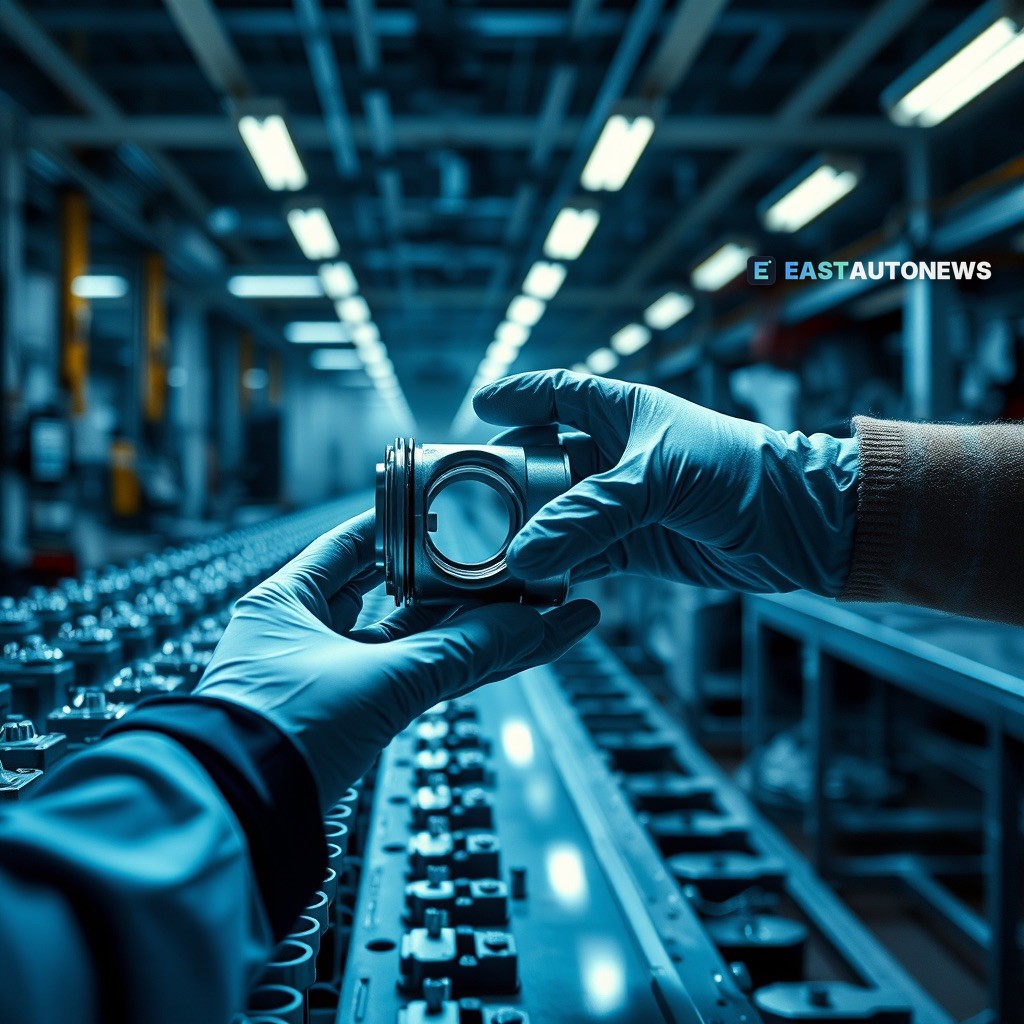
This is precisely where Slovenia enters the frame. The country's automotive industry has long earned its keep supplying Europe's carmakers, with components flowing into assembly plants across the continent. If manufacturers building in Eastern Europe must now prove that enough of their parts come from Europe to unlock subsidies, then Slovenian-made components — produced inside the EU — count toward the target. A part sourced in Slovenia suddenly carries a value beyond its price tag.
Not everyone is celebrating. The same plan that favours European content raises costs and competitiveness concerns among global auto suppliers, and their unease is palpable. Multinational component makers with production in the region now face a pointed question: are their parts European enough? Redrawing sourcing maps to satisfy Brussels will not come cheap — and the suppliers best placed to absorb the shift are those already rooted inside the bloc.
For Slovenia, the opportunity is unusually concrete. The 'Made in Europe' logic channels sourcing decisions toward exactly the kind of tight, European supply base on which the country has built its automotive reputation. Much depends on the small print — what counts as 'enough' European content, and how strictly it is enforced — but the direction of travel is clear. In the subsidy calculus now taking shape, a Slovenian-made part is set to be worth more than an identical component shipped in from outside.
Where a car is built — and what goes into it — will shape Europe's showrooms for years to come. Buyers who simply want their next vehicle today can find sensational cars at sensational conditions at WorldTrader24, Europe's marketplace with over 70,000 vehicles.