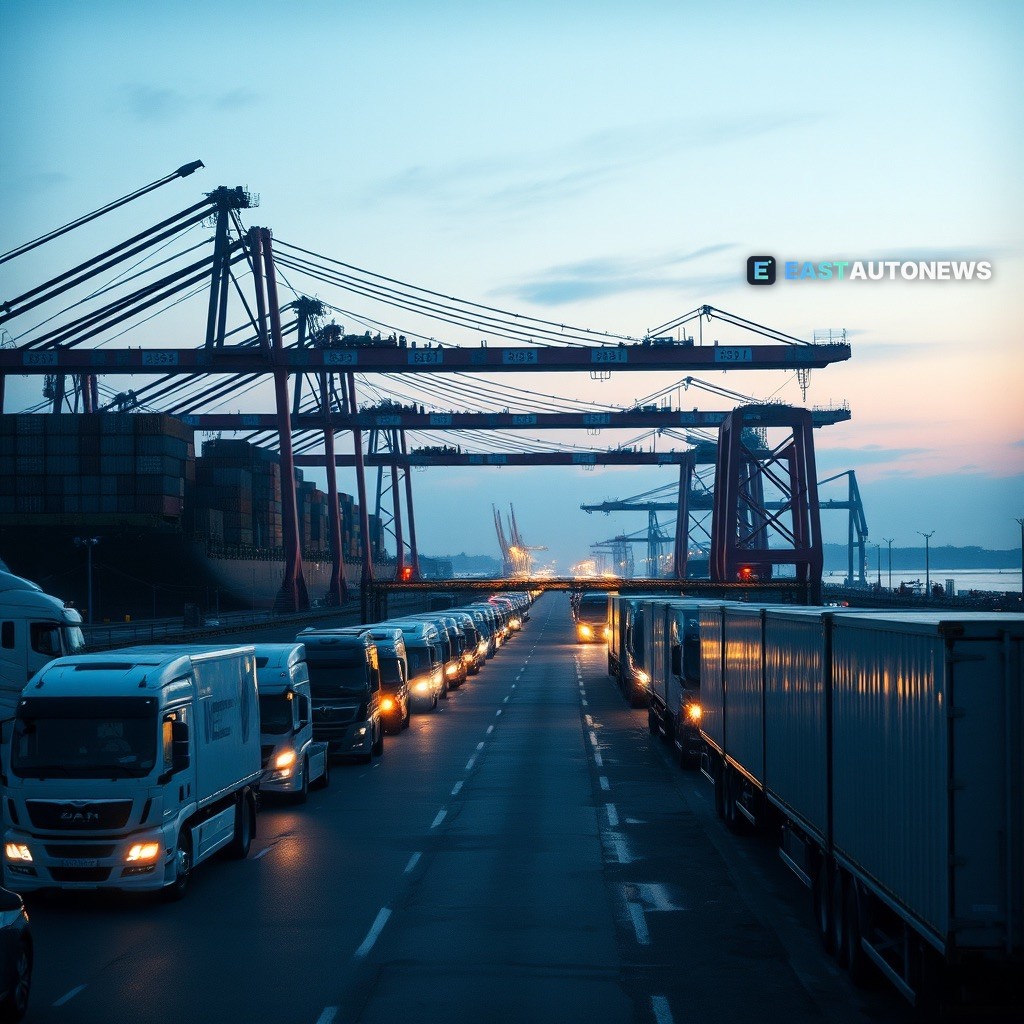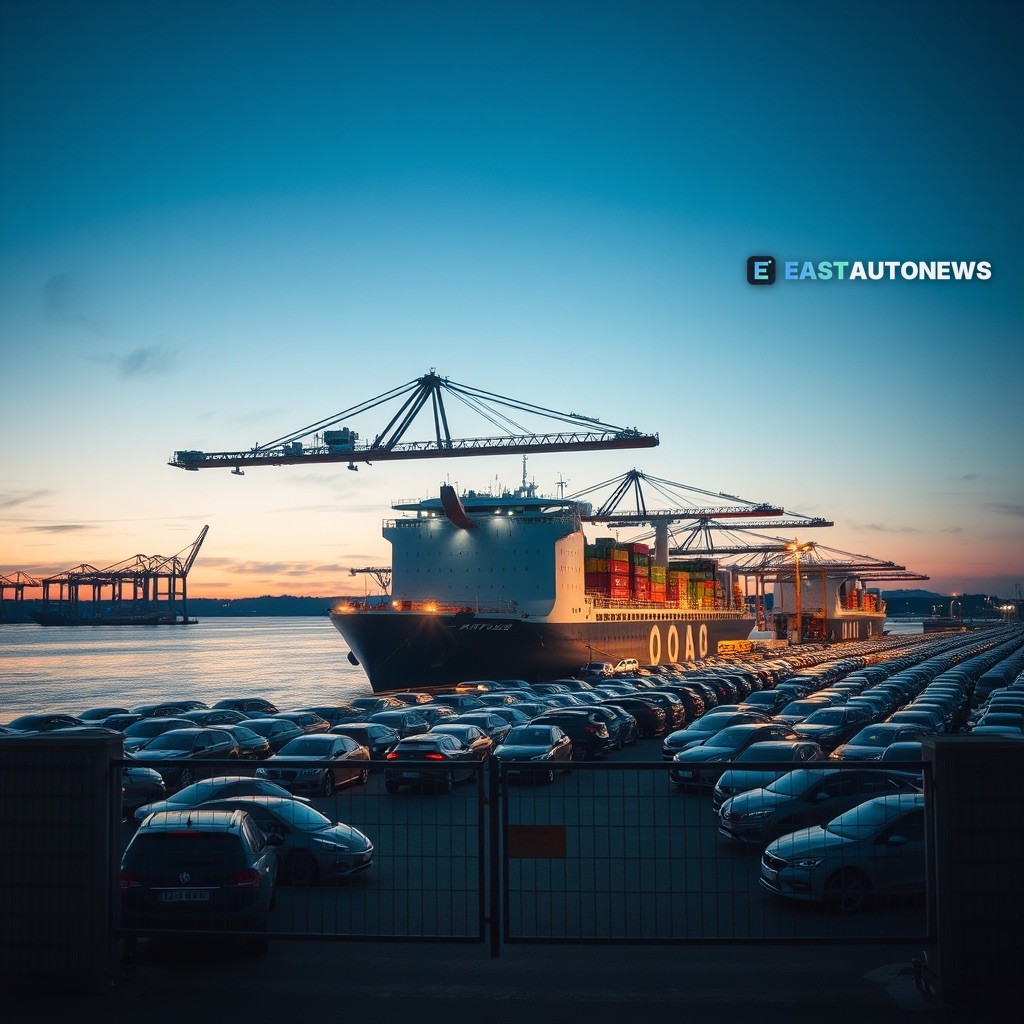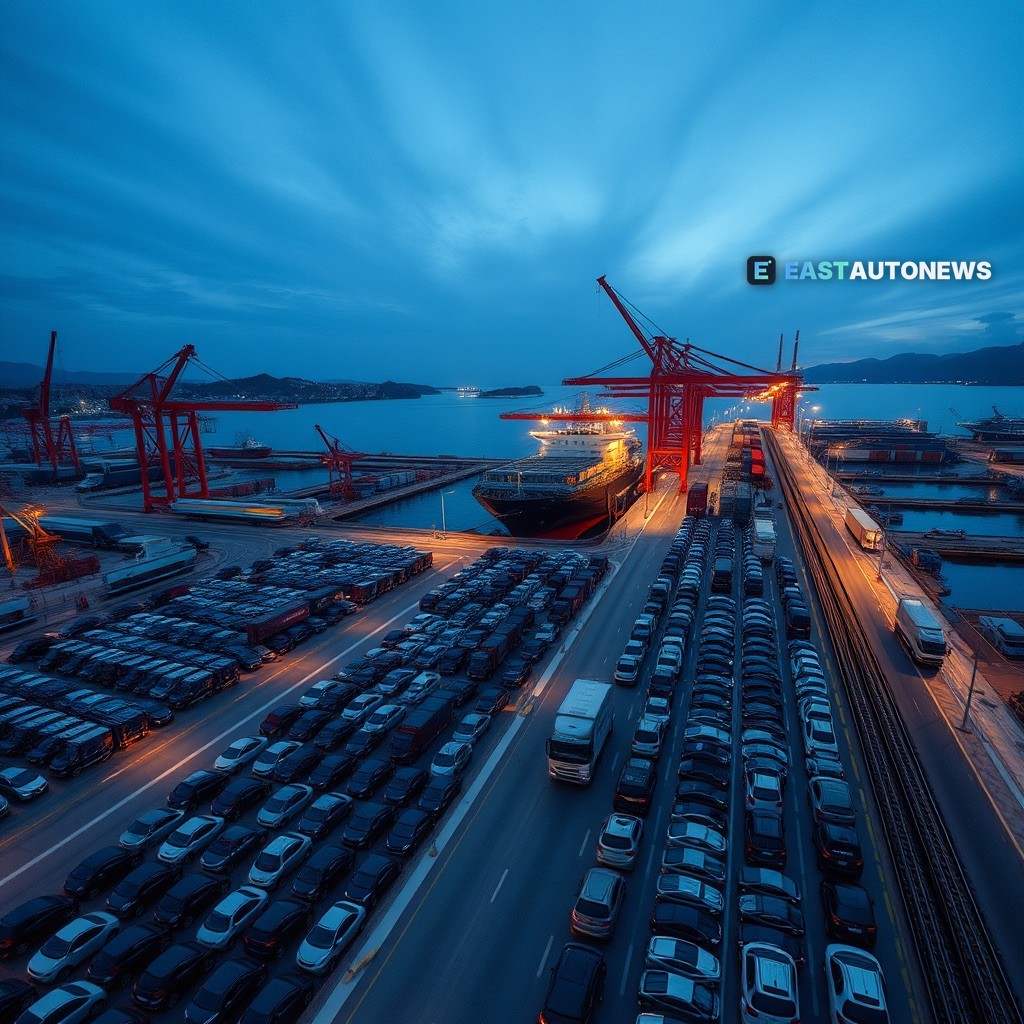
KUKULJANOVO, Croatia — In an industrial zone on the outskirts of the Adriatic port city of Rijeka, Maersk is making a quietly consequential argument: the future of trade infrastructure in Europe is connectivity. The Danish group's facility in Kukuljanovo provides warehousing, distribution and value-added logistics services that support customers across Central and Eastern Europe, anchoring what the company frames as its Rijeka Gateway — and casting the movement of goods through the continent as a matter of links, not locations.
The timing could hardly be sharper. A sharp drop in new-car sales in China's domestic market has sent negative consequences rippling across the global industry — even as Chinese automakers actively increase exports to other countries. That accelerating wave of vehicles must land somewhere, and when it does, it will need precisely what sits outside Rijeka: warehouse capacity, distribution muscle and value-added services positioned behind a seaport with the whole of Central and Eastern Europe in reach.
The systemic case was spelled out at a cargo conference in Belgrade, where the Transport Community gathered under the banner of connecting rail, road and ports. “The performance of the entire logistics chain matters more than that of any individual section,” Director Linkaits emphasised, calling for a shared approach to developing transport corridors that brings ministries and customs authorities to the same table. For a gateway like Rijeka, the message lands bluntly: a port is only ever as strong as the corridors — and the paperwork — behind it.