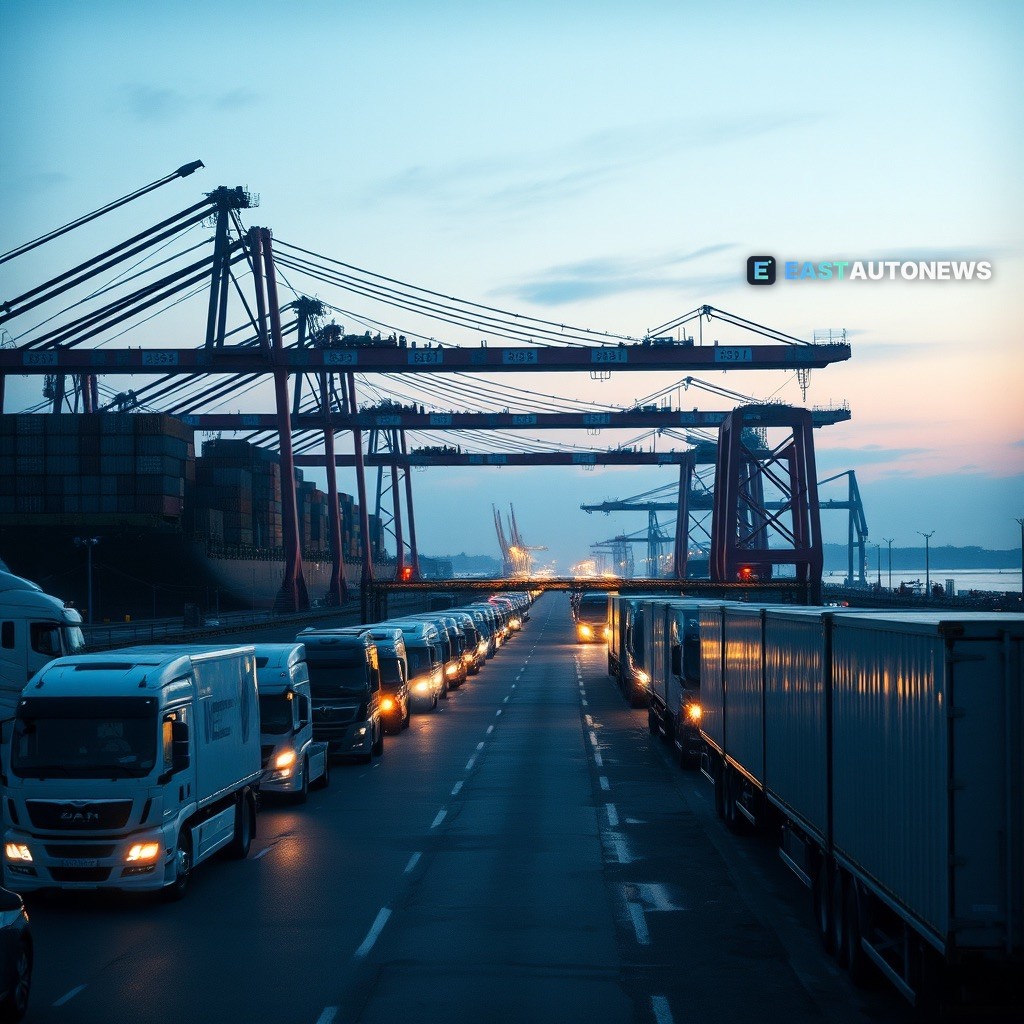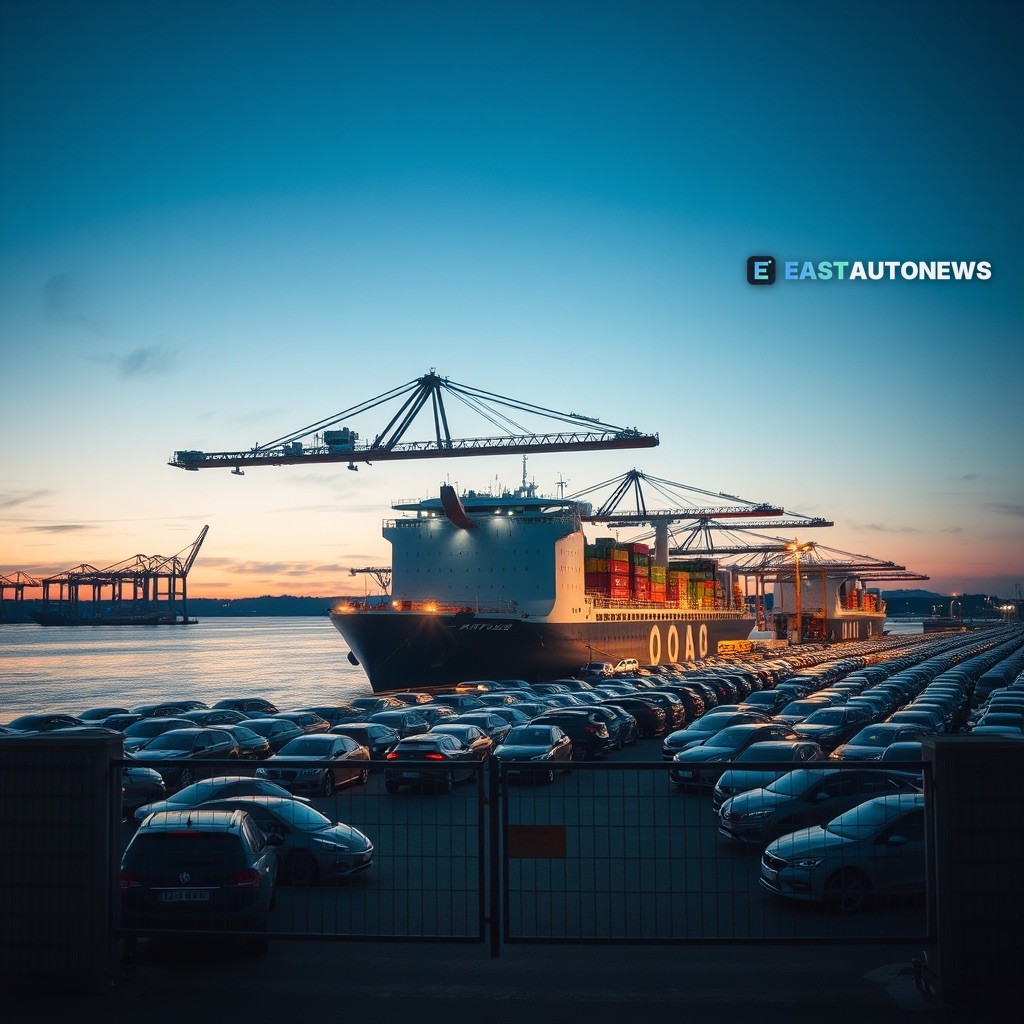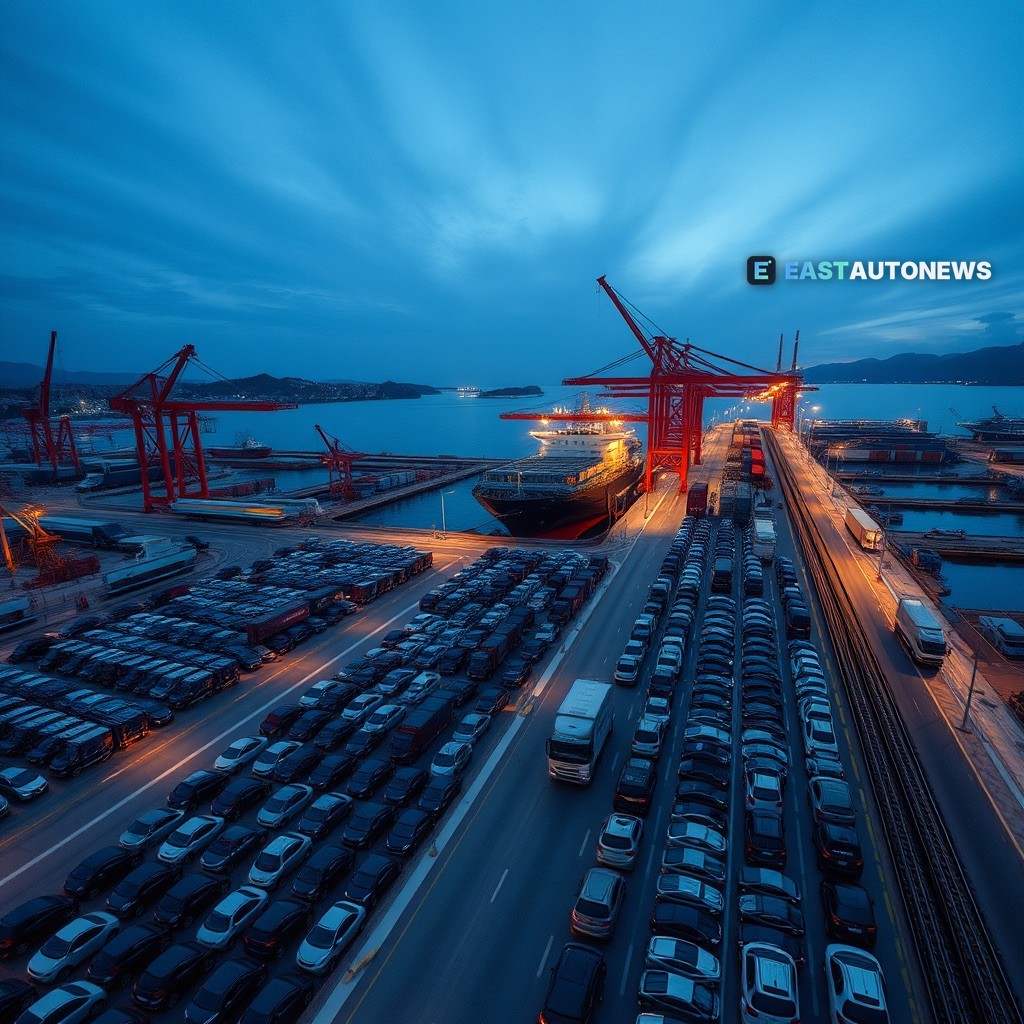
The global car trade is being redrawn in real time. A sharp drop in new-car sales in China's domestic market has sent consequences rippling through the industry worldwide — and pushed Chinese automakers to lean harder than ever on exports to other countries. As those vehicle flows bend westward, an unlikely venue has become a focal point for the question of who will actually move them: Belgrade.
In the Serbian capital, the Transport Community brought the region's freight world together at its cargo conference, built around a single premise — connecting rail, road and ports into one coherent chain. "The performance of the entire logistics chain matters more than that of any individual section," Director Linkaits told the gathering, urging a shared approach to developing transport corridors that binds ministries and customs authorities to the same roadmap.
The timing is no coincidence. With Chinese buyers pulling back, Chinese brands are actively ramping up exports — a surge already reshaping the global rankings: China dominates bus manufacturing, Turkey and Poland hold strong positions in vehicle exports, and the picture shifts again once special-purpose vehicles, tractors and automotive parts enter the count. For the Western Balkans, sitting squarely on the path between a producing east and a consuming west, corridor performance has become an economic question, not merely an engineering one.