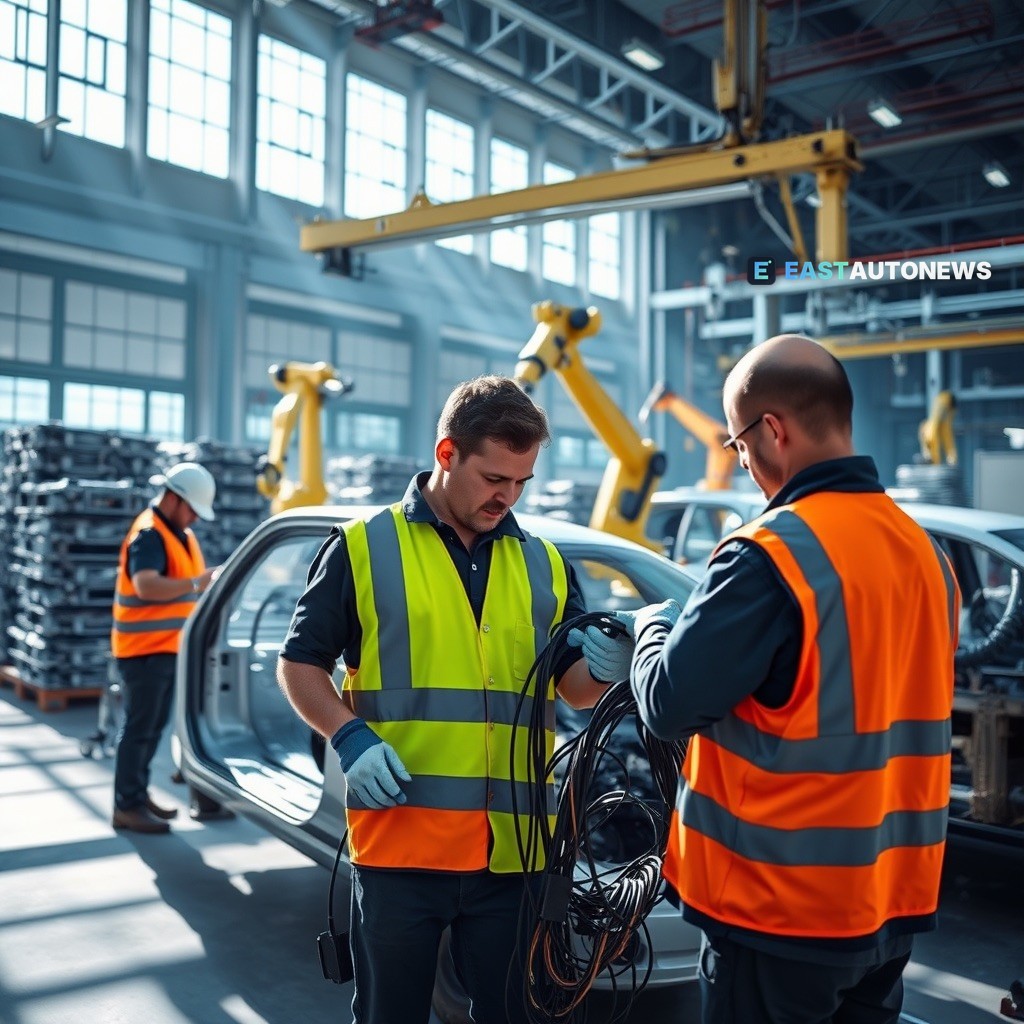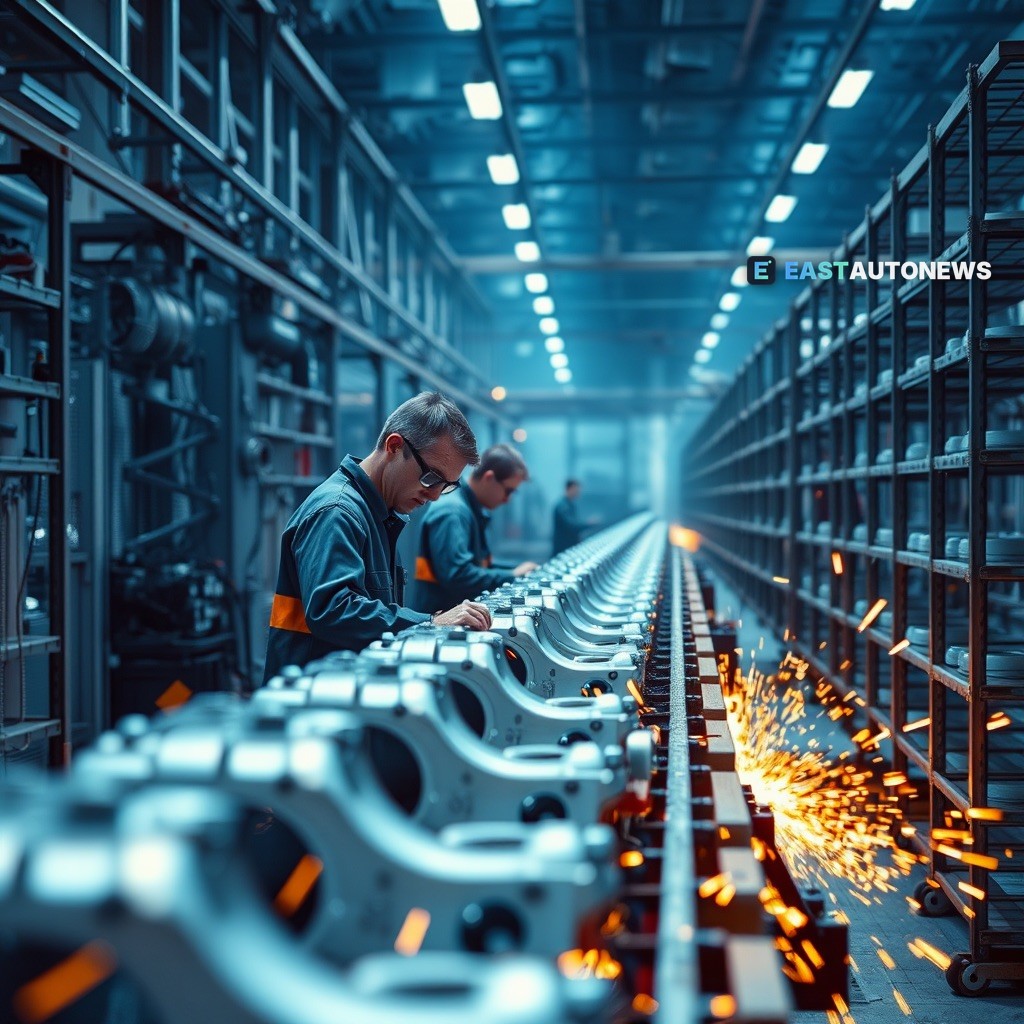
Where does a car really come from? For decades, the answer was a single line on the VIN plate. Now a 'Made in Europe' push, championed by Germany and France, is forcing the industry to answer a far harder question: where did every part inside it come from? Few countries have more riding on the answer than Poland — one of Eastern Europe's largest automotive producers and, as of 2024, the 25th largest carmaking country in the world.
The emerging rulebook is blunt. Cars imported from Japan would not qualify for EU subsidies at all, while models built in France, Portugal and Eastern Europe would benefit — but only if enough of their parts come from Europe. The assembly plant, in other words, no longer guarantees anything; the bill of materials has become the battleground. For a supply-chain nation like Poland, that one word — 'enough' — could decide who collects and who watches from the sidelines.
For Polish suppliers, the plan reads like a tailor-made invitation. Carmakers chasing subsidies for vehicles built in the region will need European parts in volume, and Poland is one of the region's largest production bases — exactly where those components are made, and where capacity could grow. Every European-sourced part shipped from a Polish plant becomes a ticket to EU money for the automaker that buys it. Suppliers who can document their content suddenly hold strategic cards, not just invoices.