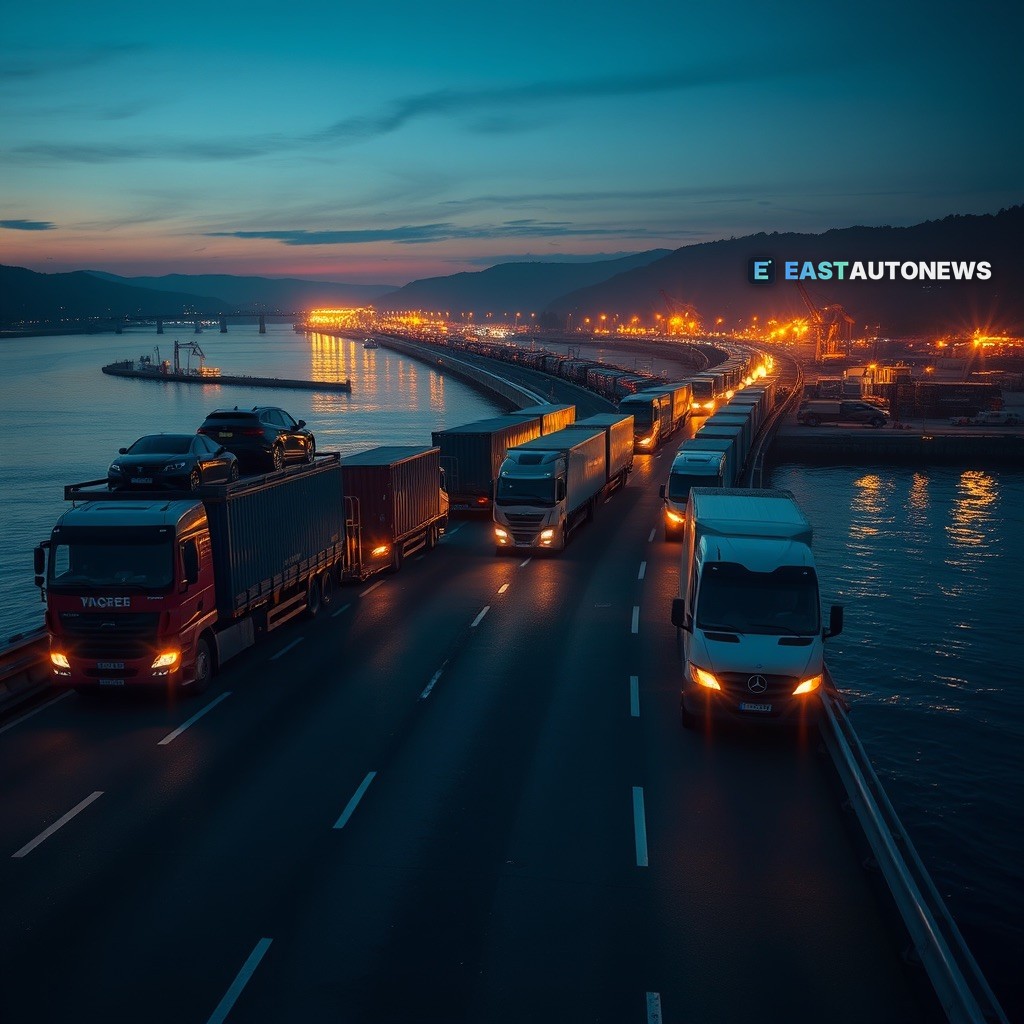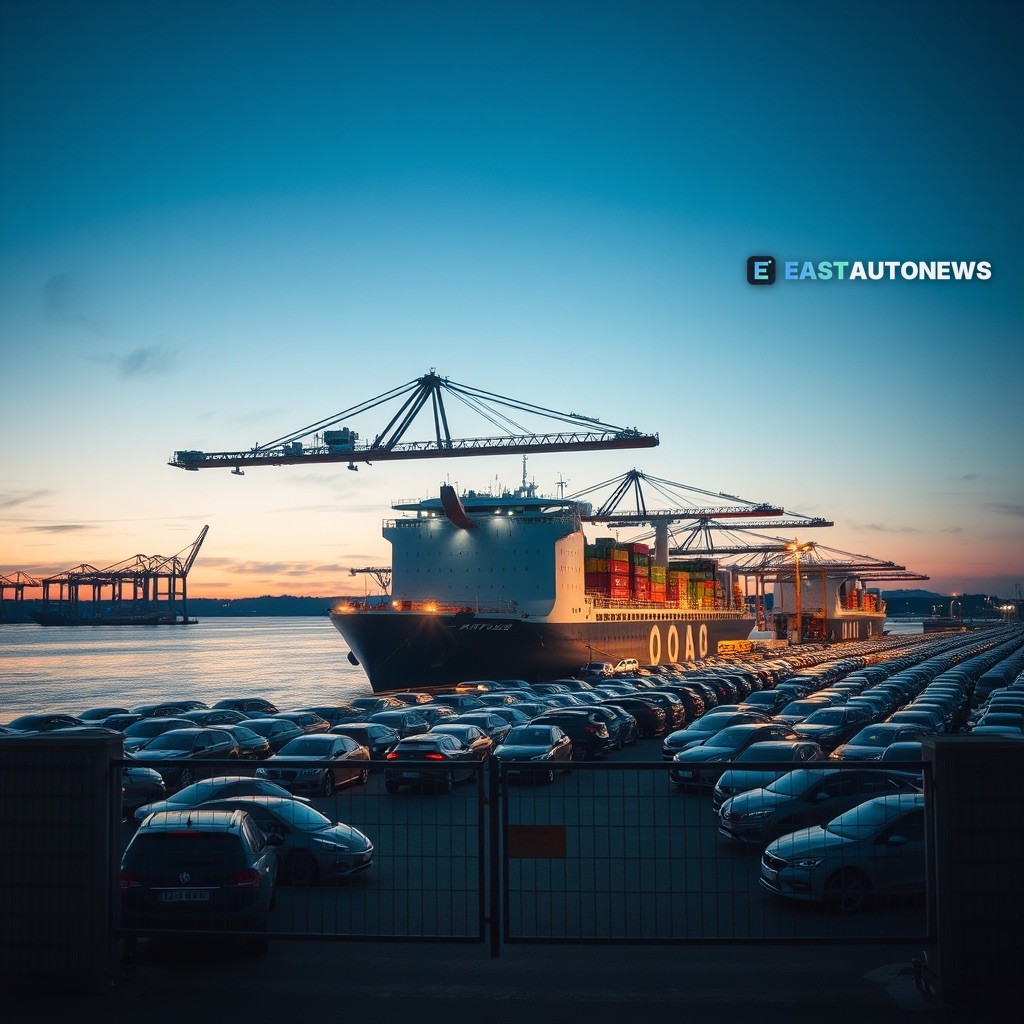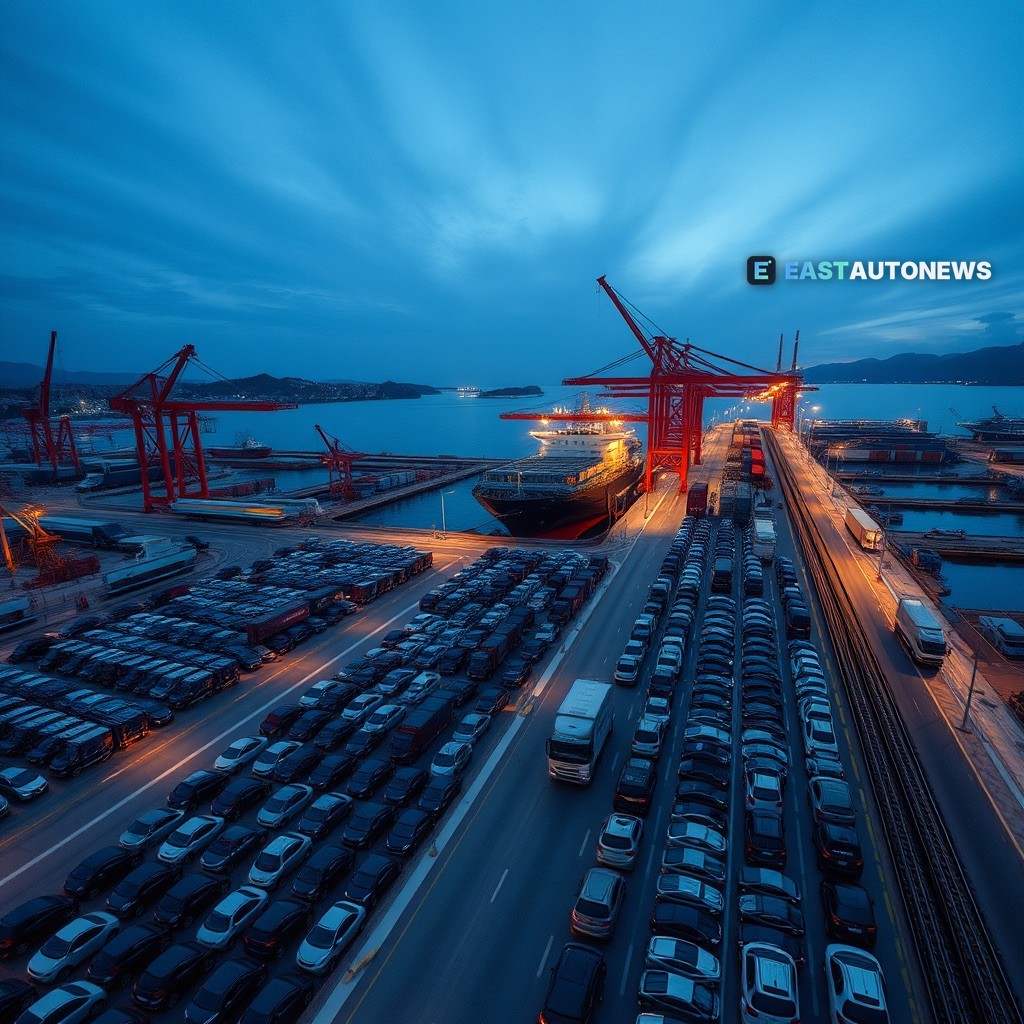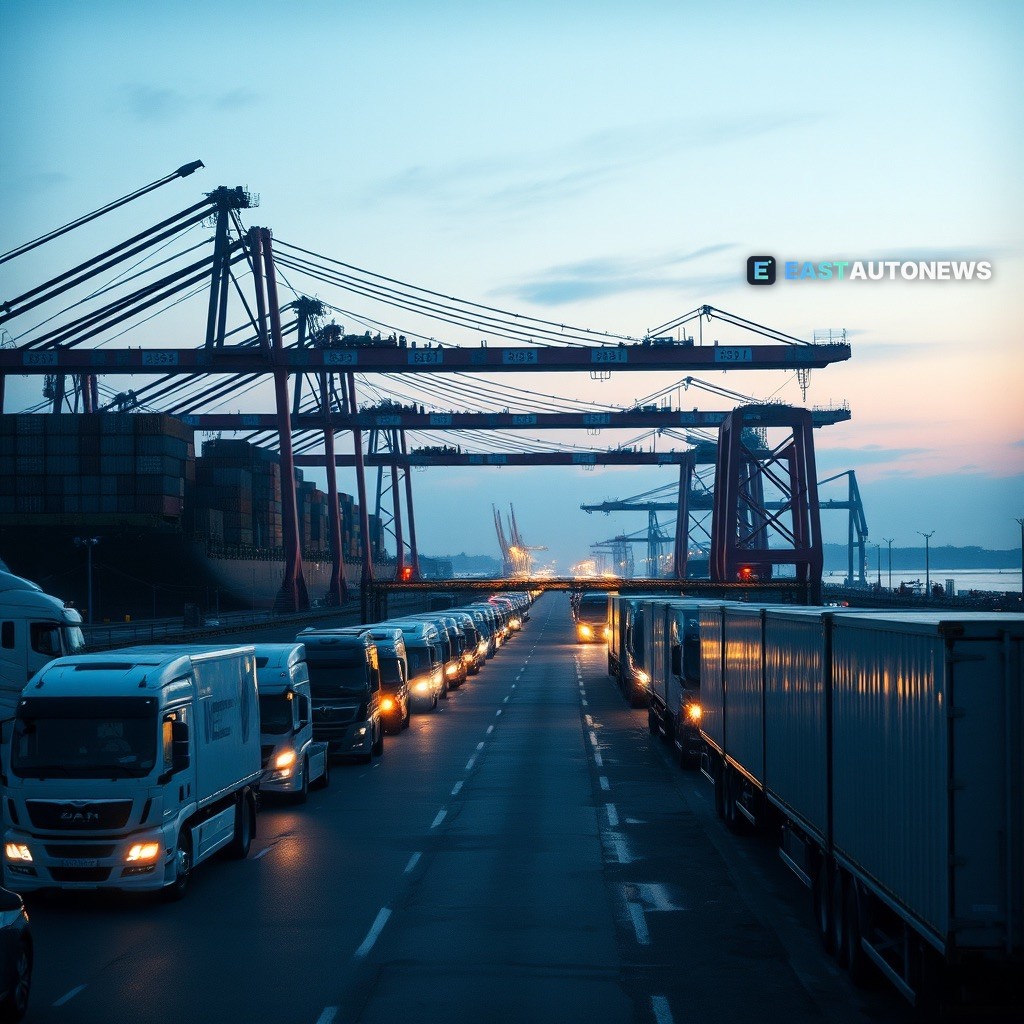
On the Baltic coast, the cranes of Gdańsk are working overtime. Since traffic at the Greater Odesa ports has been restricted and container calls there remain limited, European ports have taken over a large share of the volume — and Gdańsk has emerged as the main gateway for imports reaching Ukraine. Goods that once would have crossed the Black Sea now land in northern Poland, pass through the hands of logistics operators such as Rohlig SUUS Logistics, and roll east by road and rail. Constanța and Hamburg have absorbed their share of the traffic as alternative gateways, but the center of gravity of this trade now sits firmly on the Polish coast.
For Poland, the stakes could hardly be higher. The automotive industry alone accounts for about 11% of the country's industrial production, a sizeable pillar of the economy that leans on exactly the kind of logistics muscle Gdańsk flexes every day. Each additional container handled on the Baltic deepens the warehouse networks, trucking capacity and transport links that Polish manufacturers and suppliers depend on — and strengthens the case that this rerouting of trade is becoming structural rather than temporary.
The freight surge is showing up in truck makers' order books. Figures suggest that demand for new equipment is recovering faster in parts of Central and Eastern Europe than in several of Western Europe's largest economies, and Poland is driving the EU's truck market recovery. For the region's cross-border hauliers — many of them Polish — fleet renewal is the price of staying competitive on the longer, busier corridors that now define continental trade.