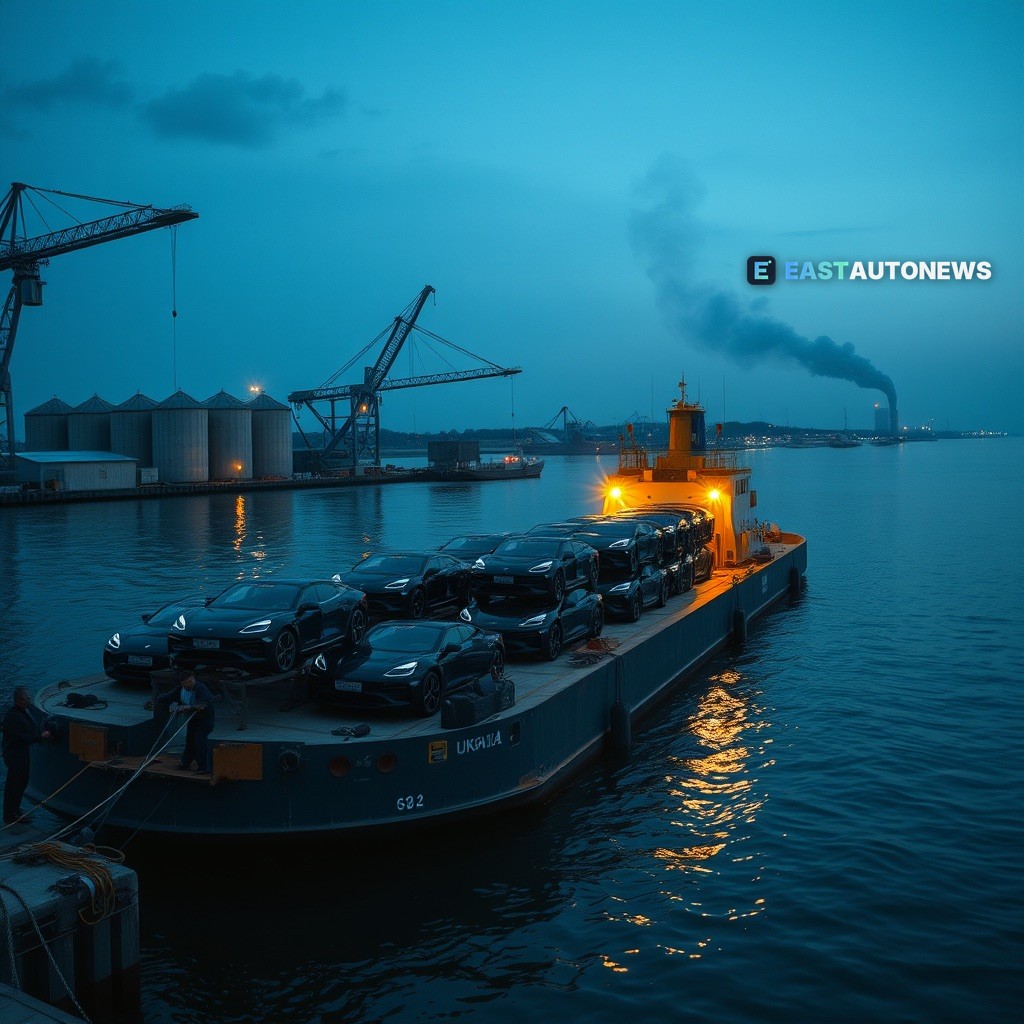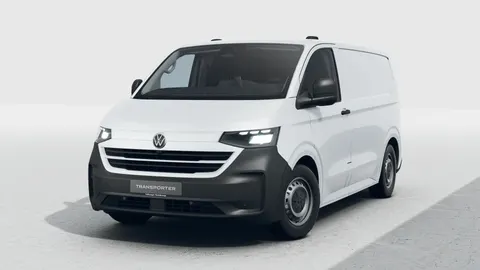
Some of the most consequential trade diplomacy for Hungary this week unfolded thousands of kilometres from Budapest. In Tashkent on November 3, Hungarian and Uzbek officials discussed setting up logistics hubs in Hungary — infrastructure designed to improve Uzbek exporters' access to EU markets and expand freight links between the two countries. For a nation whose economic engine runs on exporting cars and components, the logic is compelling: become the place where Central Asian goods touch European soil.
The timing is no accident. As a recent Daily News Hungary analysis of the country's export strategy argued, a trade agreement signed far from Budapest may carry a lesson worth considering for Hungarian businesses: diversification matters. With flagship operations like the Mercedes-Benz plant in Kecskemét anchoring an export-heavy economy, Hungary has every reason to court new markets and new corridors rather than lean only on the familiar ones.
The global backdrop makes the overture look shrewd rather than speculative. A sharp drop in new-car sales in China has pushed Chinese automakers to ramp up exports aggressively, redrawing freight flows toward Europe. At the same time, the EU's 'Made in Europe' plan is unnerving global auto suppliers: cars imported from Japan would not qualify for EU subsidies, while models built in France, Portugal and Eastern Europe would benefit only if enough of their parts come from Europe. In a market where origin increasingly decides advantage, dependable routes into the EU — and the hubs that manage them — become strategic assets.