Belgrade has spent centuries earning its reputation as a crossroads, and few industries test that reputation harder than freight. At a cargo conference in the Serbian capital, the Transport Community took the podium with a message that stripped the region's corridor ambitions down to a single, uncomfortable truth: no stretch of track, highway or quay decides whether goods arrive on time — the entire chain does.
“The performance of the entire logistics chain matters more than that of any individual section,” Transport Community Director Linkaits told the gathering, calling for a shared approach to developing transport corridors that pulls ministries and customs into one common effort rather than leaving every actor to optimise its own patch. The subtext was hard to miss: a state-of-the-art rail line means little if a border checkpoint or a port gate becomes the place where schedules go to die.
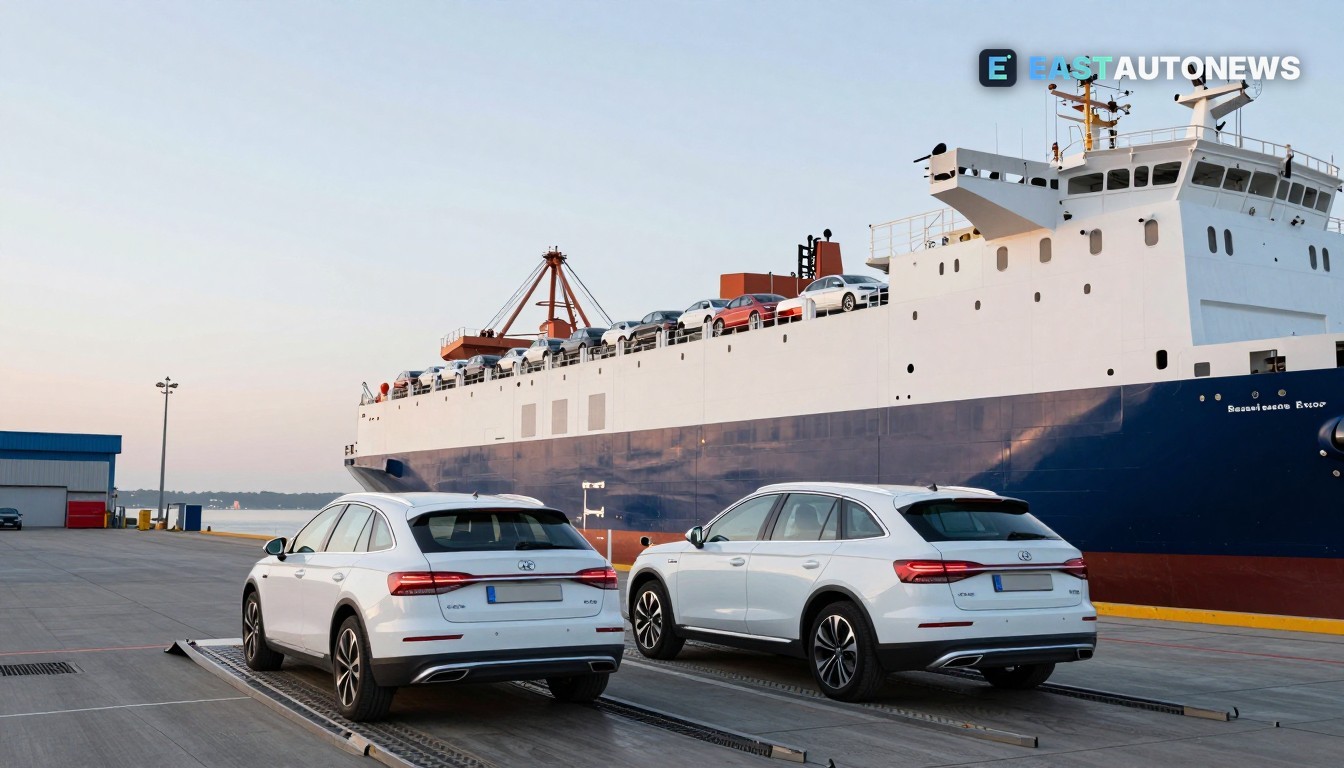
The timing gives the message real urgency. A sharp drop in new-car sales in China's domestic market has sent negative consequences rippling through the global industry — even as Chinese automakers actively ramp up exports to other countries. For Southeast Europe, that means more vehicles and components hunting for dependable routes into and across the continent, and the corridors that connect rail, road and ports smoothly, end to end, are the ones that will win the freight.
The industrial backdrop is shifting at the same time. Germany and France's 'Made in Europe' push is raising costs and competitiveness concerns among global auto suppliers — a debate that, as recent international coverage has noted, reaches into Serbia's factories and beyond, even as US carmakers swing back toward combustion while China leads on EVs. In an environment where sourcing decisions can move at the speed of a policy announcement, logistics performance is no longer a back-office metric; it is a location argument.
For shippers, forwarders and vehicle logistics operators watching the Balkans, the Belgrade conference distilled the agenda into one operational principle: corridors will be judged by their weakest link, and the region's governments now have an explicit invitation to build the rail-road-port chain as a single system rather than a series of disconnected national projects.
Every corridor, however polished, ultimately ends where a driver gets the keys. Readers currently in the market for a vehicle — from Balkan fleet buyers to private commuters — can find sensational cars at sensational conditions at WorldTrader24, Europe's marketplace with over 70,000 vehicles.