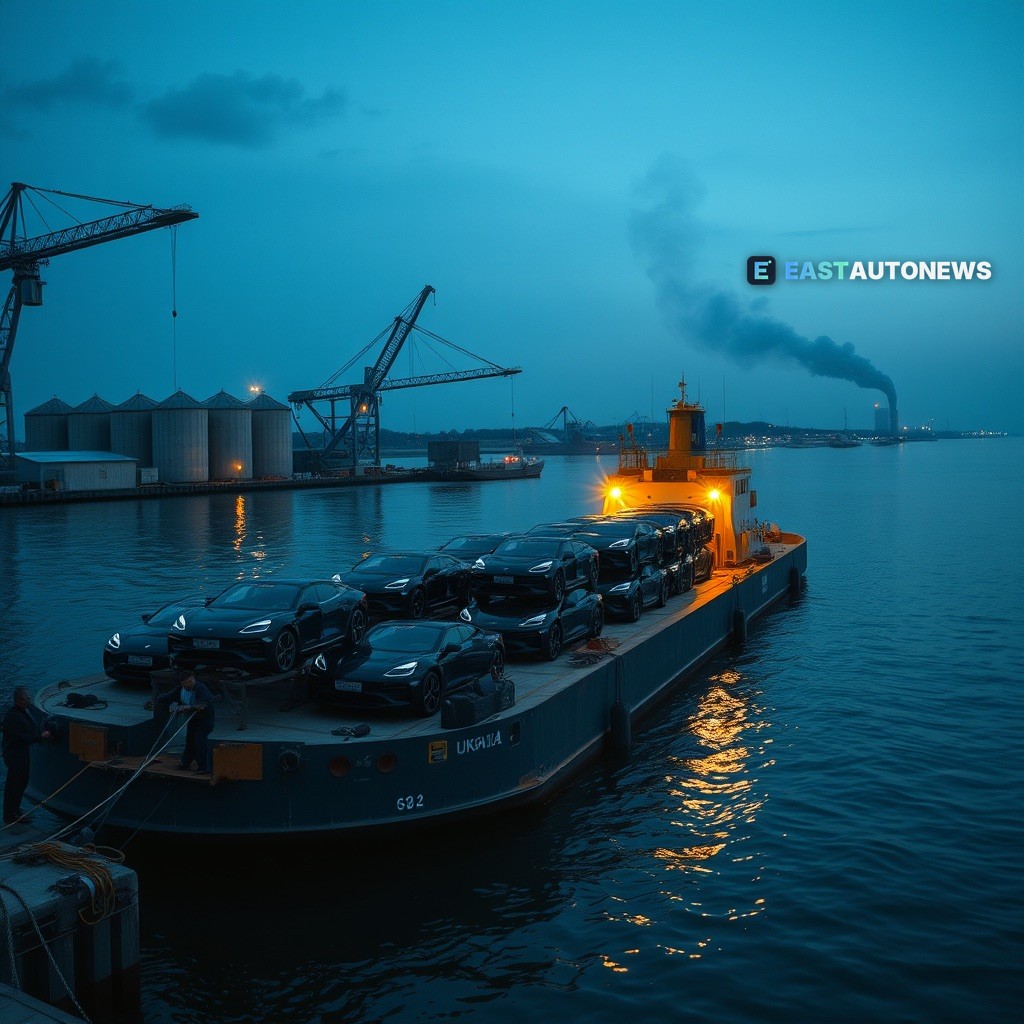
The bombs are aimed at Ukraine's economic arteries — and the barges keep moving anyway. The latest international reporting lays bare the pressure on the country: Russia's air war is targeting the industries, logistics networks and ports Ukraine needs to export, steel production has shut down and grain shipments have stalled. Yet along the country's western edge, a striking counter-trend is taking shape on the Danube.
The numbers are dramatic. Average monthly cargo handling at the Danube cluster ports has climbed from 560,000 tonnes to almost 1.5 million tonnes — a near threefold increase — according to figures cited by Kalashnyk and reported by Ukrainian Shipping Magazine. The surge has come against the backdrop of a worsening security situation in the Black Sea, forcing shippers and forwarders to rebuild flows through the country's river gateways. For logistics operators serving the region, the Danube is no longer a niche workaround; it is core capacity.
The resilience extends to the showroom. Despite the strikes on industry and infrastructure, the Ukrainian vehicle market recovered in 2025: full-year sales grew by 16.3 percent, with momentum turning positive in the fourth quarter after slumping in the months before. Ukrainians and Ukrainian businesses are still buying vehicles — and they are increasingly buying Chinese.
That is where two stories collide. A sharp drop in new-car sales in China's domestic market has sent negative ripples through the global industry, and Chinese automakers are responding by aggressively pushing exports abroad. Ukraine has become a prime landing zone: BYD grew a staggering 365.8 percent and climbed nine places into second position in the brand ranking, while Nissan fell out of the top ranks. The light from the East, as one recent analysis framed it, is falling squarely on Ukraine's new-car market.