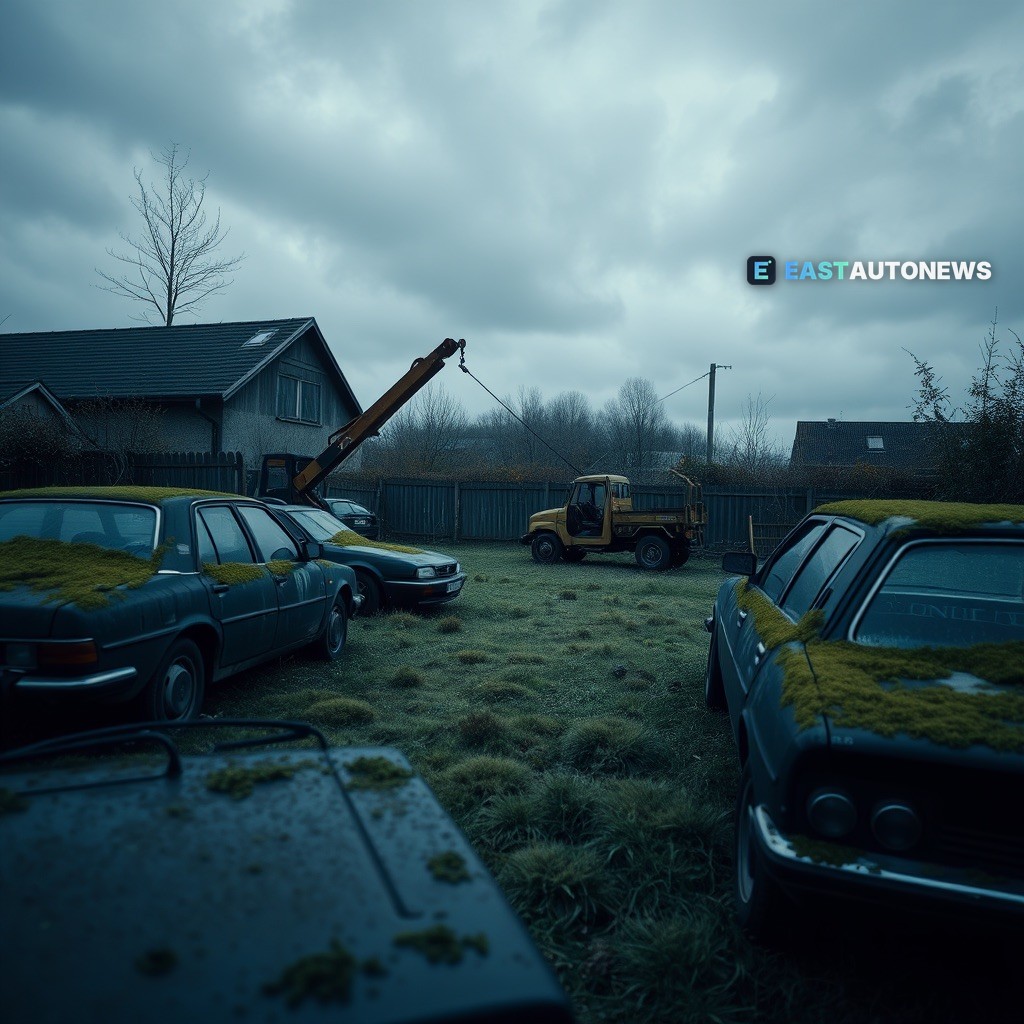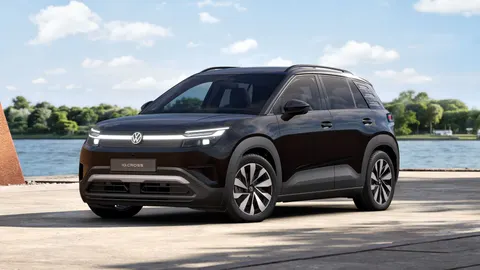
Most laws are written to discourage theft. A bill now under consideration in Russia's State Duma would do the opposite: it would legalize the registration of vehicles stolen in Europe, Canada, and Ukraine — even those sitting on Interpol's wanted list. If it passes, a car flagged by Interpol as stolen could obtain the one thing it should never get: clean papers.
For Ukraine, the draft carries a particular sting. The country is named explicitly — alongside Europe and Canada — as a source of stolen vehicles, an implicit acknowledgment that cars taken from Ukrainian owners have found their way onto Russian roads. An Interpol listing exists precisely to keep a stolen vehicle from acquiring legitimate registration; the Duma bill would sweep that safeguard aside, turning an international stolen-property alert into a bureaucratic footnote.
The commercial fallout would reach far beyond Moscow. For insurers, fleet operators and used-car exporters across Eastern Europe, a state-level mechanism that launders stolen vehicles effectively closes the already narrow path to recovering them. It also sharpens the premium on documentation integrity — the lifeblood of cross-border vehicle trade — and risks handing organized theft rings something they have always lacked: a predictable end market for their cargo.
The move lands as Ukraine's economic centre of gravity pulls hard toward the West. Moldova is cutting tariffs on Ukrainian goods transiting its territory — relief for exporters routing cargo toward EU markets, even as local farmers eye the competition uneasily — while President Zelenskyy has won EU leaders' backing for Ukraine's defence against Russia as winter nears and U.S. support appears to wane. Two systems are diverging in real time: one is wiring Ukraine's trade into European circuits; the other is drafting administrative cover for what has been taken from it.