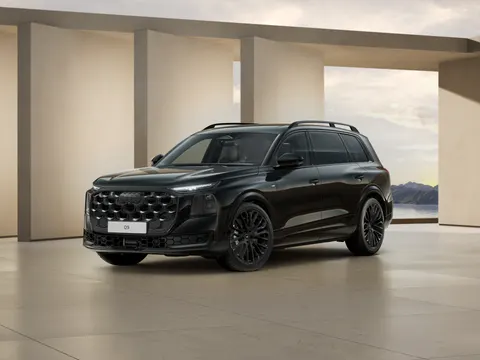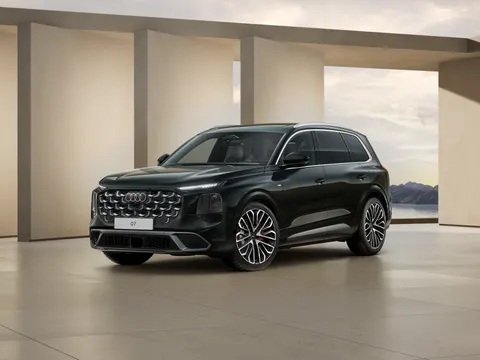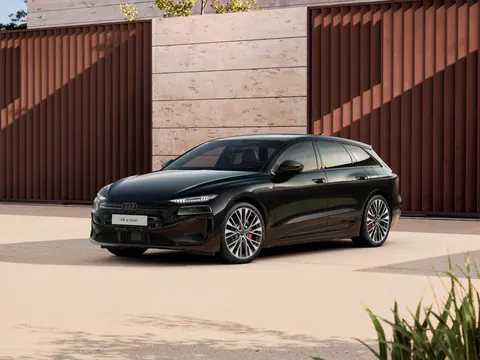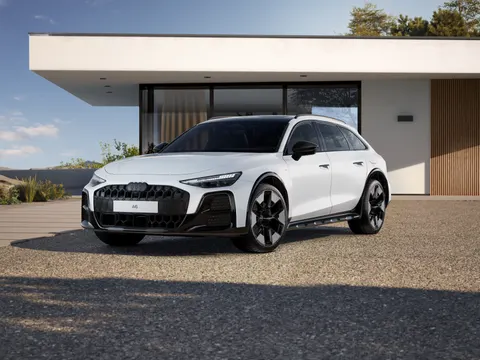
The European Commission has launched a fresh policy offensive to promote European-made electric vehicles, and its centrepiece is remarkably concrete. As Revistacarros reports, Brussels proposes creating a new category of "small electric vehicles", reserved for passenger cars up to 4.2 metres in length that are produced within the European Union. The category is designed to channel support toward compact, locally built EVs as the bloc looks to shore up its industry against competition from China.
The local-content logic extends well beyond vehicle categories. Under the proposal, some public procurement opportunities and support would be reserved for vehicles meeting "Made in EU" requirements, Just-Auto reports — a logic already familiar to Baltic EV buyers, where EU-built-only rules have made headlines on this portal. The Japan Times adds that the proposed regulations aim to favour locally made cars, meaning that where a vehicle is assembled is set to matter more than ever, both for fleet purchasers and for manufacturers' business cases.
Footprint decisions are already shifting. Just-Auto reports that Honda could consider returning to European car manufacturing, while The Japan Times writes that the Japanese automaker is weighing a restart of EU car output as the new rules take shape. Should those considerations mature, it would rank among the most striking manufacturing reversals in the industry's recent European history — and a clear early win for the Commission's approach.
Import-oriented manufacturers, however, are urging caution. VDIK, the German association of international motor vehicle manufacturers, insists that the EU's work programme must strengthen planning certainty and competitiveness, and that regulation must also take into account long-standing production and supply chains. "Europe needs competitive energy prices, less bureaucracy, and a reliable framework for innovation and investment," the association argues — a pointed reminder that for brands with established cross-border supply chains, much will depend on how strictly "Made in EU" is defined.