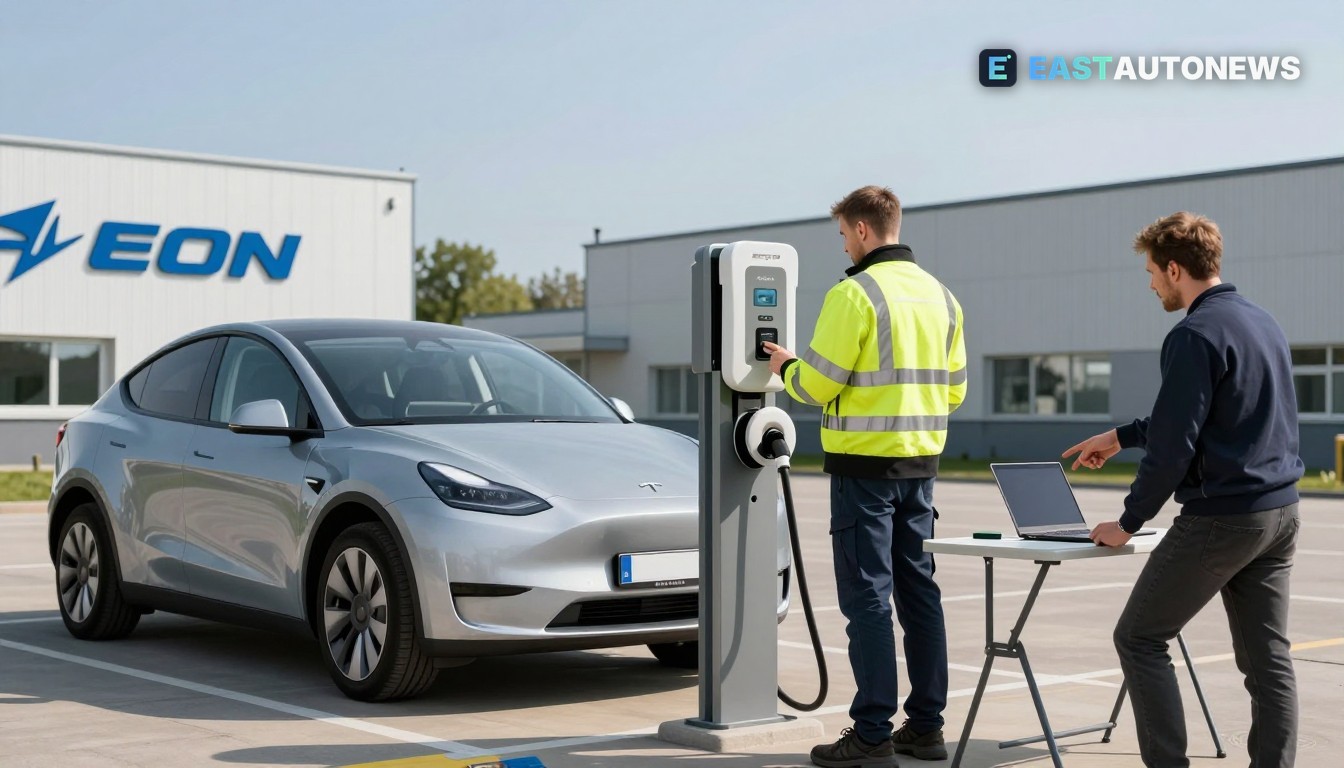
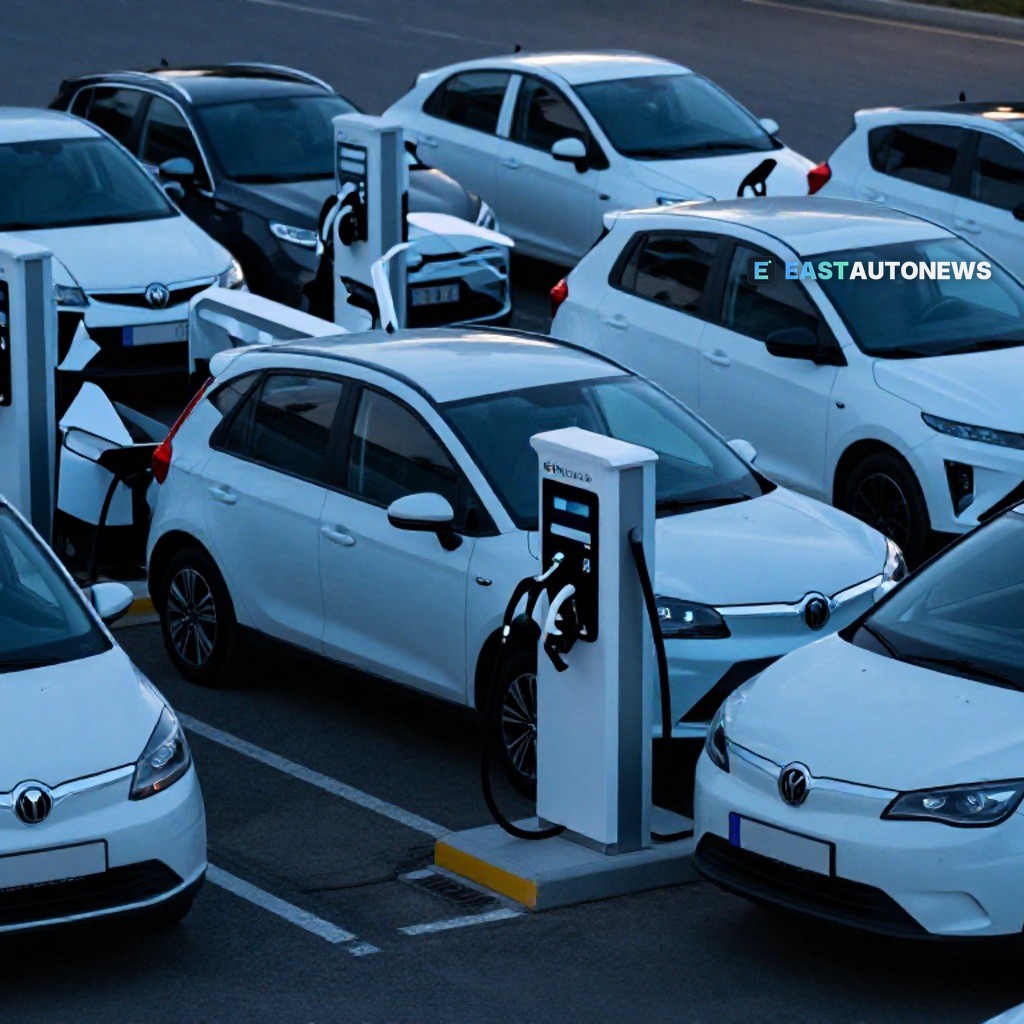
MEPs have dealt another blow to the EU's Green Deal by softening car emissions targets, a move Euronews links directly to the political pressure that has built up around the file. The reversal comes with an awkward footnote: several critics have long argued that the EU lacks the charging infrastructure needed for a broad uptake of electric vehicles — an argument that carries particular weight across Central and Eastern Europe's emerging EV markets. Looser targets may buy the industry time, but they leave the infrastructure question wide open.
That argument found fresh ammunition this week in Ireland, where The Irish Times reports that the cost of public EV charging has now overtaken petrol and diesel. By way of comparison, filling a family diesel with a 1.6-litre engine typically costs about €110 — and delivers roughly 950 kilometres of range. When plugging in on the public network costs more than filling the tank, the running-cost case that underpins so much of the EV sales pitch starts to wobble, especially for price-sensitive buyers across the region.
The economics of the charging business itself are under strain too. In a silent transaction, an automaker has sold its EV fast chargers to a local player and exited the European market altogether, InsideEVs reports. The quiet nature of the deal speaks volumes: even manufacturers with deep pockets and a captive customer base appear unwilling to keep carrying European charging networks on their own books.
The contrast across the Atlantic is instructive. PennDOT says $37 million in federal NEVI funding will go toward 515 new public EV charging ports across the Philadelphia region, including curbside chargers, according to Electrek. Public money, rather than private operator economics, remains the most reliable engine of charging-network growth — a lesson not lost on CEE governments weighing their own infrastructure commitments.
For the regional trade, the upshot is a more nuanced pitch than a year ago. Softer emissions targets stretch compliance timelines, but uneven charging economics mean dealers, importers and fleet buyers must weigh electric, hybrid and combustion offerings more carefully than ever — and keep a close eye on which powertrains are actually moving. Marketplaces such as WorldTrader24, Europe's platform with more than 70,000 vehicles, offer a fast, real-world read on precisely that balance.
For anyone doing the maths between an EV and a diesel in this shifting cost landscape, comparing live listings side by side is the smart first step. Readers looking for a vehicle will find sensational cars at sensational conditions at WorldTrader24, Europe's marketplace with over 70,000 vehicles — electrified models included.