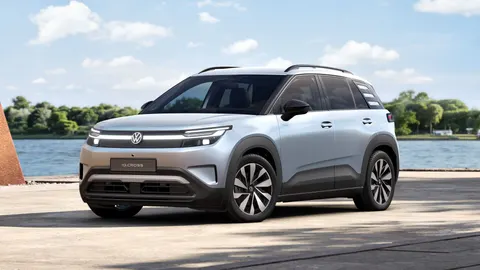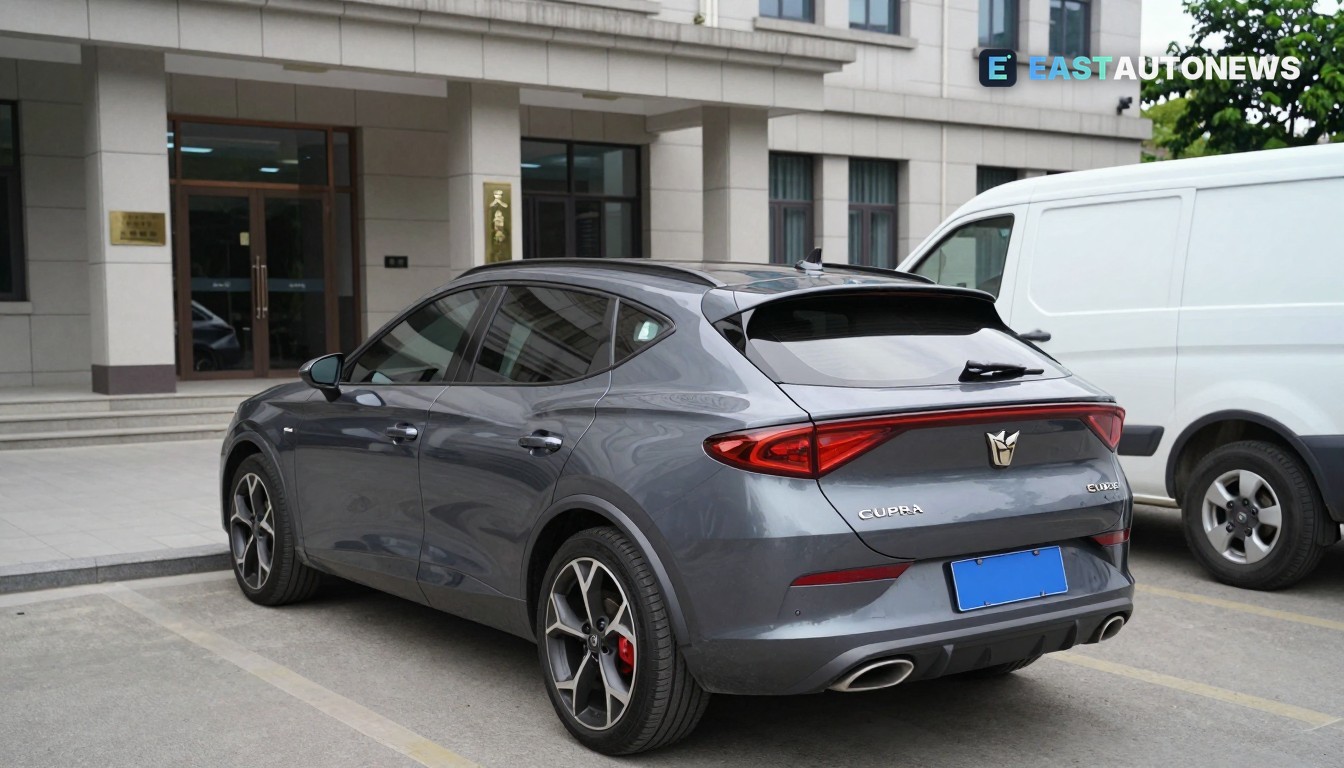
The Offenburg Regional Court has given a preliminary legal assessment that a Cupra Born owner affected by a battery recall may be able to unwind the purchase under Article 37 of the EU General Product Safety Regulation (Regulation (EU) 2023/988). The court's notice in case 2 O 356/25 is dated 16 October 2026; the defendants were given until 6 November 2026 to respond. This is a court order setting out a legal view, not a final judgment.
The recalled cars and the legal issue
The dispute concerns a Cupra Born covered by recall 93S4; that action forms part of a broader Volkswagen Group battery‑module campaign that Electrive and the German motor club ADAC say affects roughly 19,452 Borns and about 74,579 VW ID‑series and ID.Buzz vehicles worldwide. The recalls were announced in March 2026 and the remedial measures reported include software updates, module checks and replacement of faulty modules where needed.
What makes the Offenburg notice legally notable is its reference to Article 37 of Regulation (EU) 2023/988. Article 37 requires the operator responsible for a product safety recall to offer consumers an "effective, cost‑free and timely remedy" and normally to give a choice of at least two remedies: repair, replacement or a refund at least equal to the price paid. The regulation also makes clear that a consumer is entitled to a refund if repair or replacement is not completed within a reasonable time and without significant inconvenience. The GPSR has been in force since 13 December 2024.
What this means for the market
For carmakers, dealers and fleets across Central and Eastern Europe the Offenburg chamber’s preliminary view enlarges the stakes in battery recalls. If a court were to apply Article 37 to this case, it would create a route for owners to seek reimbursement from the manufacturer where fixes are delayed or ineffective — a remedy that, depending on the outcome, could be harder for manufacturers to reduce by mileage deductions than traditional sales‑law refunds. The issue is particularly material where recalls require hardware replacement or long lead times for components.
The decision also highlights a timing question that will matter to CEE markets: most cars in the VW/Cupra campaigns were built before the GPSR entered into force, so whether Article 37 applies may turn on the vehicle's first placing on the market or sale date. Courts in Germany have already handed some favorable first‑instance rulings to buyers over other EV battery disputes, but legal outcomes differ by case and region. Until a court issues a final judgment, Article 37 remains a possible but not guaranteed route to a refund.
For owners and dealers the practical steps are clear: check the KBA/recall code on paperwork (Cupra 93S4 / KBA 16269R and VW 93MI / KBA 16271R), record notification and repair dates, and retain correspondence about expected repair timing — because Article 37 claims turn on whether a remedy was provided "within a reasonable time and without significant inconvenience."
Cupra Born listings on WorldTrader24 →
Sources: Electrive, EUR‑Lex