The European Parliament’s Environment (ENVI) and Transport (TRAN) committees on 4 November 2026 adopted a joint position on the Commission’s Clean Corporate Vehicles Regulation by 89 votes to 29 (with four abstentions). The committees want public financial support, from 2028, to be restricted to zero‑ or low‑emission cars and vans that are manufactured in the European Union.
Key provisions approved by committees
Under the committees’ text, Member States would be required to prepare national plans from 2028 and to meet aspirational national targets for the share of zero‑ and low‑emission vehicles in new corporate registrations in 2030 and 2035 — the proposed targets range across Member States from 67% to 95%. The rules would apply to vehicles registered by large undertakings (defined in the proposal as companies with at least 250 employees and an annual turnover of €50 million or more).
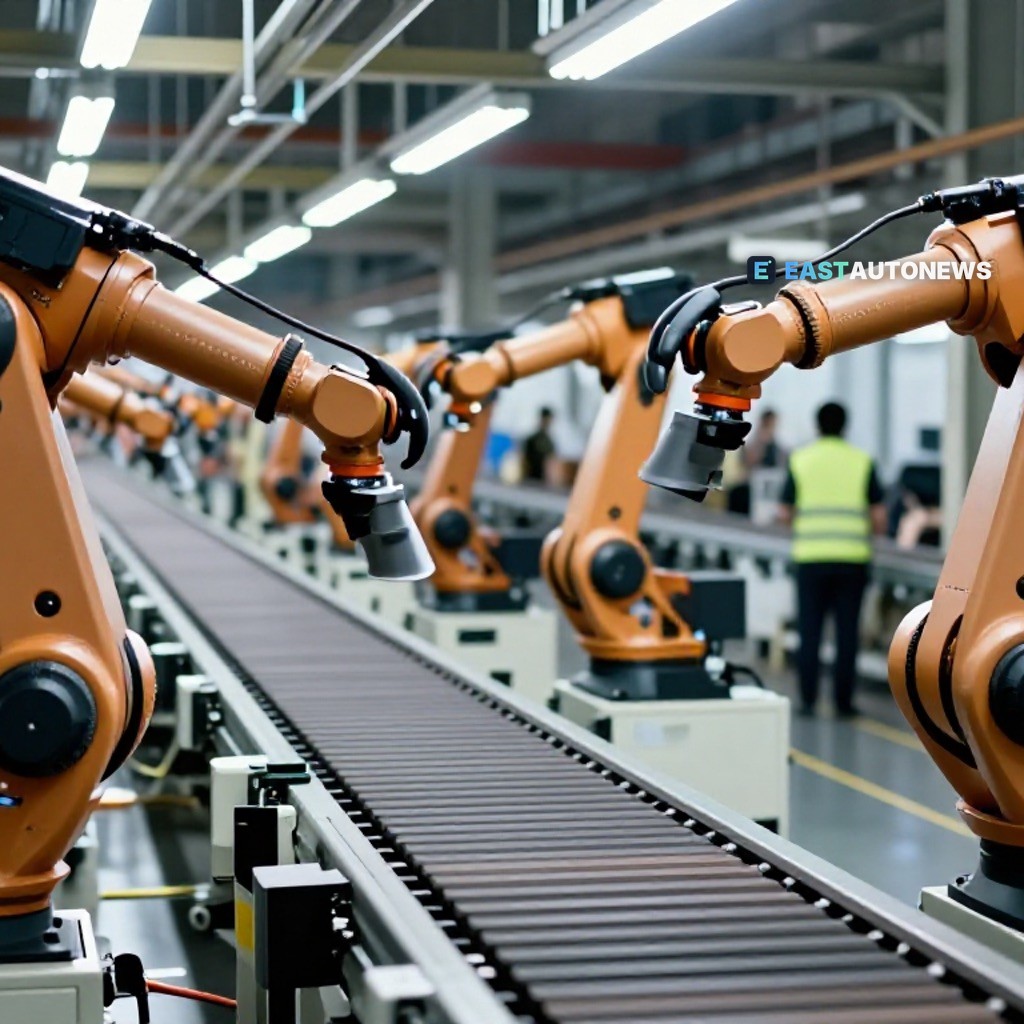
The committees also set out a ‘made in the EU’ condition for access to public support: to qualify for state aid, a corporate car or van would need to meet criteria for EU manufacture (assembly in the EU and minimum shares of EU content to be defined through delegated acts). The committee text cites the European Parliamentary Research Service’s explanation of staged local‑content tests, including component and battery thresholds over time.
Politics and stakeholder reactions
Co‑rapporteurs Tiemo Wölken (ENVI) and François Kalfon (TRAN) presented the committee position as a way to focus public funds on clean vehicles while supporting European industry. "With this law we are making sure corporate fleets lead the shift to clean mobility and taxpayer funds are allocated as efficiently as possible: the member states will have to make clean vehicles, built in the EU, the default option for companies and workers – a win‑win for the climate, public finances and Europe's automotive workforce," Wölken said after the vote. Kalfon added: "From 2028, public support will be allowed only for clean corporate vehicles made in the EU. And after three to four years, these vehicles will go to the second‑hand market, making electric vehicles more accessible to low‑income households."
Non‑car mobility interests noted changes in the committee compromise: the European Cyclists’ Federation and industry group European Cycling Industries said committee negotiators had weakened earlier text that would have better integrated e‑bikes and cargo bikes into national fleet plans. They urged Member States and MEPs to broaden national plans to include company bike schemes as a cost‑effective decarbonisation route.
What this means for the market
The committee position, if confirmed by plenary and later agreed with Member States, would redirect national fleet subsidies and many forms of public support towards vehicles demonstrably assembled and largely sourced in the EU from 2028 — a direct policy lever to favour EU‑based assembly and supplier investment. That shift would strengthen the bargaining position of CEE plants that already produce EU‑branded EVs and components, while raising compliance questions for national support schemes that currently include imports. At the same time, the requirement to set national targets (67%–95% by 2030/2035 as proposed by the committees) makes corporate fleet demand a predictable volume signal for manufacturers and leasing companies planning production and resale cycles.
But the text still needs plenary backing (a negotiating mandate is expected in December 2026) and subsequent agreement with the Council before it becomes law; the Commission’s delegated methodology for what counts as ‘made in the EU’ will also be decisive in practice. Market actors should therefore track three concrete milestones: the Parliament plenary vote (expected December 2026), the Council mandate during interinstitutional talks, and the Commission’s delegated acts that specify origin criteria.
New corporate vehicles for dealers on WorldTrader24 →
Sources: European Parliament (ENVI & TRAN), EP Votes