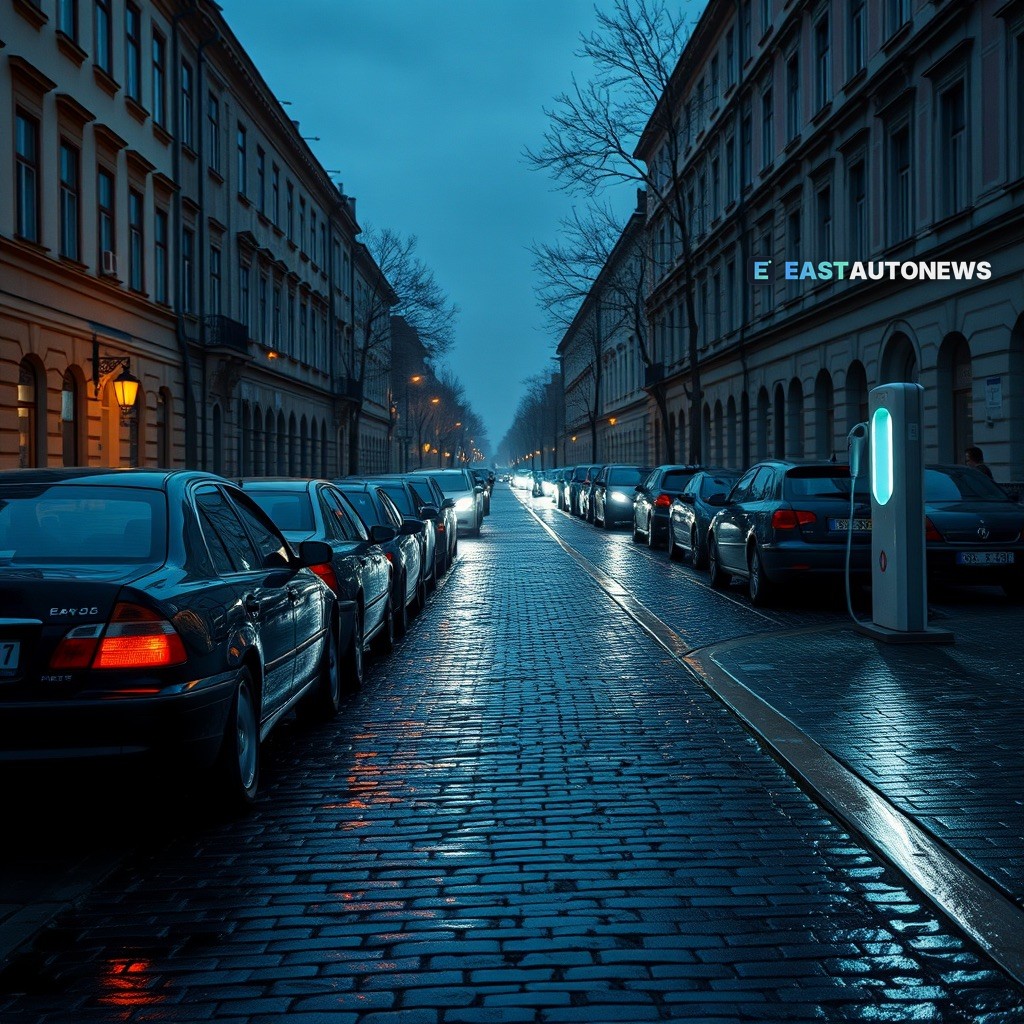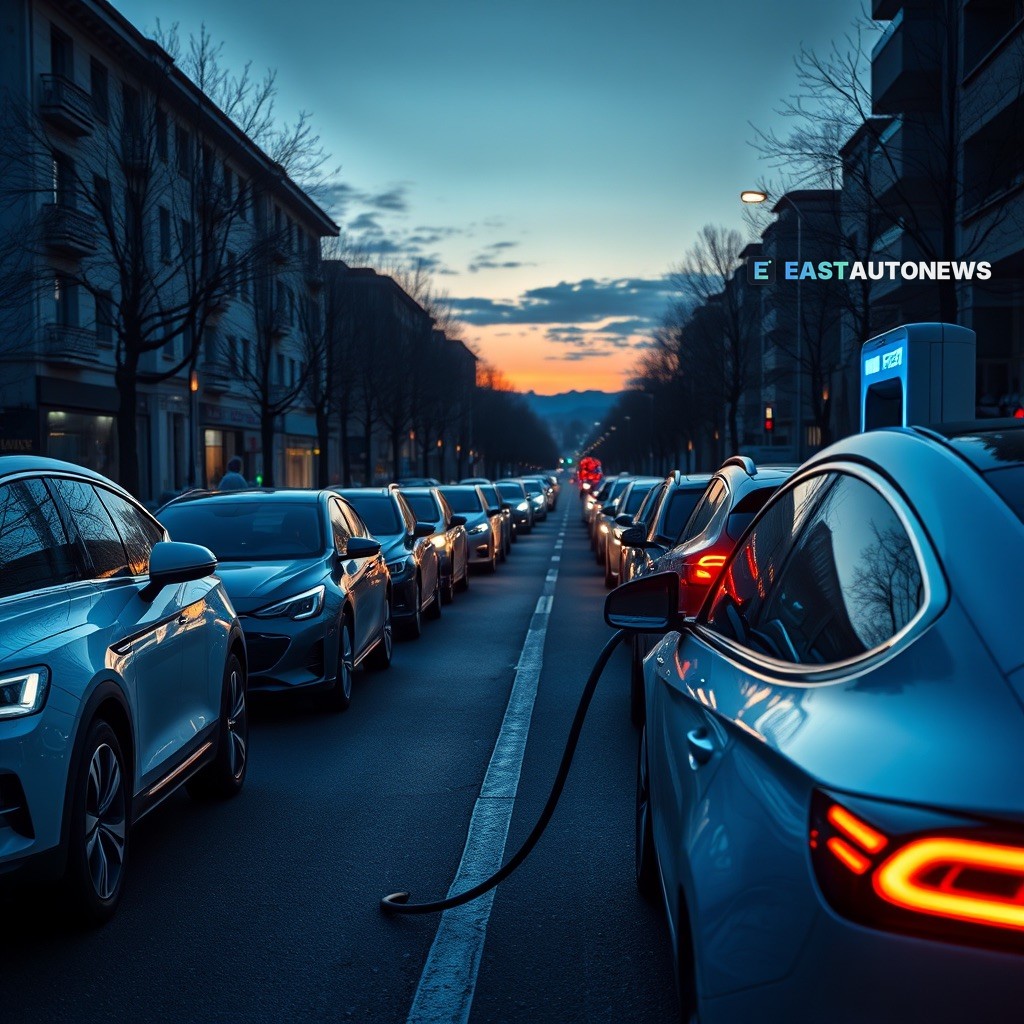
Serbia is discovering that electric momentum has a price. EV registrations jumped 300% in 2026, pushing the country's electric fleet to some 10,000 vehicles — yet across the whole of Serbia, only 250 public chargers stand ready to serve them. That works out at roughly forty electric cars for every public plug, and experts are warning that the charging network must keep pace before the country's enthusiasm for electromobility collides with a hard infrastructure ceiling.
The surge stands out against a regional backdrop that is steady, but hardly spectacular. Fresh analysis of the global car market puts Eastern Europe at around 3.4 million units this year, up a modest 0.6% — numbers that look calm on the surface while the ground underneath shifts. Forbes captured the mood bluntly in a recent assessment of Europe's auto market: the forecast is steady, the future is turmoil.
Much of that turmoil is expected to arrive from the East. Zoran Matovic, Managing Director of Auto Business & Enterprise in Serbia, told Forbes last month that a rapidly increasing number of unknown Chinese brands will be fighting amongst themselves to succeed in Europe. With China leading the global charge on EVs even as US carmakers swing back to combustion engines, Serbia's fast-electrifying fleet sits squarely in the path of that scramble — and the winners may well be the brands that help their buyers find somewhere to plug in.