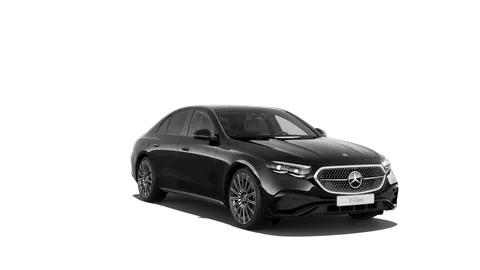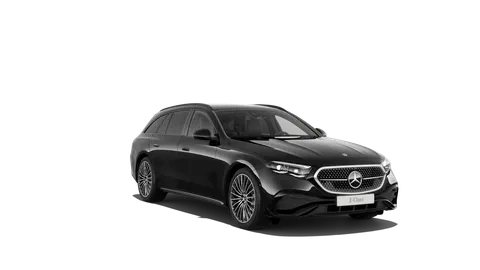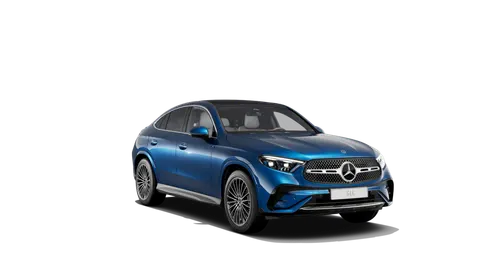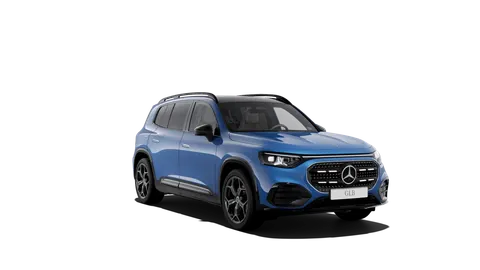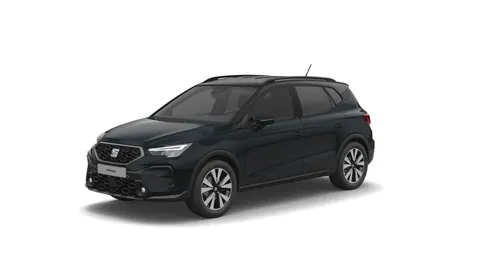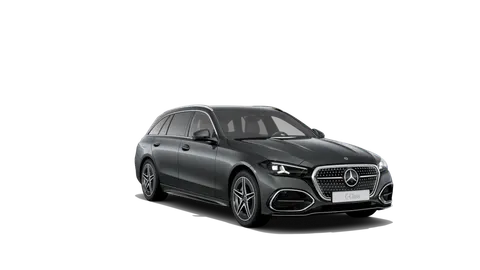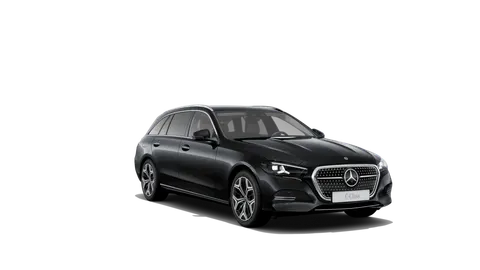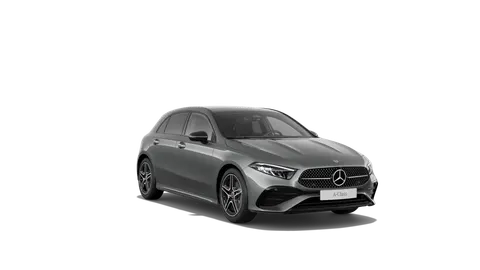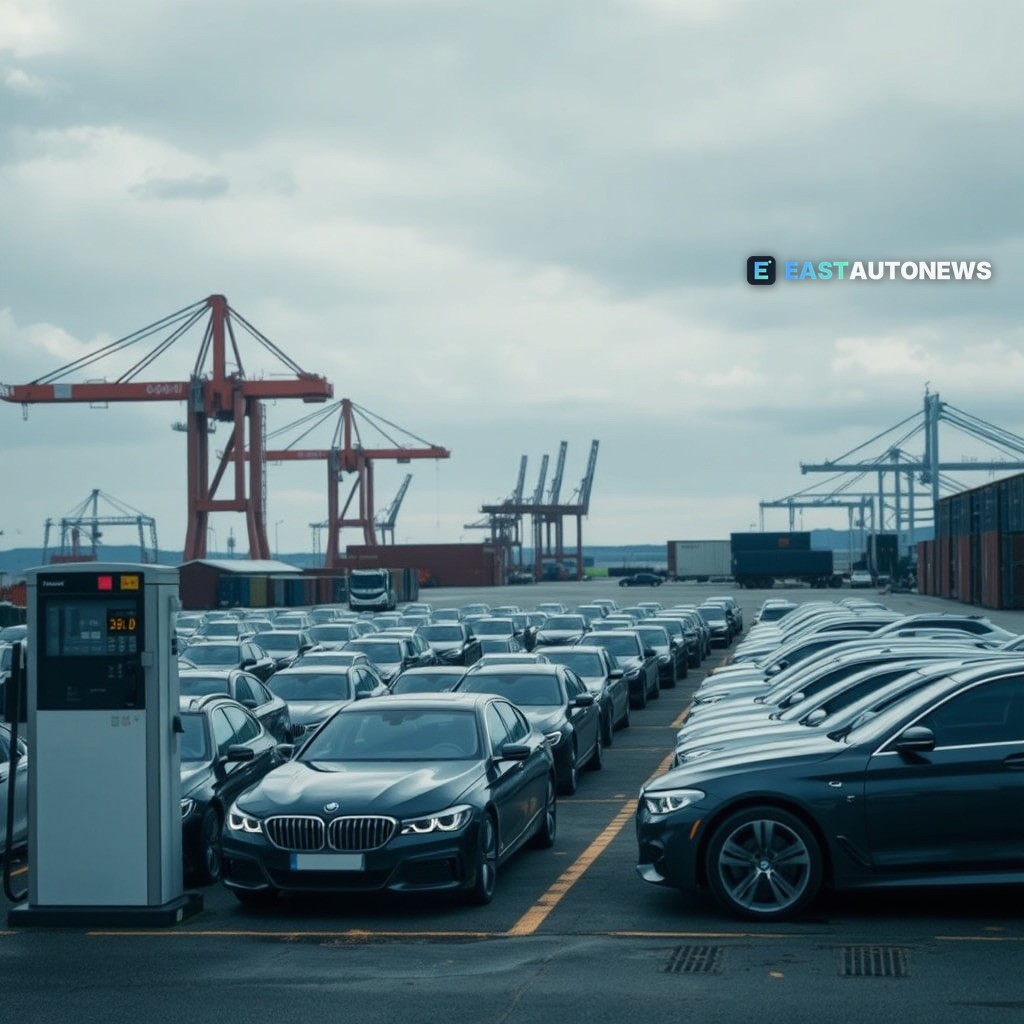
On Latvia's roads, the future of motoring looks suspiciously like the past. Fresh analysis from SEB banka shows the Latvian market is still dominated by used diesel cars — and that half of all imported vehicles wear just four badges: BMW, Mercedes-Benz, Audi and Volvo. While European policymakers debate the electrified future, the Baltic republic's car park remains anchored to second-hand premium diesel.
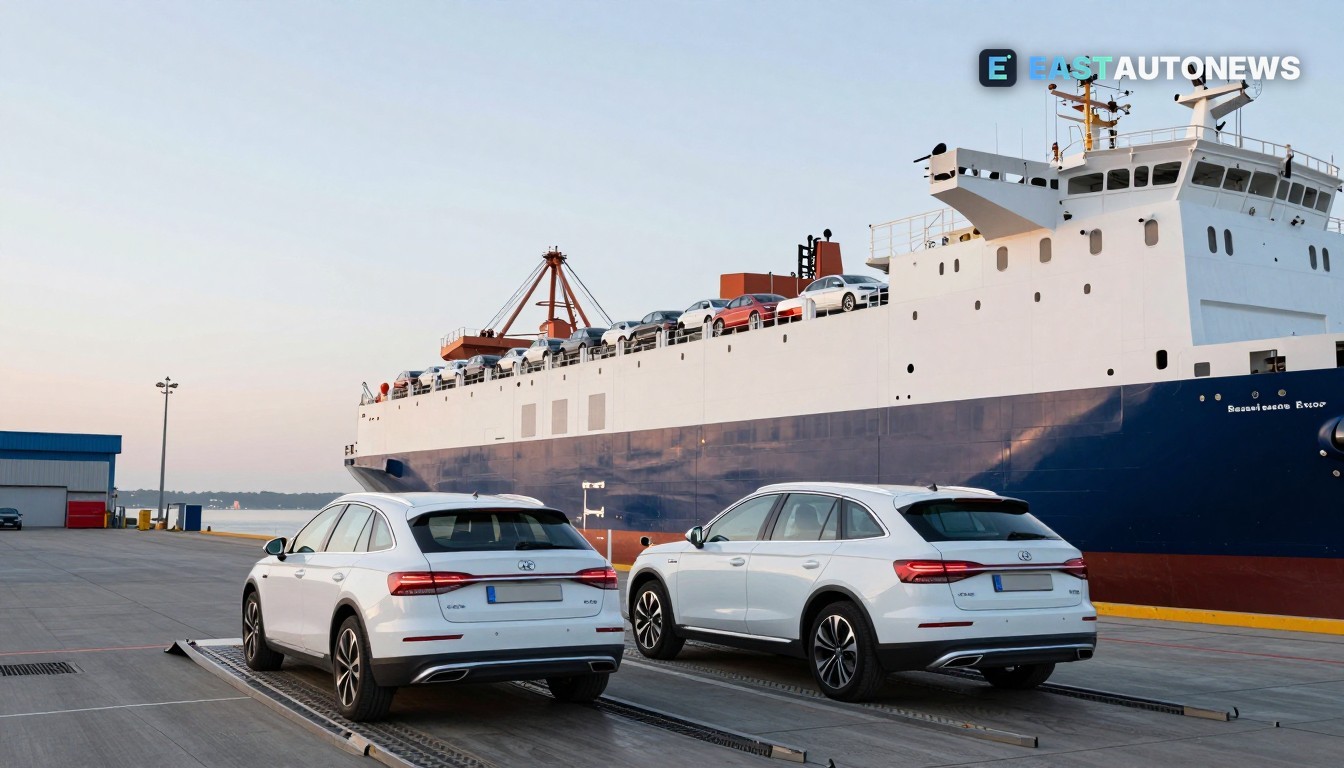
For the import and logistics trade, that concentration is striking. Four brands commanding half of inbound used-vehicle flows make Latvia's trade lanes unusually predictable: a steady rhythm of BMW, Mercedes-Benz, Audi and Volvo stock, with all the transport, parts and aftersales infrastructure that follows it. Dealers and financiers, in turn, know precisely where demand sits — proven, diesel-powered premium metal.
The latest retail statistics add an intriguing wrinkle. Year on year, food retail volumes edged up 0.3% and non-food retail excluding automotive fuel jumped a robust 9.3% — yet sales of automotive fuel slipped 0.8%. Latvian consumers are buying more goods but marginally less fuel, a shift worth watching in a market whose car park runs on diesel.
Latvia's industrial base, meanwhile, is gathering pace of its own. Industrial production output rose 2.6% year on year in September, according to calendar-adjusted data at constant prices from the Central Statistical Bureau. And a couple of kilometres from Riga International Airport, in the suburb of Marupe, five companies — Belss among them — form a bustling UAV production cluster that, as international reporting has detailed, has turned Latvia into a drone workshop. The country that fills its roads with imported cars is now assembling flying machines of its own.
For buyers, Latvia's four-brand diesel dominance is a reminder that the best deals rarely stop at the national border. Anyone looking for their next vehicle — from tried-and-tested diesel to something greener — can find sensational cars at sensational conditions at WorldTrader24, Europe's marketplace with over 70,000 vehicles.