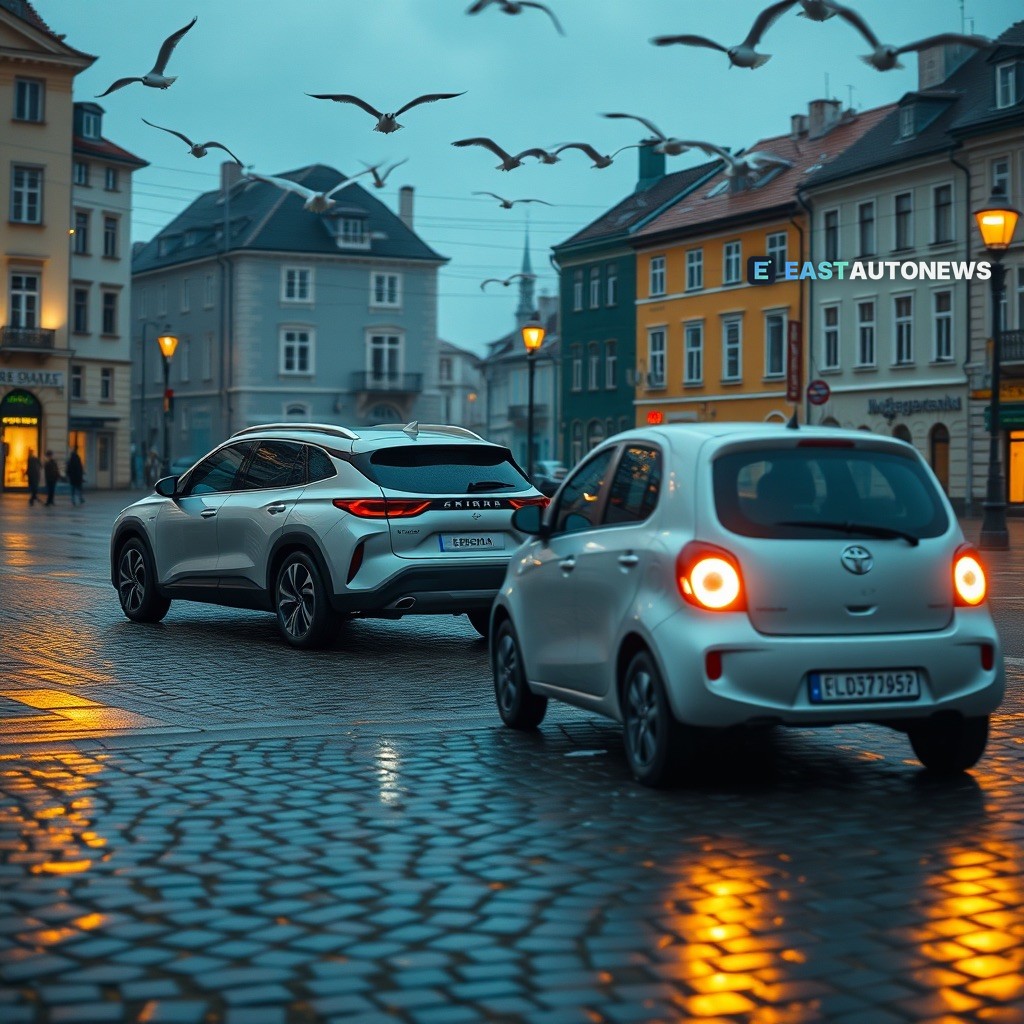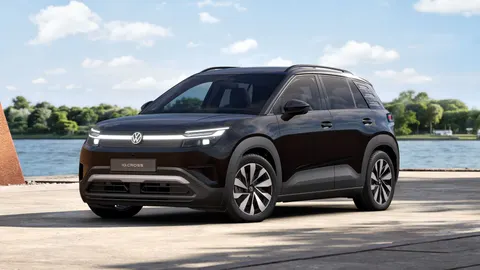
While most of Europe's car market idles in neutral, Estonia has its foot flat on the floor. The Baltic state registered 16,384 new passenger cars in the first ten months of this year — a remarkable 52.5% more than over the same period last year, according to figures highlighted by local market experts. In a continent that counts annual sales in the millions, a five-digit market growing by more than half its own size is not a recovery. It is a boom.
The surge carries a twist of irony. The car tax that once haunted Estonian buyers is still in force — yet, as local media put it, the fear has left the showroom. What many expected to act as a brake on demand has coincided with precisely the opposite: an unexpected leap in sales, with buyers apparently reconciled to the levy and back at dealers' doors in force.
Set against the wider European picture, Estonia's numbers read almost like a misprint. Consultancy Inovev, cited by Forbes, expects sales of sedans and SUVs across Europe to remain essentially flat for a decade — 16.9 million in 2026 easing to 16.7 million by 2035. Eastern Europe as a whole is pencilled in at roughly 3.4 million units with growth of just 0.6%, per estimates reported by Izvestia. Against a continent of near-zero momentum, Estonia's 52.5% is a genuine outlier.