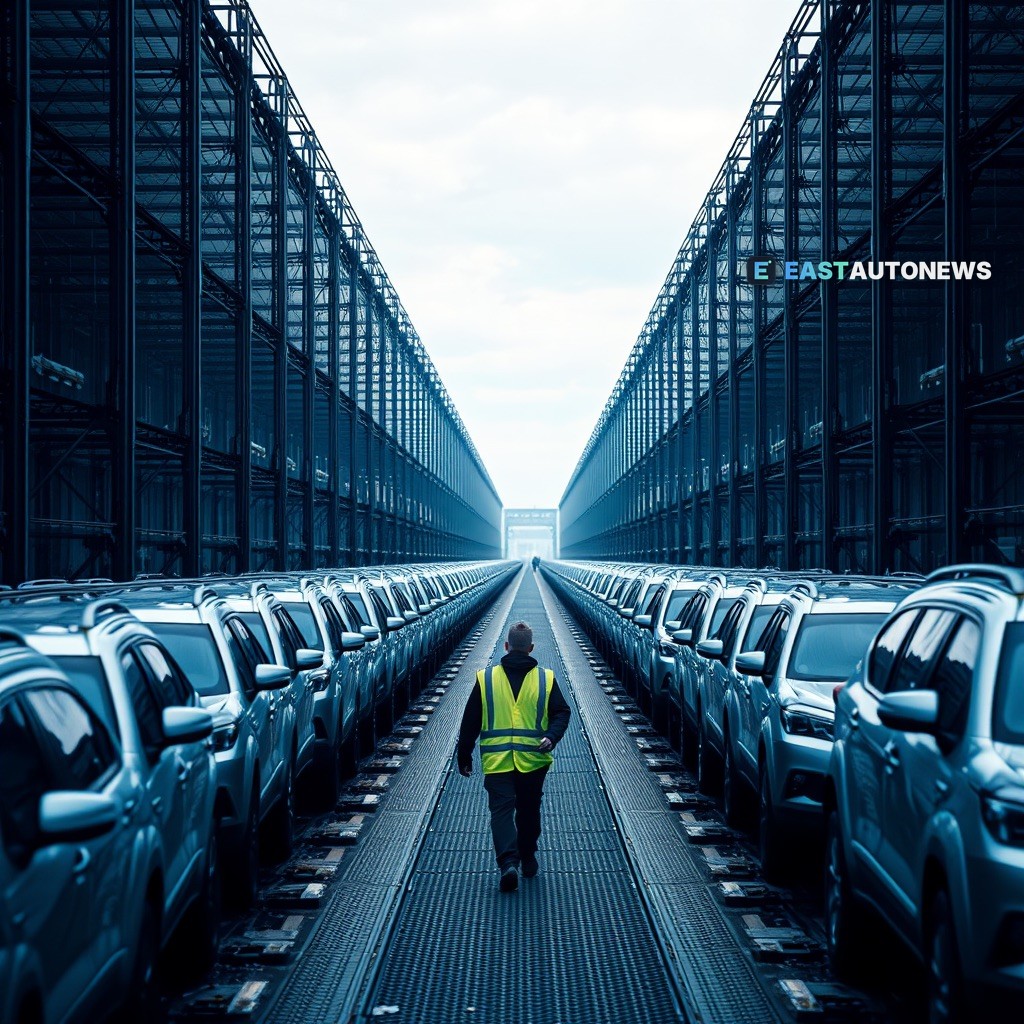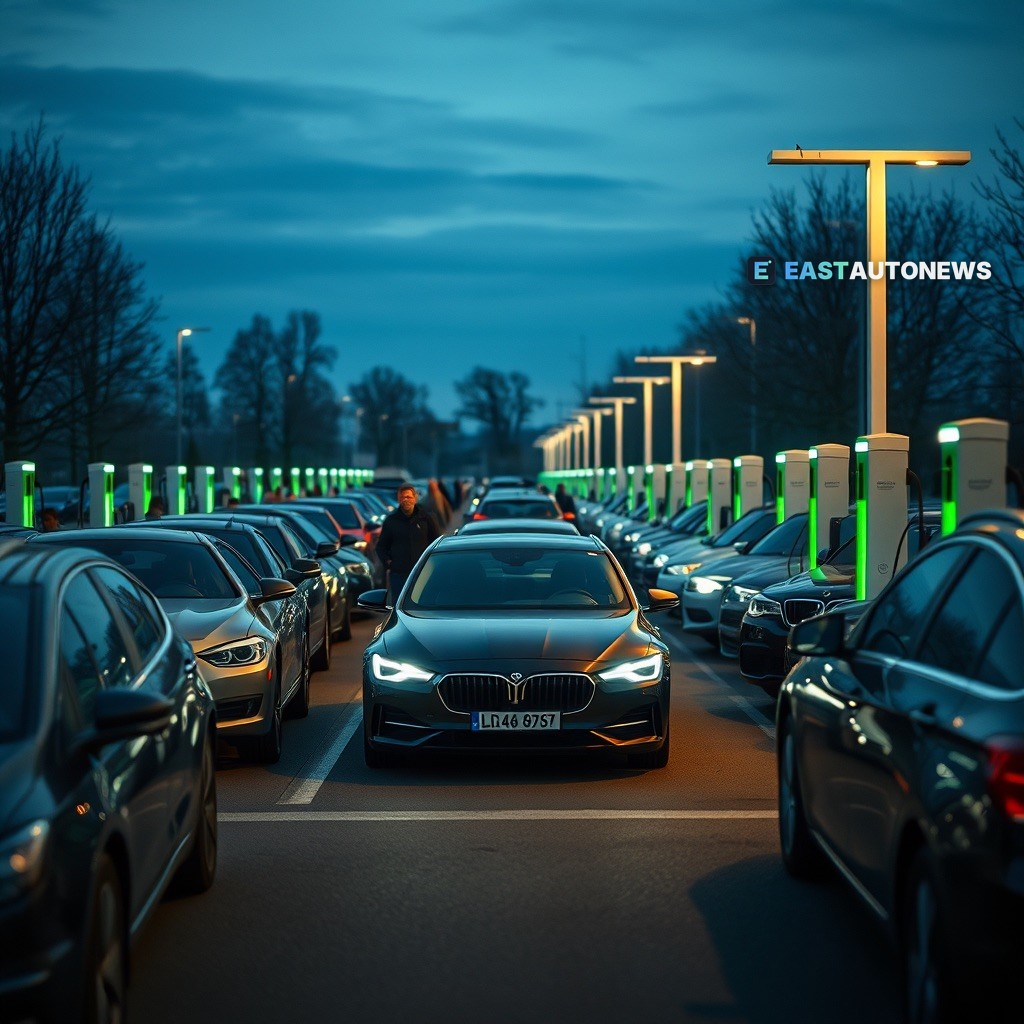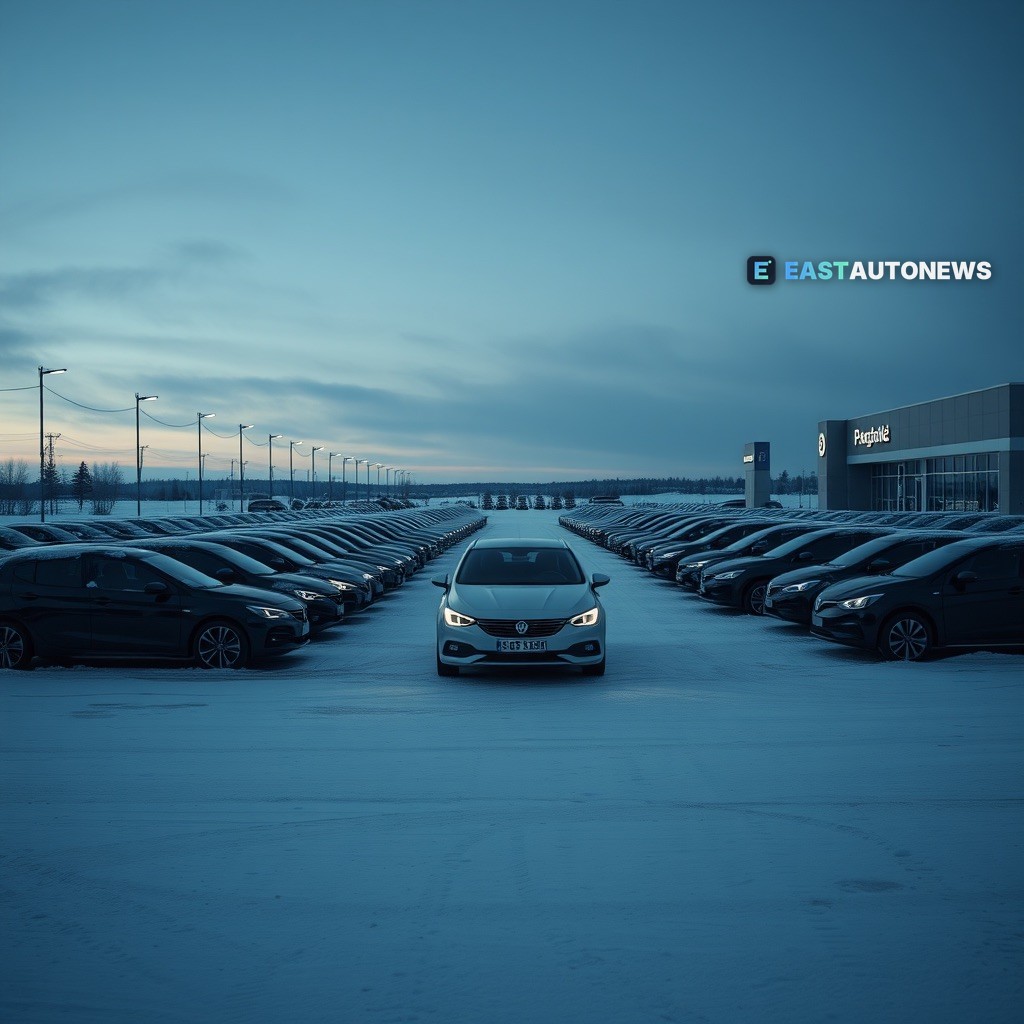
The most unsettling number in European car retail this season is the one that barely moves. Automotive consultancy Inovev, in a forecast reported by Forbes last week, projects that sales of sedans and SUVs across Europe in 2035 will land at roughly 16.7 million — barely a breath below the 16.9 million expected for 2026. A full decade of promised turmoil, and the scoreboard will look almost identical. For Lithuania's car trade, that flat line is not a promise of calm. It is a declaration of war over share.
The regional arithmetic is even starker. A global market overview from Izvestia pencils in 3.4 million units for Eastern Europe, up just 0.6 percent — a slower clip than even the United States, put at 3.5 million cars and plus 1 percent, or Canada at 1.5 million and plus 0.7. For Lithuanian dealers, importers and fleet sellers, growth measured in fractions of a percent means the pie is effectively fixed: every car sold is a car a rival did not sell.
The casualties of that arithmetic are already on the record. A fresh report from Seoul Economic Daily charts how 'Made in China' is hitting Europe and emerging markets, squeezing Hyundai and Kia. Hyundai has cut its annual sales target to 4 million vehicles from 4,158,300 and lowered its full-year consolidated operating margin target to 5.5–6.5 percent, down from 6.3–7.3 percent — a Korean giant openly rationing its ambitions. The shelf space it cedes in European showrooms will not stay empty, and Baltic distributors know exactly who is queuing to fill it.
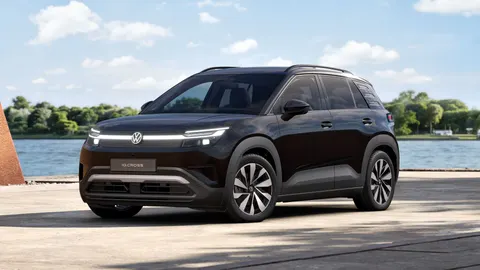
Lithuania's own sales chart shows how fast allegiance can move. Toyota now leads the country, having overtaken Fiat, with Volkswagen in third — a podium reshuffled inside a market that, on Inovev's numbers, will be no bigger in 2035 than it is today. The lesson for the Lithuanian trade is brutal in its simplicity: with volume growth effectively cancelled, share is the only growth left. Brand selection, portfolio discipline and margin management will decide who is still standing when 2035 arrives looking suspiciously like 2026.