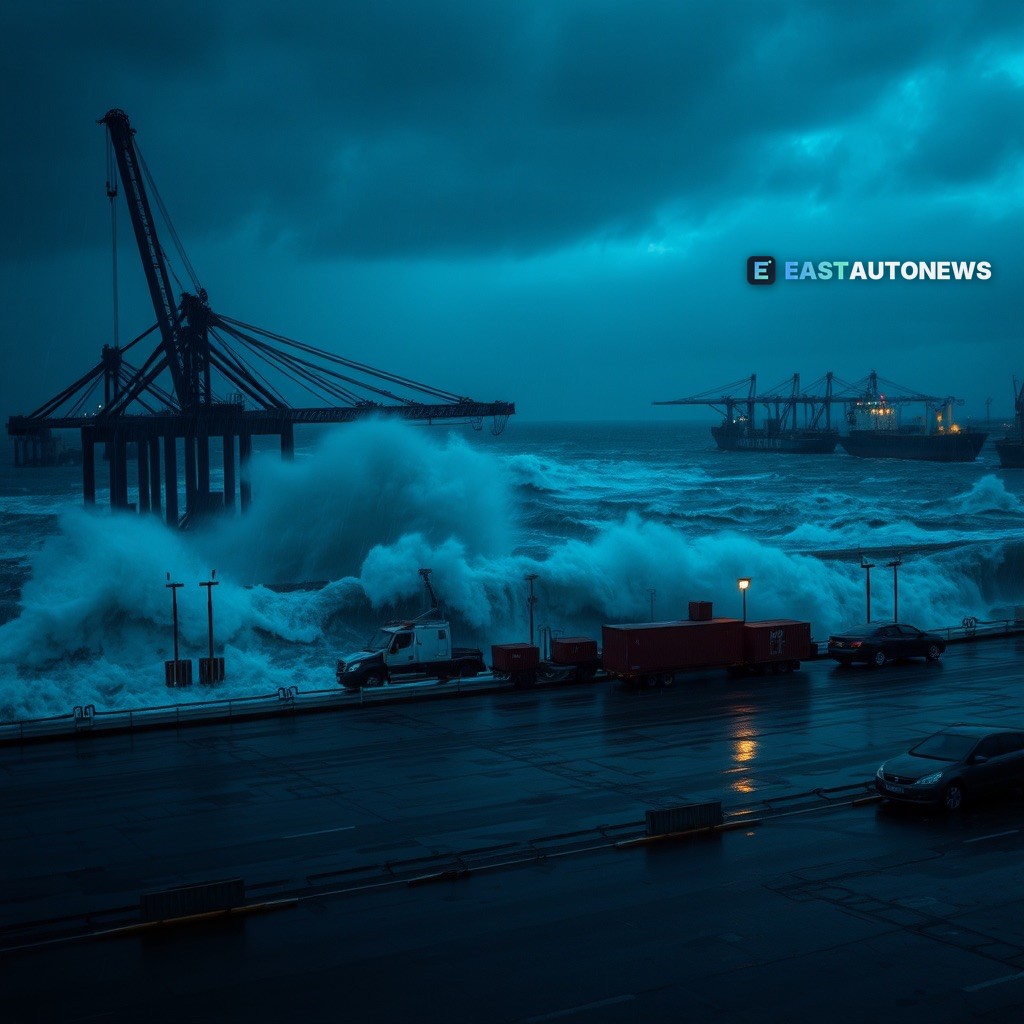
Romania has suspended operations at its Black Sea ports of Constanța, Midia and Mangalia as a severe storm swept across the coast, leaving around 30 vessels waiting for cargo operations. As of the morning of November 3, 2026, the restrictions were still in place, bringing a temporary standstill to one of the region's key maritime gateways.
The timing is uncomfortable. European supply chains are already navigating the fallout of the 2026 Strait of Hormuz crisis, which has disrupted Middle Eastern energy routes — an analysis of Kpler shipping data published by EUobserver counted 91 cargoes received by the European Union during the turmoil. Against that backdrop, industry reporting suggests free trade zones are growing more relevant in a tricky trade environment, as traders look for flexibility in how and where they move goods.
Yet the longer-term outlook for Central and Eastern European logistics remains ambitious. Announced alongside a new report on ports and free trade zones, DHL plans to invest more than €400 million through 2030 in the region, with a particular focus on Poland, a country where the company has long operated. For a corridor that has just been knocked sideways by the weather, that is a substantial vote of confidence.