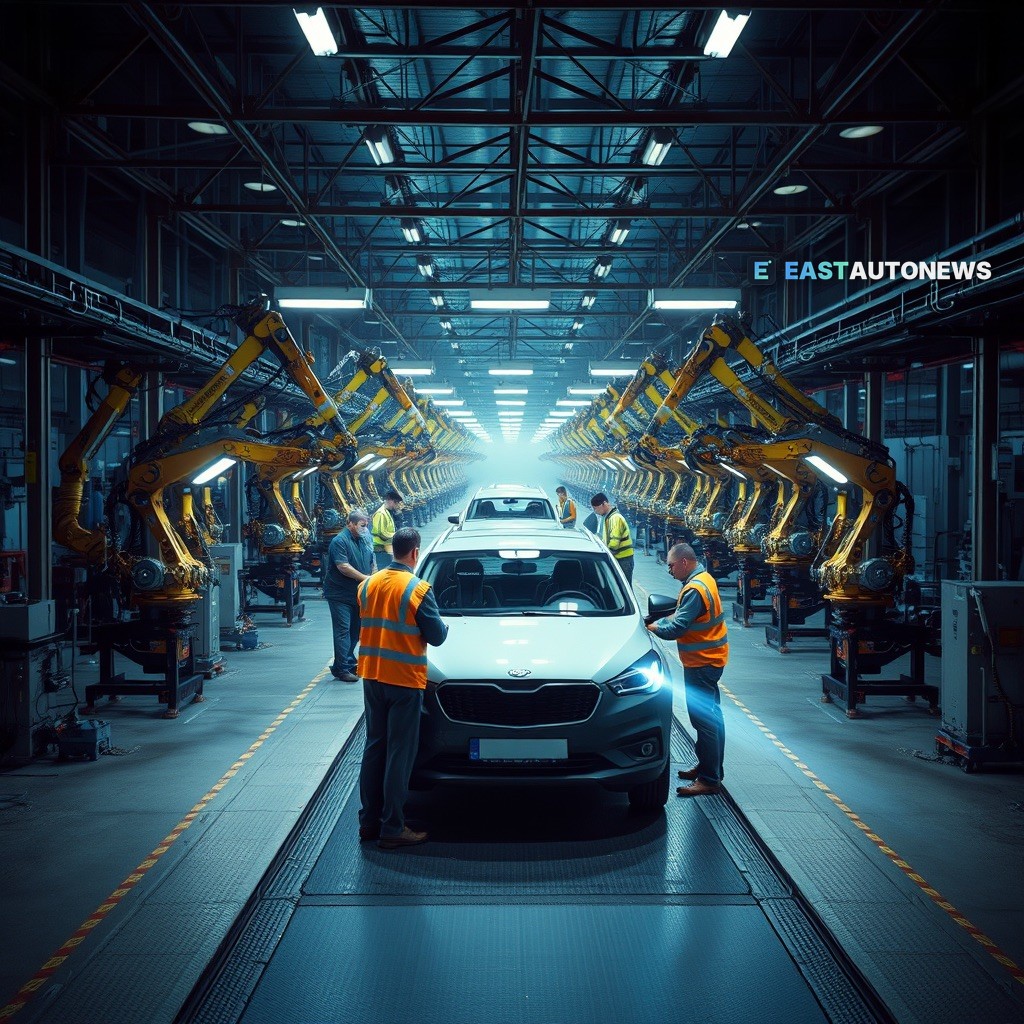
Honda is weighing a return to European car production. The Japanese carmaker's European chief said Honda might rebuild a manufacturing presence in the region, depending on the final outcome of new EU rules that would favour locally made cars. For governments and suppliers across Eastern Europe that have spent months parsing the fine print of Brussels' factory incentives, a manufacturer openly tying plant decisions to the rulebook is the clearest signal yet that the policy is pulling output toward the EU.
The policy map is shifting on Europe's eastern edge as well. Serbia's elections ended 14 years of rule by the Serbian Progressive Party (SNS) and its leader Aleksandar Vučić, a period in which the party dominated public institutions, the media and the national security services. Post-Vučić Serbia will reengage with Europe, Balkan Insight reports this week — though the outlet cautions that it will not be a honeymoon.
The new authorities have already drawn one red line: they will seek EU membership without imposing sanctions on Russia, according to reports citing Nova. That points to a bumpy accession track — a government turning toward Brussels while declining to break with Moscow. For an industry that thinks in cross-border supply chains, the trajectory matters: a candidate state that reengages with the EU widens the continent's integrated car market, while one that stalls in geopolitics keeps barriers in place.