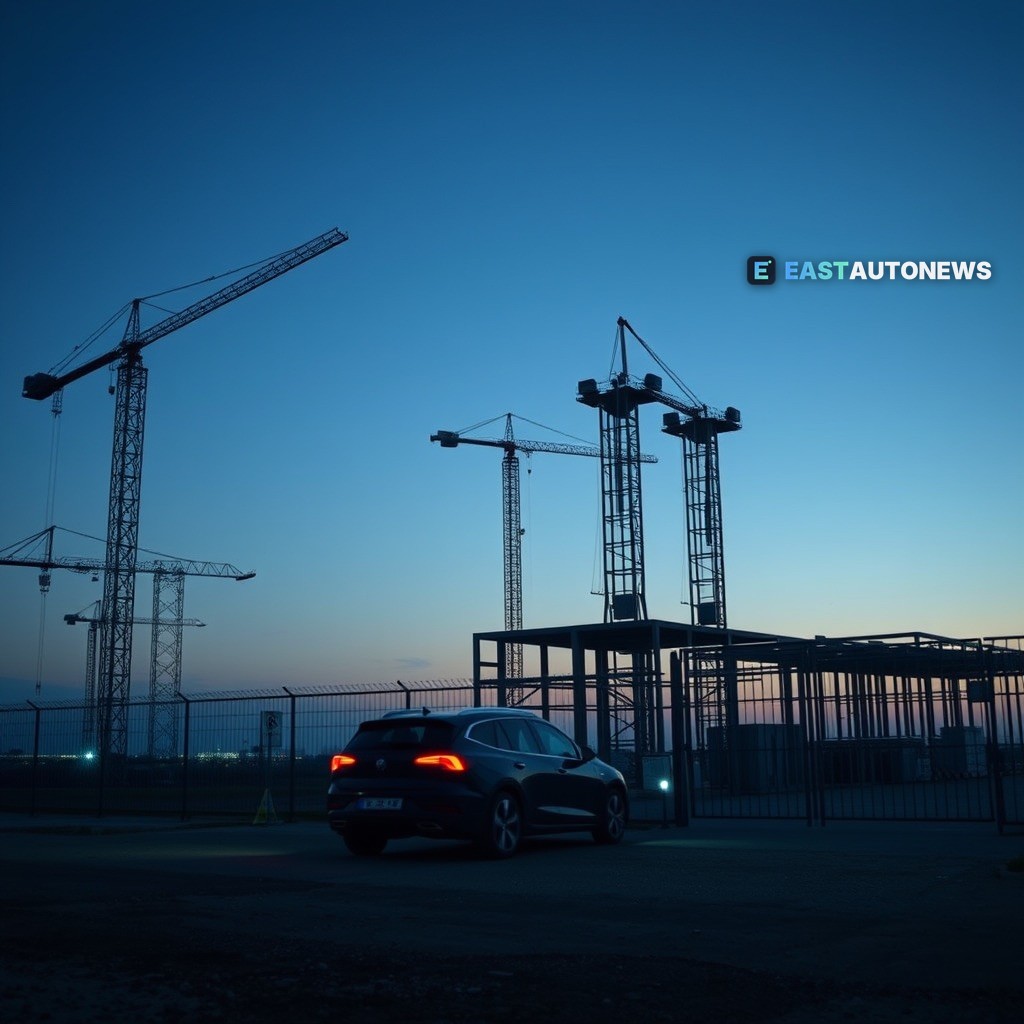
On the outskirts of Szeged, the frame of one of Europe's most closely watched car plants is rising on the southern Hungarian plain — but the state money long promised alongside it remains, formally, just a promise. The Hungarian government has pledged significant subsidies for the construction of BYD's Szeged plant, yet as Hungary Today reports, no valid contract on the disbursement of those funds has been signed. In a country that wagered its industrial future on foreign EV capital, an unsigned cheque is never just paperwork.
That wager was placed in the Viktor Orbán era. Under the former leader, Hungary positioned itself as a European hub in the battery supply chain, courting companies from China and South Korea that went on to build plants churning out components for electric vehicles. Now, as the Japan Times reported last week, a post-Orbán shakeout is rippling through the Hungarian auto industry — and Szeged's subsidy limbo lands at a distinctly delicate moment.
The stakes reach far beyond one factory. Hungary's prosperity is closely connected to international manufacturing and European supply chains, and the current turbulence raises the question Daily News Hungary frames pointedly: how prepared are Hungarian businesses for the world now taking shape? A flagship project left waiting on promised state support is precisely the kind of signal that investors — and the suppliers deciding where to put their next plant — know how to read.