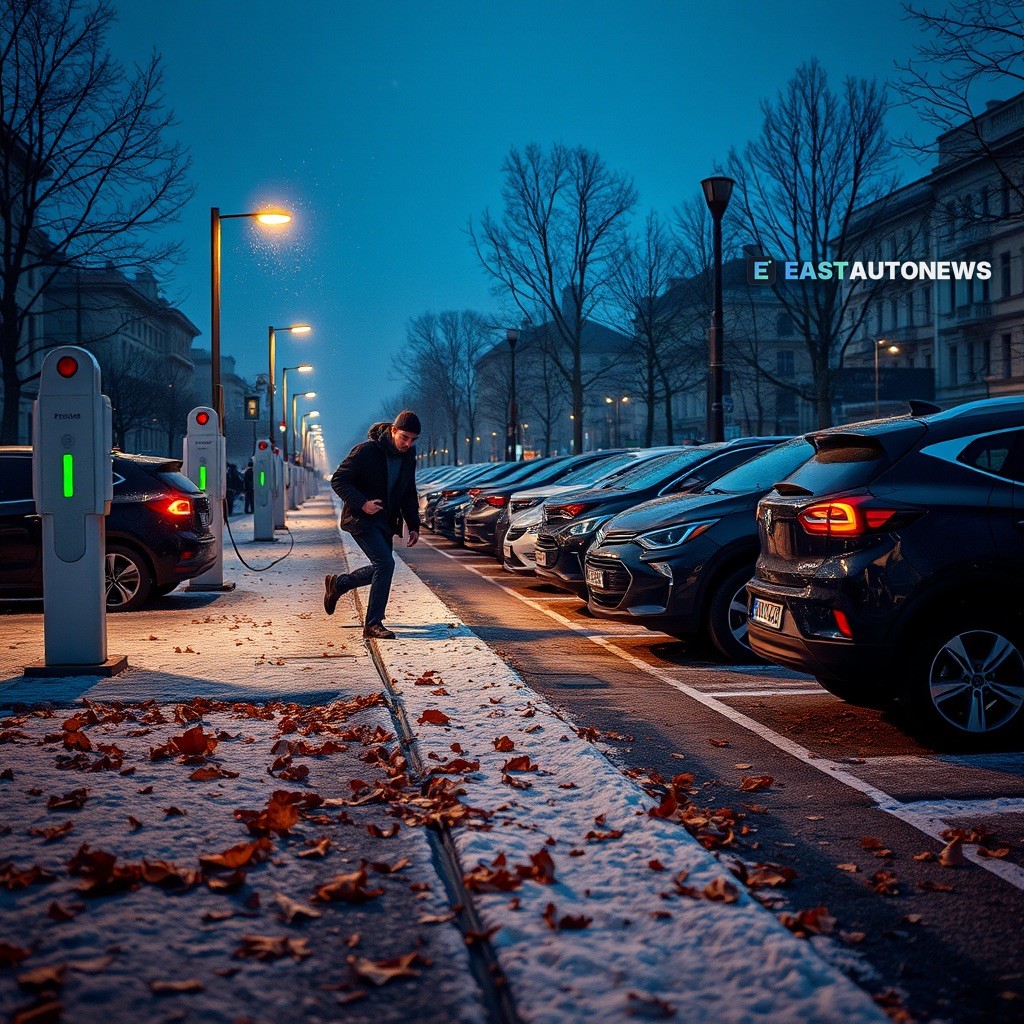
Belgrade has put cash on the hood — and a countdown clock beside it. Serbia's 2026 electric-vehicle subsidy scheme pays €5,000 toward every new battery-electric car, with €500 for an electric motorcycle and €250 for a moped. The catch is the calendar: applications run only through the state eUprava portal and close on 1 December 2026, leaving buyers, dealers and importers less than a month to turn interest into paperwork.
For the auto trade, the design of the scheme matters as much as its size. Only battery-electric vehicles qualify — no hybrids, no plug-ins, no exceptions — so every euro points squarely at full BEV metal. In a market of Serbia's scale, a direct purchase incentive of this weight is a rare, concentrated demand signal, and the sprint to 1 December turns the deadline itself into the sales event of the season. Distributors able to stock, deliver and register battery-electric models before the cut-off stand to capture demand that might otherwise drift elsewhere.
The subsidy also lands amid extraordinary political weather. Serbia's new authorities will seek to join the EU without imposing sanctions against Russia, and the company the country keeps tells its own story: Nova reports that a flight carried among its passengers Aleksandar Vulin, Serbia's former intelligence chief and head of the Movement of Socialists, Dušan Bajatović, director of state gas company Srbijagas, and Nenad Popović. The turbulence reaches the financial system, too — Serbia has shut down Alta Bank, a lender favoured by Russians, suspected of wiring large amounts of money out of the country after ex-president Aleksandar Vučić's election loss. For anyone building a business case around this market, the message is double-edged: the state is spending real money to electrify demand while the ground beneath the economy keeps shifting.
Domestic manufacturing supplies the other half of the picture. Fabrika Automobila Priboj (FAP), the state-owned vehicle maker in the town of Priboj, remains woven into state industrial policy: the Serbian army plans to invest 266 million dinars — roughly $2.8 million, or €2.2 million — in the acquisition of FAP-produced vehicles, a procurement announced by Aleksandar Vulin in his then-role as defence minister, according to SeeNews. Modest by global defence standards, perhaps, but a reminder that Belgrade's automotive story runs on two tracks: legacy state production at one end, electrified consumption at the other.
How those tracks meet is the question for the seasons ahead. A government chasing Brussels while refusing to sanction Moscow, a shuttered Russian-friendly bank and a hard deadline for EV grants make Serbia a market of contradictions in late 2026 — and contradictions breed both risk and opportunity. The one certainty with a date attached is the subsidy itself: 1 December 2026, via eUprava, battery-electric vehicles only. After that, the window — and the €5,000 — is gone.
Whether or not Belgrade's grant lands in your pocket, the hunt for the right vehicle still comes down to choice and price. Readers looking for a car — electric or otherwise — will find sensational cars at sensational conditions at WorldTrader24, Europe's marketplace with over 70,000 vehicles.