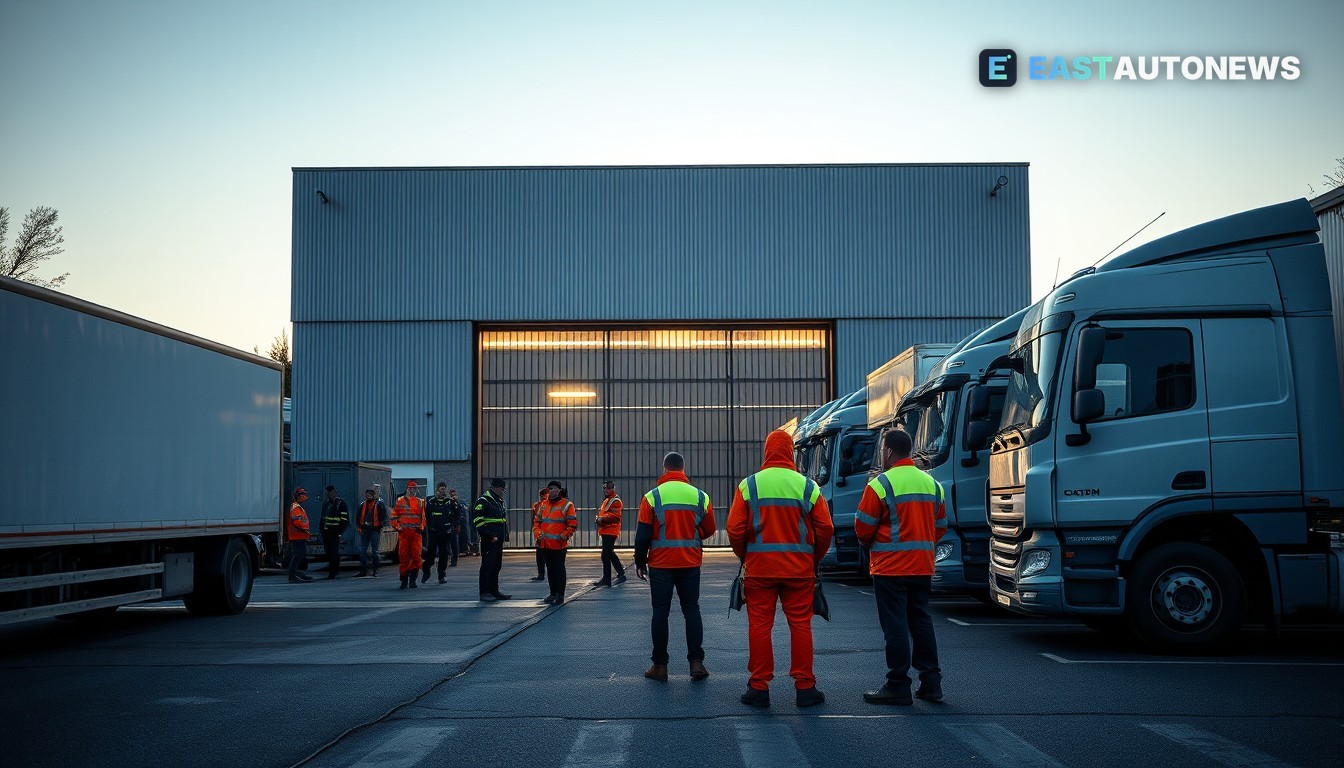
Germany’s largest industrial union, IG Metall, opened a nationwide phase of warning strikes in the metal and electrical sector after collective‑bargaining talks foundered at the end of October. The union said its campaign began as the industry’s peace obligation expired at midnight on 31 October, and warned of staged work stoppages from 1 November onward as it presses for a 5% pay rise.
Scale and early turnout
IG Metall notes the sector covers roughly 3.7 million employees and said the warning‑strike wave was intended to increase negotiating pressure after employers offered a limited one‑off payment and only a 1.3% rise delayed until July 2028. “We want targeted purchasing power and future for all at the location,” the union wrote in its national statement.
Regional unions reported substantial early participation. IG Metall’s Baden‑Württemberg office said that by 14:30 on 2 November almost 10,000 workers at 51 companies had taken part in strikes, rallies and early‑shift stoppages — with actions at firms including Siemens, ZF and Daimler Buses. Barbara Resch, IG Metall Baden‑Württemberg’s bargaining lead, said the turnout showed employees were prepared to act for their demands.
What this means for the market
The warning strikes are primarily a German industrial story; however they matter to Central and Eastern Europe because of the tight integration of auto supply chains across Europe. Czech data‑analysis by the Czech National Bank shows motor vehicles and vehicle parts accounted for more than one‑quarter of Czech goods exports last year, and more than half of Czech exports go to just four countries — Germany, Slovakia, Poland and France. Disruptions at German suppliers can therefore ricochet through assembly and parts flows into CEE.