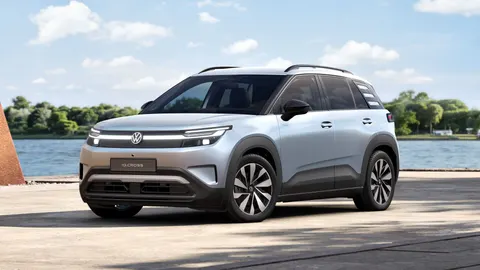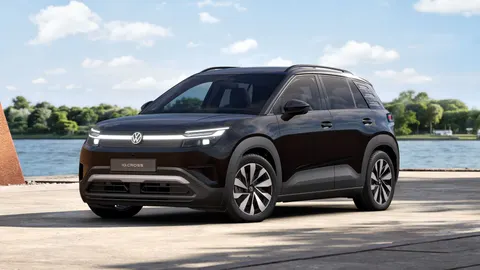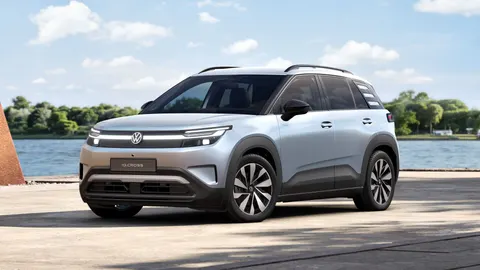
There is a new name on the forecourts of Zagreb. EBRO, the revived Spanish brand, has officially begun commercial activity in Croatia with the opening of its first dealership in the capital — the latest step in a market-by-market push that is quietly redrawing the map of European vehicle distribution. For importers, dealers and logistics operators across the region, the message is clear: the race for Central and Southeast European sales territory is far from over.
The Croatian debut is built on a classic trade formula: find a committed local partner, then let the agreement travel. The deal that put EBRO into Zagreb will also carry the brand into neighbouring Slovenia in 2027, following earlier market openings that include Portugal. And the company is not done signing. “We are still looking for new importers,” EBRO has made plain, signalling that its expansion runs on an importer-led model rather than costly, wholly owned networks — a lean approach that turns distribution agreements into the brand's most valuable currency.
The timing is no accident. New-car sales in China's vast domestic market have fallen sharply, and the fallout is being felt worldwide: Chinese automakers are aggressively stepping up exports and pushing harder into European markets, squeezing incumbents and newcomers alike. In that environment, a reborn European marque lives or dies by how quickly it can secure shelf space — showrooms, service networks and spare-parts flows — before the competition floods the zone. Croatia, a compact but strategically placed EU market sitting on the region's main trade corridors, offers exactly the kind of beachhead that makes a wider regional push credible.