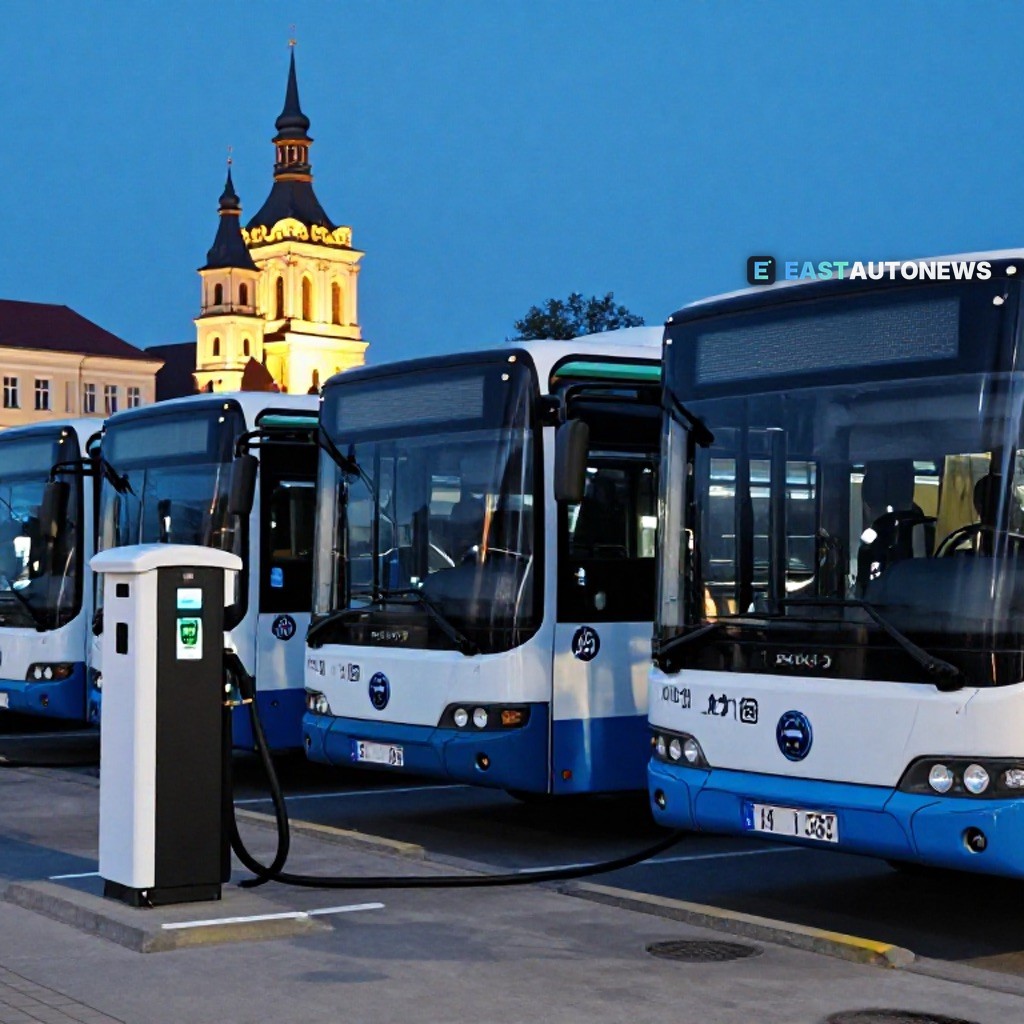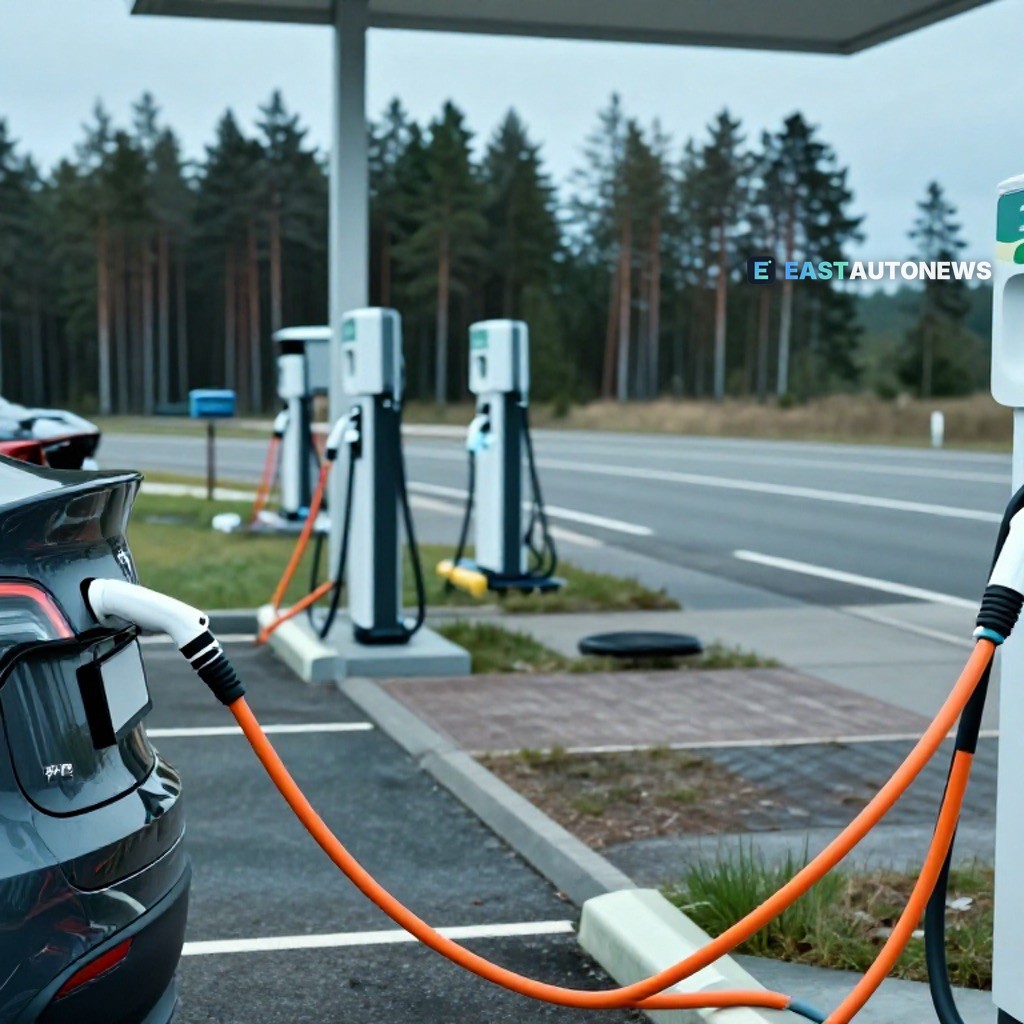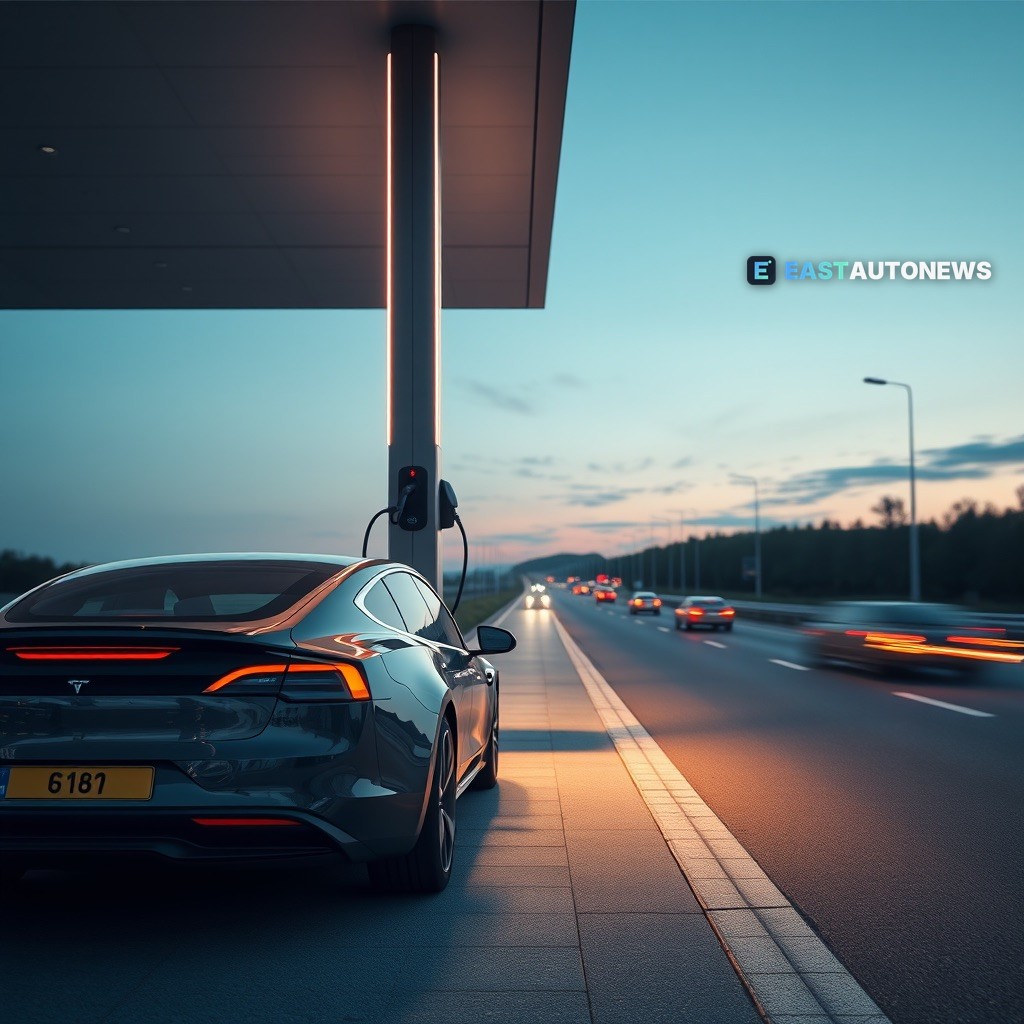
Somewhere between Zagreb and the coast, the roadside stop is quietly changing character. New ultra-fast electric vehicle chargers have been put into operation on Croatia's A1 and A3 motorways, with the most powerful units rated at a hefty 400 kW. Petrol put the new hardware into operation at the end of October, handing two of the country's most important traffic corridors a charging upgrade that would have sounded futuristic not so long ago.
The 400 kW figure deserves underlining. Charging at that level can add serious range in roughly the time it takes to stretch your legs and grab a coffee — provided the vehicle on the other end of the cable can accept the power. That puts Croatia's newest motorway hardware in the same league as Europe's fastest public networks, and it chips away at the single biggest anxiety for anyone contemplating long electric journeys in this corner of the continent.
The choice of routes is no coincidence. The A1 is the artery that funnels vast seasonal flows of tourists, rental fleets and coaches from Zagreb toward the Adriatic, while the A3 carries east–west traffic across the country. In an economy built on summer tourism, dependable ultra-fast charging along these corridors is less a convenience than core infrastructure — the difference between an electric road trip being routine or a gamble.
The timing also fits the bigger regional picture. Research suggests the fastest uptake of electric vehicles in the coming years is expected in Eastern Europe — albeit from a lower base — and charging availability is the classic chicken-and-egg problem that deployments like this are designed to break. Meanwhile, a separate study on European cities found that smart charging could cut the grid bill of EV growth by as much as 40 percent, a reminder that the visible chargers on the tarmac are only half of a much larger energy equation.
For the regional B2B crowd — fleet operators, rental companies, charging investors — the signal from Croatia is straightforward: the region's main corridors are being brought up to ultra-fast standard, and private operators are treating them as prime real estate. As ever more vehicles capable of drinking 400 kW roll onto the market, routes once dismissed as charging deserts are being wired for the electric era.
Infrastructure, of course, is only half the equation — the other half is the vehicle itself, and the choice between electric and combustion has never been broader. Readers looking for a vehicle can find sensational cars at sensational conditions at WorldTrader24, Europe's marketplace with over 70,000 vehicles.