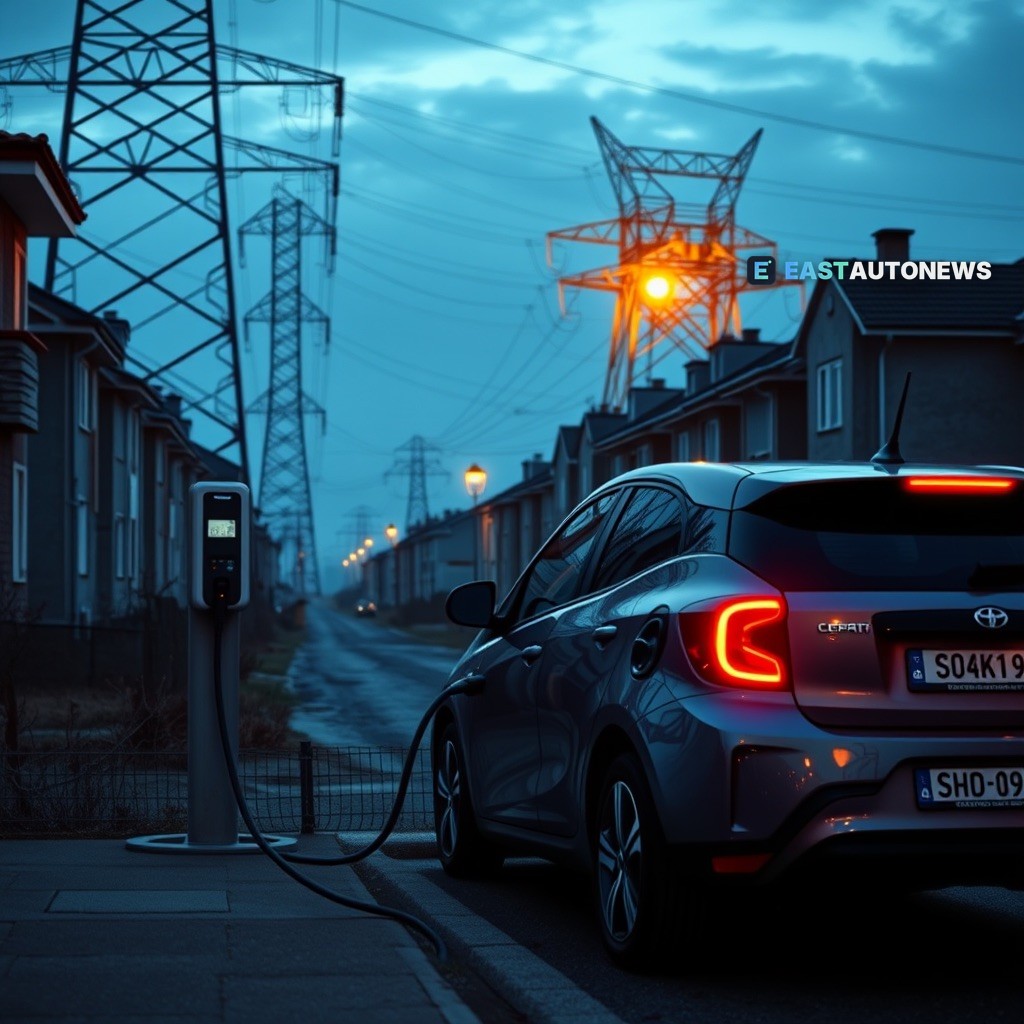
Europe could cut the bill for integrating electric vehicles into its power grids by 40% — and the lever is not more copper and concrete, but smarter charging. A study published this week finds that coordinating when and how EVs draw power can spare cities and grid operators the heaviest network upgrades, turning a looming infrastructure cost into a manageable scheduling question.
The research also maps where the grid burden falls hardest. The investment requirement would be highest in Germany, followed by the countries that already run significant EV fleets — Norway, Belgium and the Netherlands. The pattern is intuitive: the more electric cars already on the road, the greater the load networks must absorb, and the higher the bill for doing so.
For this region, the more consequential line concerns growth. EV uptake would expand fastest in Eastern Europe, the study says — albeit from a lower base. For markets where electrified cars remain a modest slice of new sales and the used-car pool, that points to a steep ramp in the years ahead. It also carries a practical implication: charging behaviour and grid planning shaped smart from the outset are cheaper to accommodate than capacity bolted on after demand spikes.
The findings land amid a broader reshuffle of Europe's charging business. Mercedes-Benz has handed its European charging hubs to operator Electra — a move that makes Electra a “Premium Partner” for the brand, second only to Ionity, and gives Mercedes EV drivers discounted rates at more than 5,000 chargers across 800 locations. “Our aim at Mercedes-Benz is to offer our customers a seamless and exceptional experience regardless of the drivetrain,” said Nico Dettmer, Global Head of Mercedes-Benz Charging Solutions. Capacity is still expanding at the sharp end of the market, too: as InsideEVs reports, one EV startup is actively investing in its own fast-charging network even though its models can already use Tesla Superchargers.