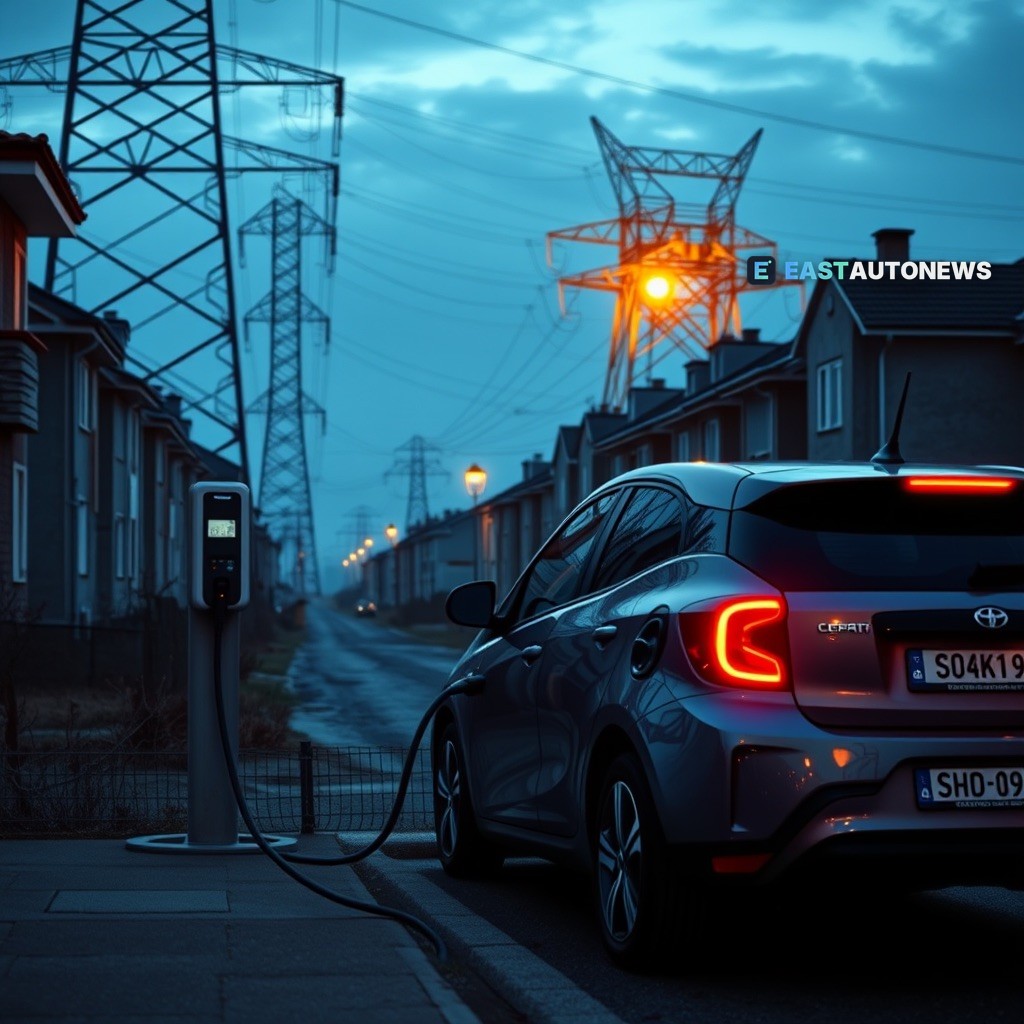
European cities could cut the grid bill created by growing electric vehicle fleets by 40 percent through smart charging, according to a new study reported this week. Rather than reinforcing power networks to meet every conceivable peak in demand, the research argues that coordinating when and how EVs draw electricity can flatten consumption and defer costly infrastructure spending. For local authorities and utilities watching plug-in numbers climb, the finding reframes charging behaviour as a controllable asset rather than a burden.
The savings are not distributed evenly across the map. According to the study, the investment requirement is highest in Germany, followed by countries that already operate significant EV fleets — Norway, Belgium and the Netherlands. In these mature markets, the sheer volume of electric cars on the road makes grid reinforcement the most expensive line item, which is precisely where managed charging can recover the largest share of the costs.
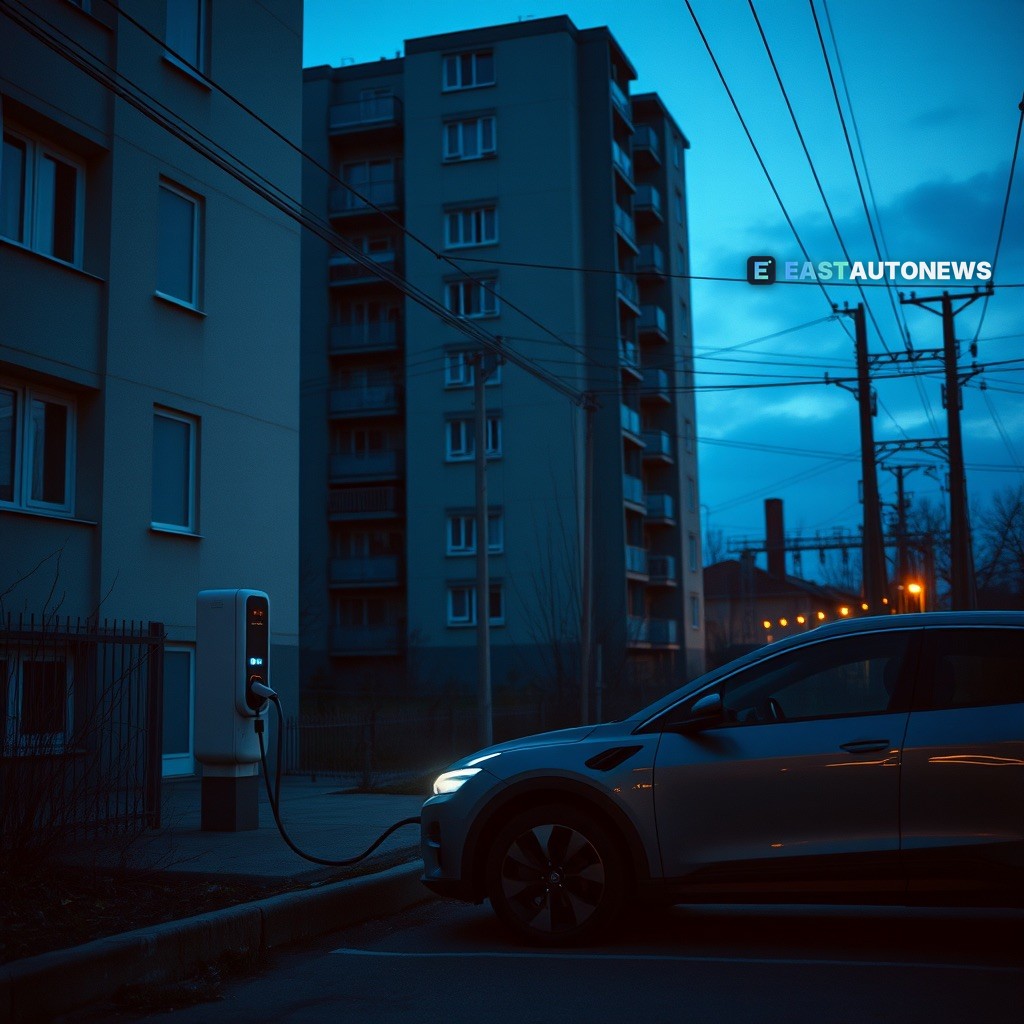
The more consequential signal for this region lies in the growth curve. The study expects the fastest uptake of electric vehicles in Europe to come in Eastern Europe, albeit starting from a lower base. That combination of rapid growth and a small existing fleet offers the region a structural advantage: municipalities, utilities and fleet operators can integrate smart charging from day one instead of retrofitting grids at great expense, as Western European markets are now being forced to do.