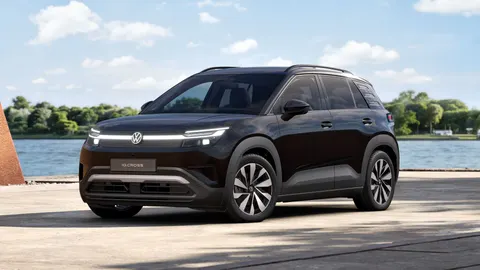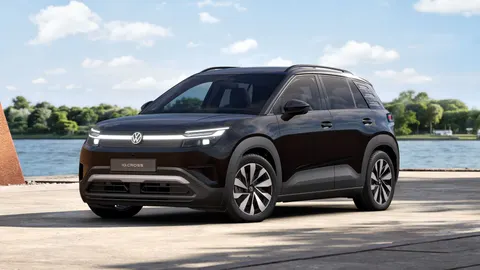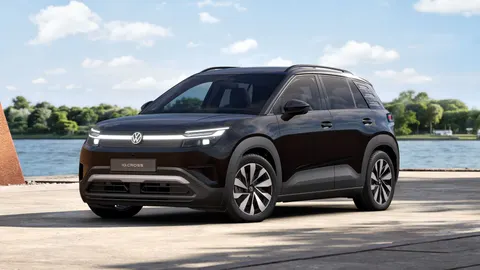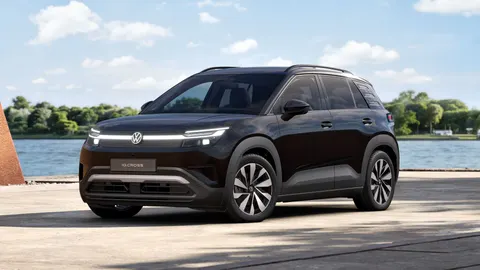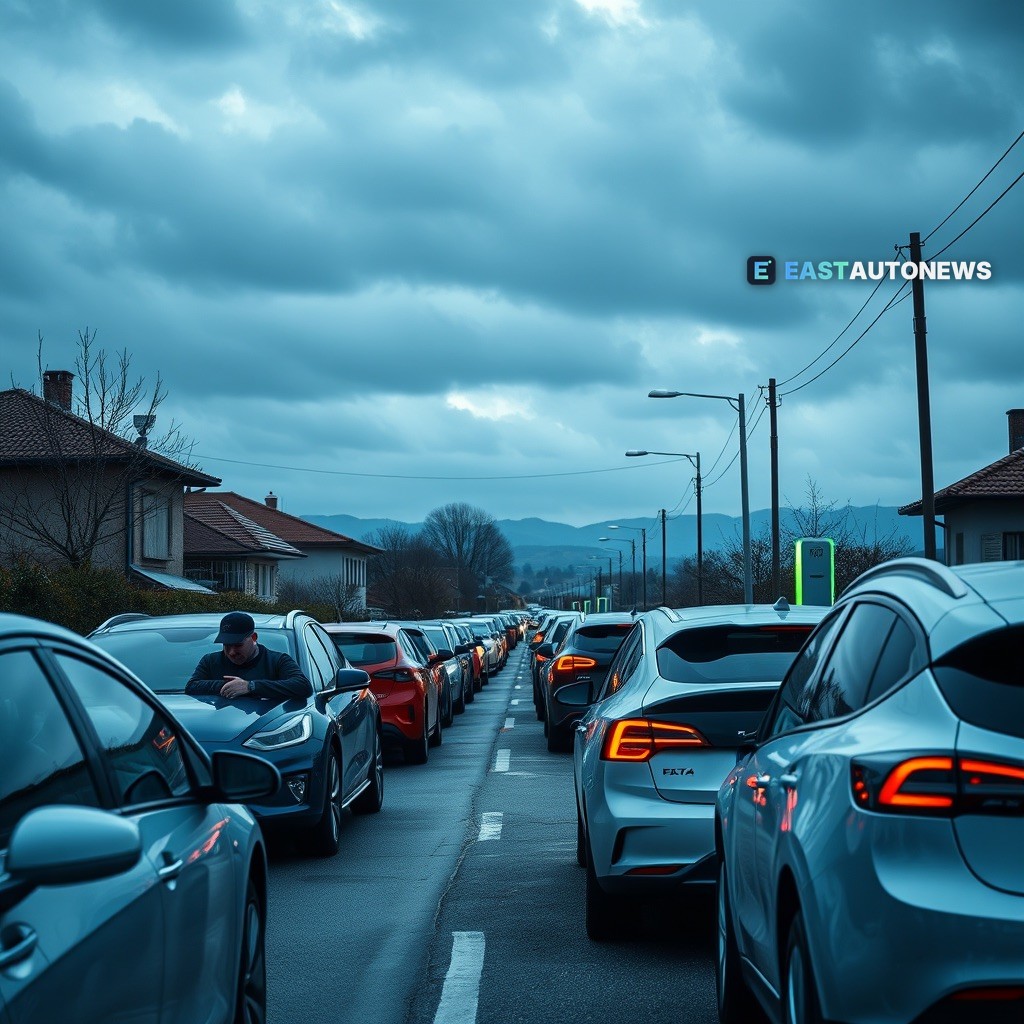
Forty electric cars for every public plug — that is the stark arithmetic now defining Serbia's car market. EV registrations jumped 300% this year, swelling the national fleet to roughly 10,000 electric vehicles, yet only 250 public chargers stand ready to serve them, as reported by SDEX Courier. It is one of the sharpest adoption curves in the region, and a ratio that would strain any network.
Experts cited in the report are blunt: infrastructure must keep pace, or the boom risks stalling at the very moment momentum matters most. For fleet operators, delivery firms and dealers betting on electrification in Serbia, the bottleneck is no longer the vehicle — it is the plug. Queues at chargers, and the range anxiety they breed, are fast becoming the real brake on growth.
Serbia's surge fits a wider pattern. A study published this week found that Europe could cut its EV-related grid bill by 40% through smart charging, and projected that the fastest uptake of electric vehicles will come in Eastern Europe — starting from a lower base. The heaviest investment requirements, it notes, fall on Germany, followed by Norway, Belgium and the Netherlands, the countries already carrying large EV fleets. For Belgrade, the implication is clear: the playbooks exist, and the costly mistakes of the first movers can be skipped.
Relief is arriving along the corridors that link Serbia to its export markets. Croatia has put new ultra-fast chargers into operation on its motorways, and energy group Petrol plans a total of 98 charging points at 22 locations across the two countries covered by the project — capacity partly reserved for electric freight vehicles. For Serbian logistics firms routing goods toward Central Europe, the highway charging map is filling in even as the domestic network trails the registration curve.