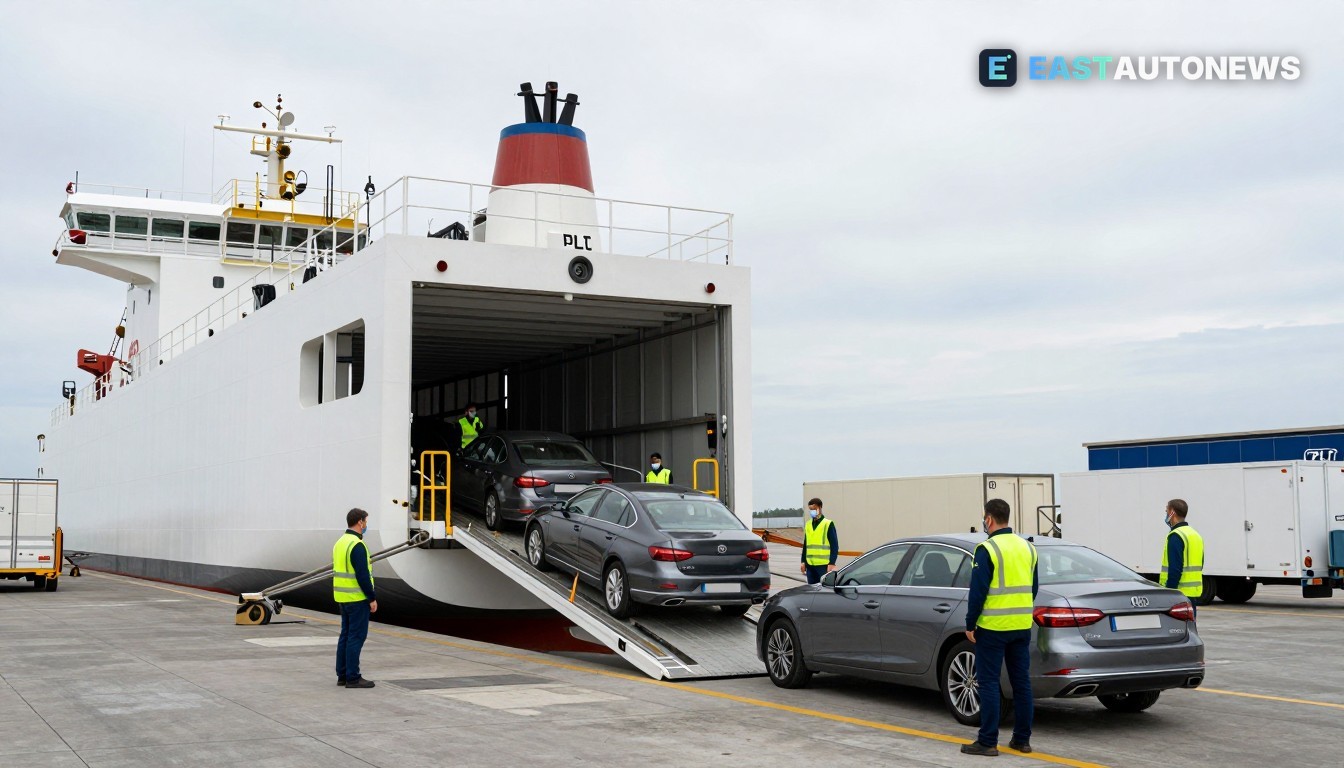
On November 6, 2026 the Administrative Court (TAR) of Friuli‑Venezia Giulia granted an urgent suspension of Port Authority Order No. 24/2026, blocking a measure that would have reassigned two weekly DFDS roll‑on/roll‑off (Ro‑Ro) calls from the HHLA PLT logistics platform to the Samer Riva Traiana terminal for a 12‑week trial. The court’s single‑judge order freezes the authority’s change of berthing pattern until the chamber hearing set for December 2, 2026.
What the port order said and why it mattered
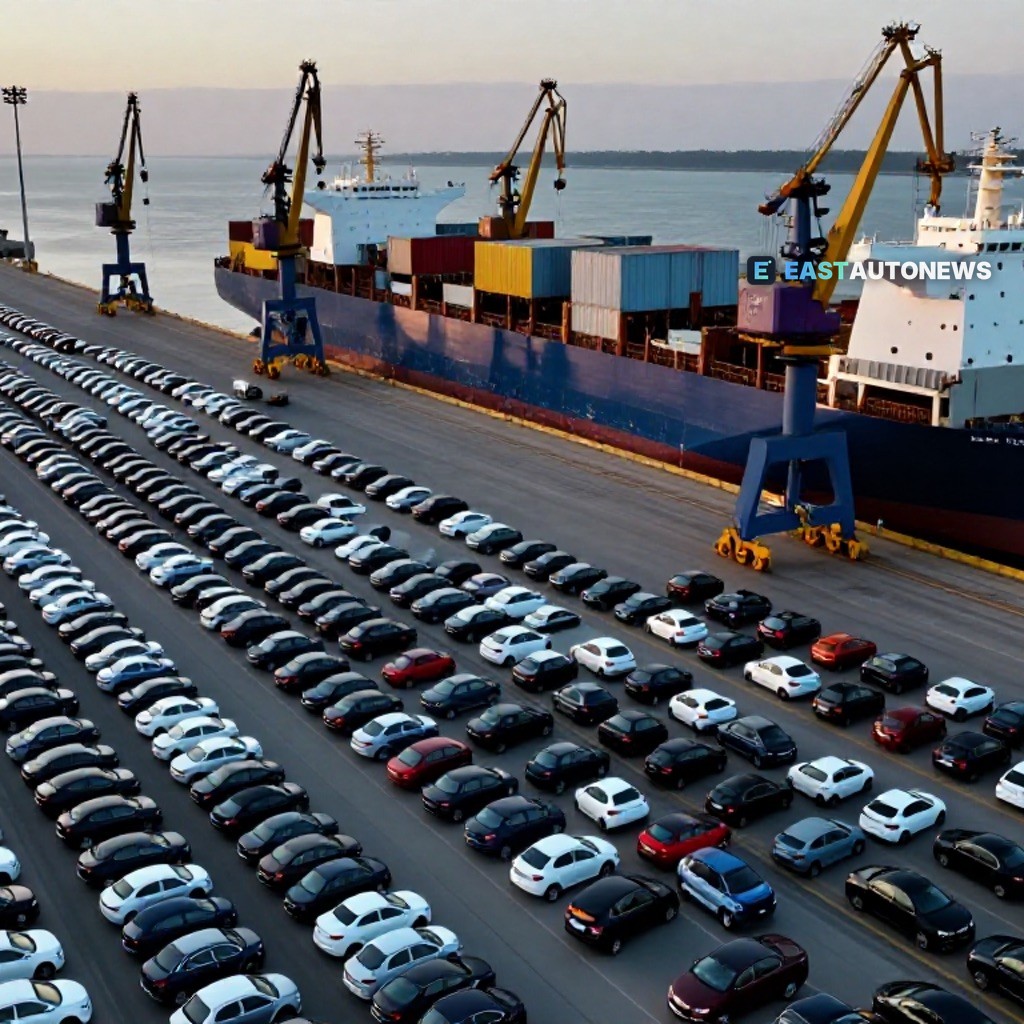
The port authority adopted Decree 24/2026 on 28 October 2026 and intended the measure to start on 1 November; its stated aim was to “prevent congestion” of road access and reduce pressure on Ro‑Ro terminal logistics by temporarily moving two DFDS sailings to another terminal. The authority’s technical papers cited a sharp rise in traffic at PLT: weekly average unit movements rose from about 1,986 in 2024 to 3,649 in the period 18 July–18 October 2026 (an increase of roughly 84%), figures used to justify the trial redistribution.
DFDS challenged the decree and asked for urgent relief. In its procedural filing the carrier noted existing services at both PLT and Samer and highlighted operational and commercial implications of the forced shift. The TAR’s interim measure accepted DFDS’s application and ordered suspension of the port authority’s transfer requirement pending full review on December 2.
Why CEE car logistics are watching
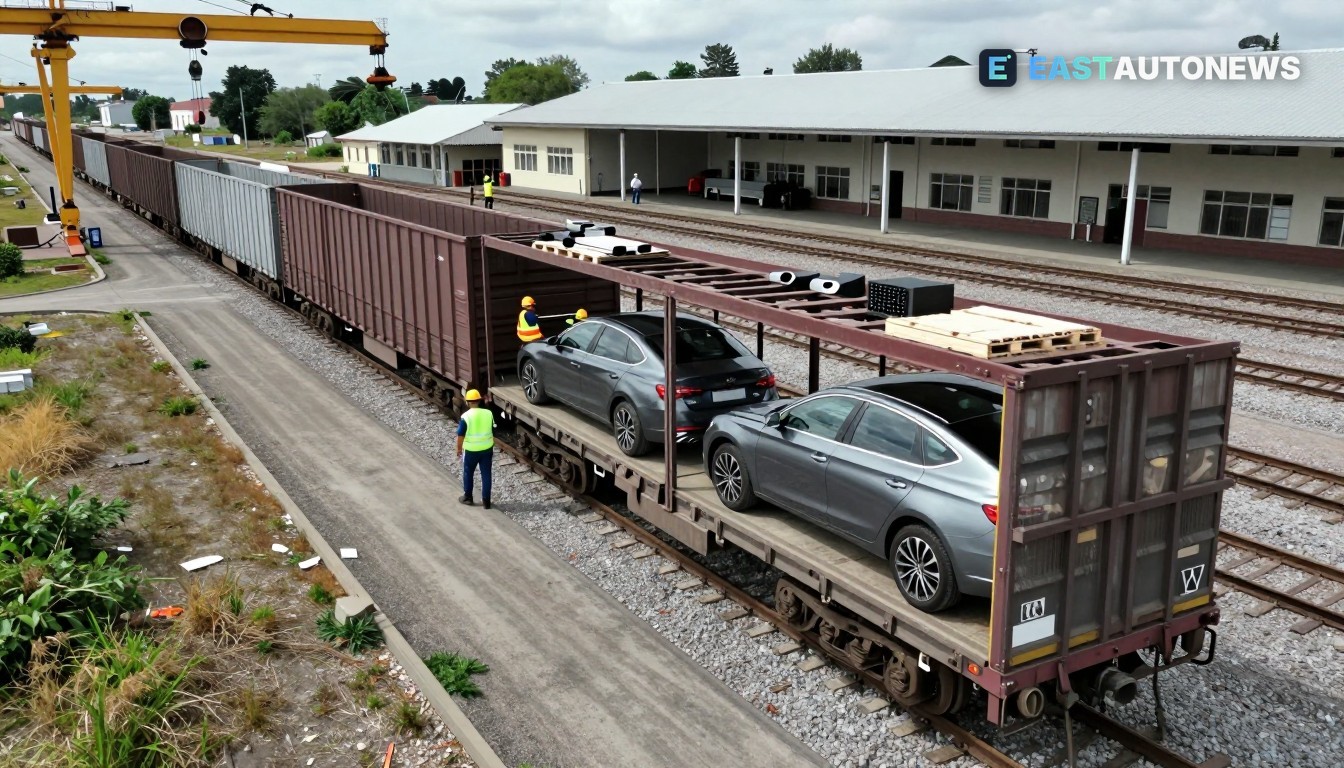
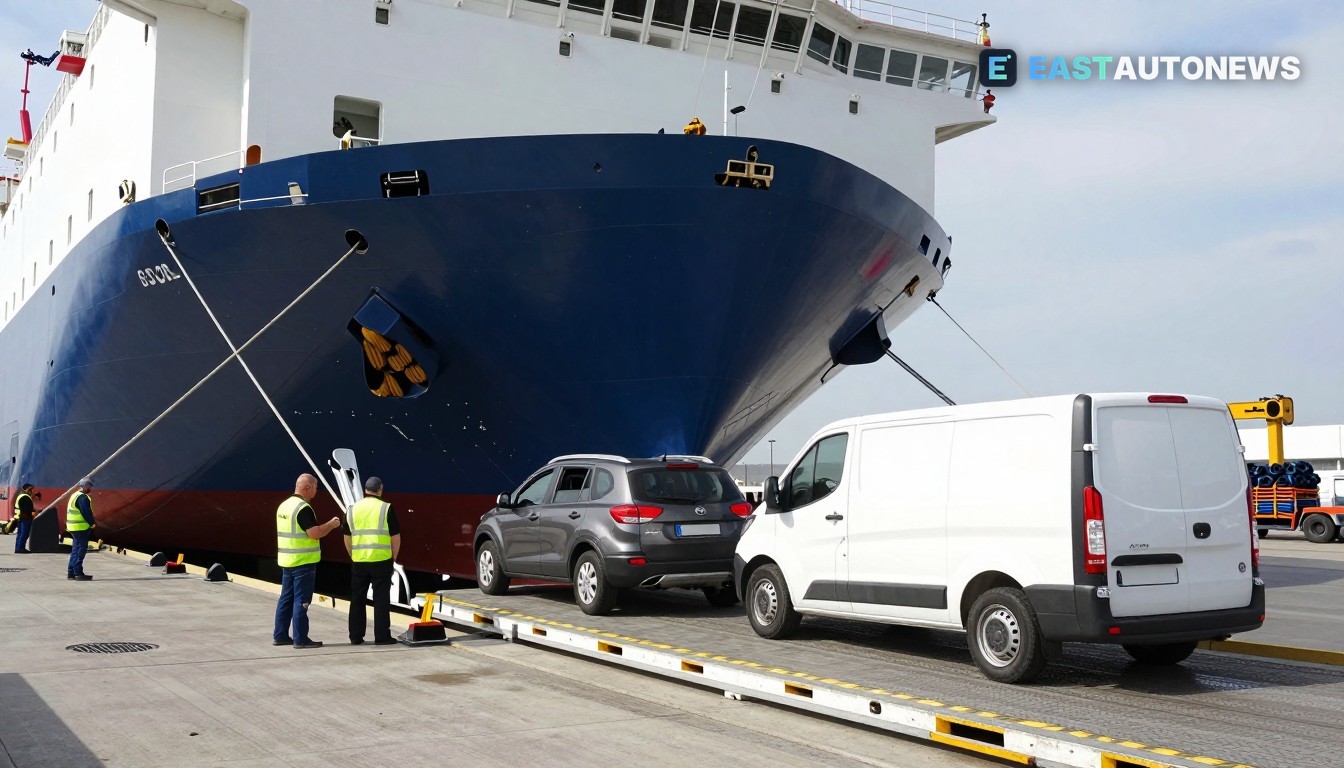
Trieste is a strategic Adriatic gateway for Ro‑Ro traffic linking the eastern Mediterranean and Turkey with Central and Eastern Europe. DFDS operates a Mersin–Trieste Ro‑Ro connection that moves rolling cargo — including passenger cars and light commercial vehicles — into hinterland rail and road links that feed CEE vehicle markets and factories. Any forced rerouting of calls could change dwell times, add road miles and complicate onward rail connections used by automotive logistics providers.
What this means for the market
For vehicle makers and logistics service providers that rely on fast, predictable Ro‑Ro schedules into the northern Adriatic, the TAR decision preserves the status quo at least until December 2, 2026. That reduces short‑term disruption risk to door‑to‑door supply chains moving finished cars and rolling components via PLT. But the port authority’s traffic data — and its motive to rebalance terminal loads — underline continuing capacity tensions at Trieste that could resurface if volumes keep rising. Operators and OEM logistics teams will be watching the December hearing closely for a ruling that could reshape berth allocations and regional Ro‑Ro routing for 2027.
Transporter listings for dealers on WorldTrader24 →
Sources: Blueconomy, Shipping Italy, Assoporti, Port of Trieste document, DFDS route information.