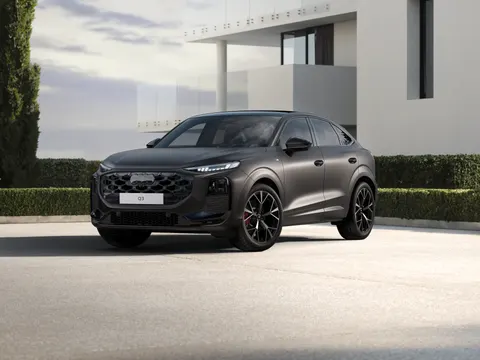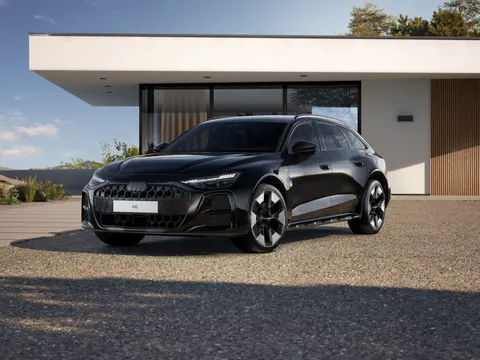
Eastern Europe has become a heavyweight destination in Geely's global playbook. The Chinese carmaker's shipments to the region have surpassed 170,000 units, up 114%, according to figures reported by Gasgoo — putting the region in the same volume league as ASEAN, which took more than 170,000 vehicles (+145%), and just behind Latin America and Africa on 180,000-plus (+236%). The numbers trace what Gasgoo describes as Geely's path of “borrowing factories” on the road overseas, and they show how firmly Central and Eastern Europe is now written into Chinese export planning.
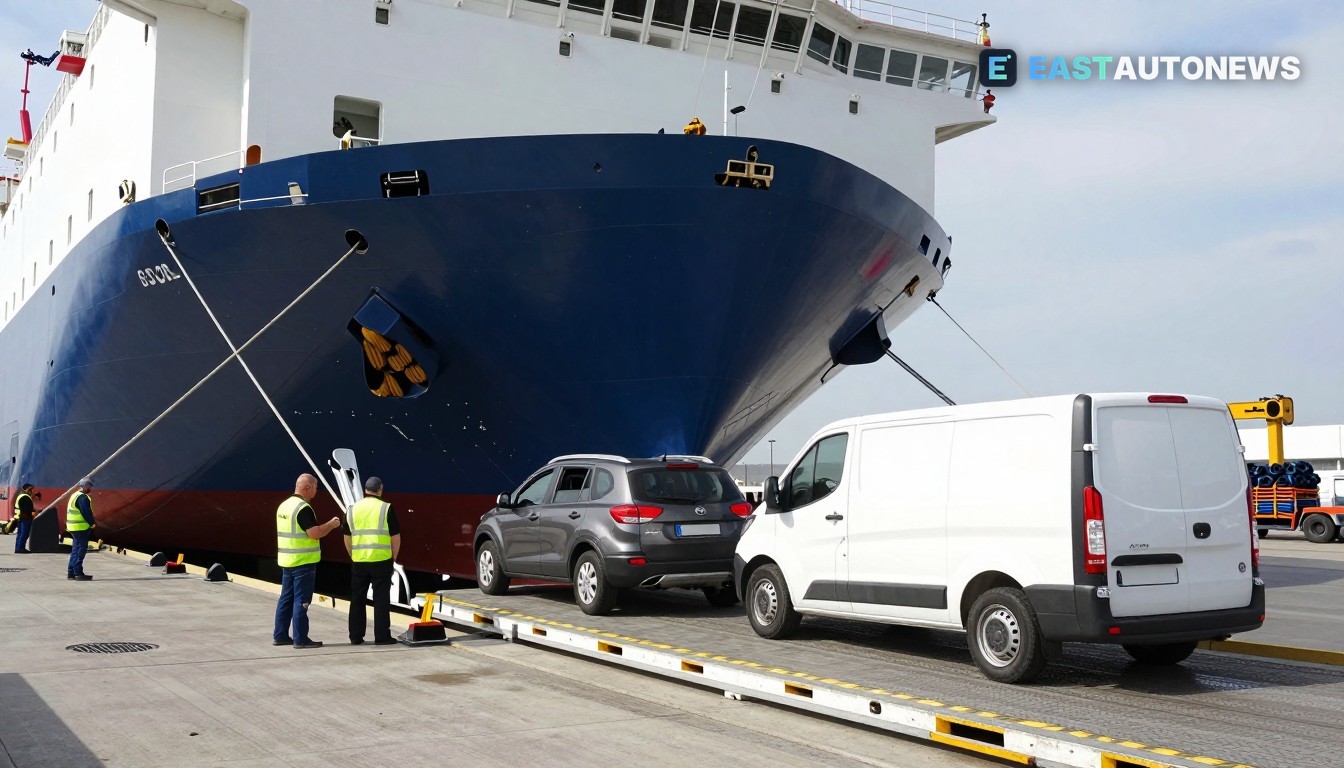
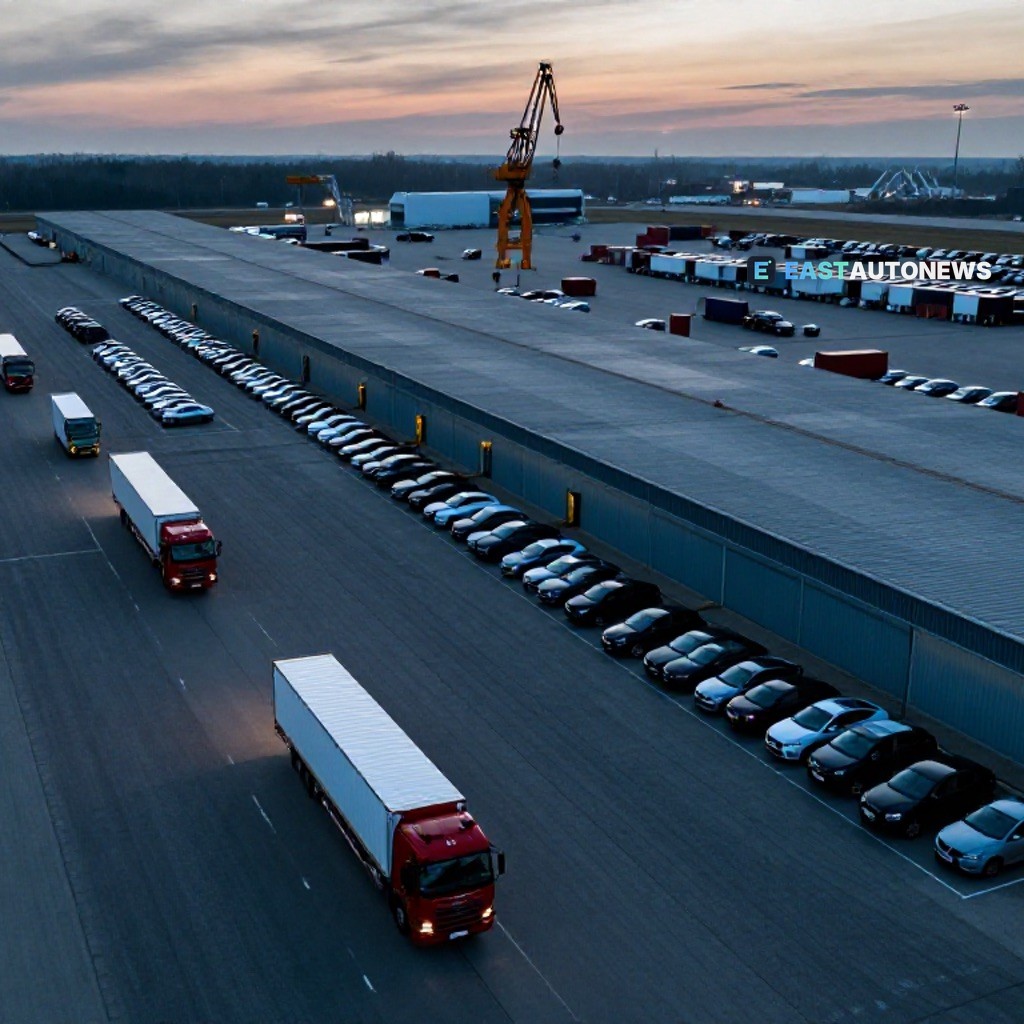
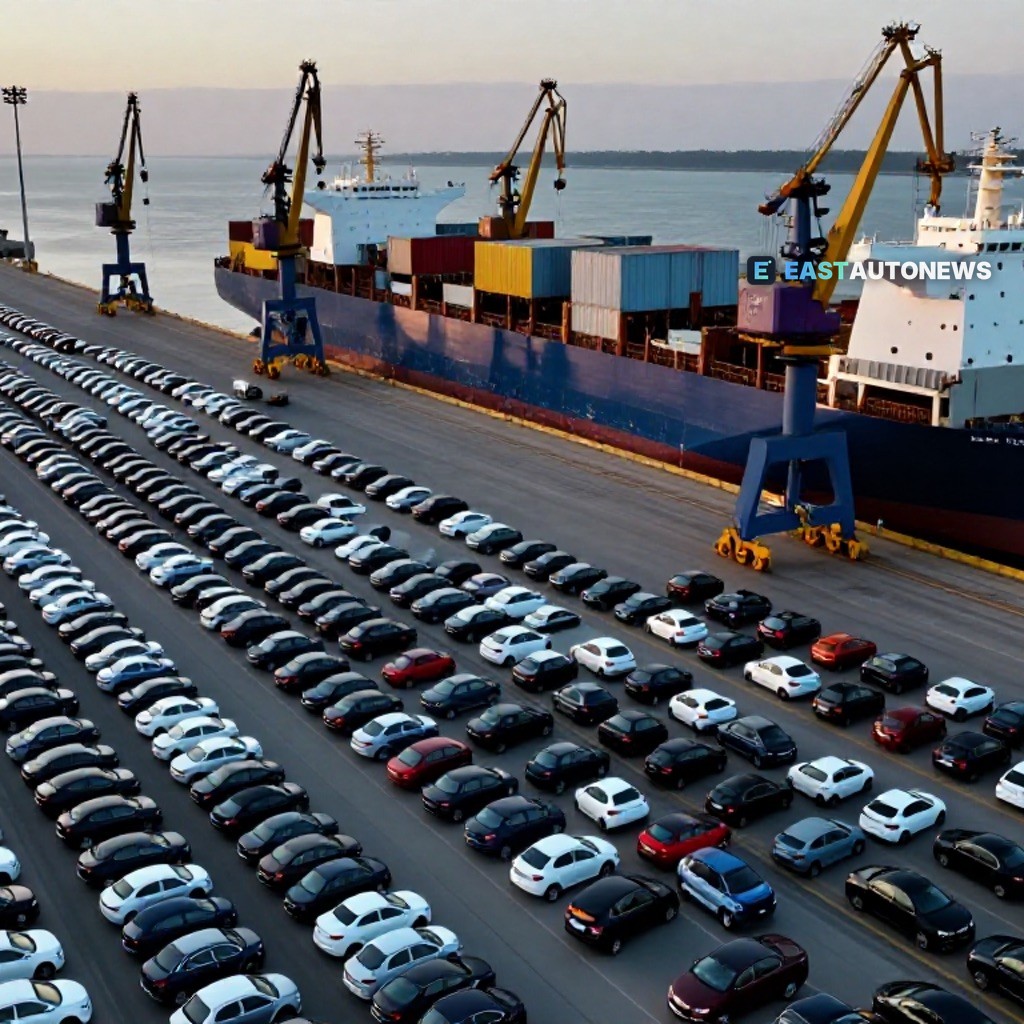
Those volumes are feeding a logistics build-out of matching scale. A market forecast published on 10 November sizes China's finished-vehicle logistics segment as a USD 50.43 billion opportunity across 2026–2031, driven by NEV exports and the integration of ports, rail and RoRo shipping. The template was on display in January 2026, when a rail–sea intermodal freight train carrying Chongqing-made NEVs ran to Nansha Port and connected with a vessel bound for the Middle East — a working demonstration of how vehicles built far inland can reach seaborne export lanes.
Port capacity is stretching to keep pace. In China, the plan envisages extending services beyond Qingdao to Dongjiakou, Rizhao and other coastal ports in Shandong, TrasportoEuropa reported on 12 November. Further along the trade lanes, Sri Lanka's Hambantota is gaining a role as an alternative vehicle-shipping gateway to the Middle East: Hambantota International Port Group and Al-Futtaim Logistics have discussed expanding their partnership, just as shipping disruptions in the region highlight the port's role in moving vehicles to the Gulf. Hyundai Glovis and Liberty Global Logistics, meanwhile, have signed a memorandum to assess closer cooperation.
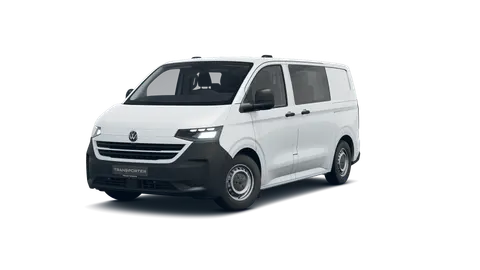
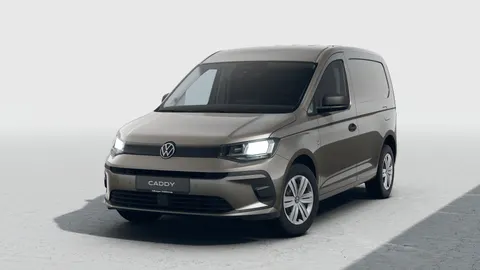
The flows run in both directions across the region. In Hungary, industry is setting the pace of foreign trade: figures from the Hungarian Central Statistical Office (KSH) show exports to the United States were more than 35% higher in January–August than a year earlier, with the outbound push resting on ports and warehouses clustered near the country's factories, as Bytes Europe reports. For Central and Eastern Europe as a whole, surging Chinese inbound volumes and robust industrial exports are redrawing logistics demand — and with it, how vehicles are sourced across borders. Dealers and buyers can find related vehicles, from the Chinese-brand models now streaming into the region to the commercial vehicles that move them, on WorldTrader24.de, the European marketplace listing more than 70,000 vehicles.
Keeping freight moving is, in the end, as much a question of hardware as of routing. Readers looking for a vehicle — from vans and trucks for the logistics trade to the next passenger car — can find sensational cars at sensational conditions at WorldTrader24, Europe's marketplace with over 70,000 vehicles.