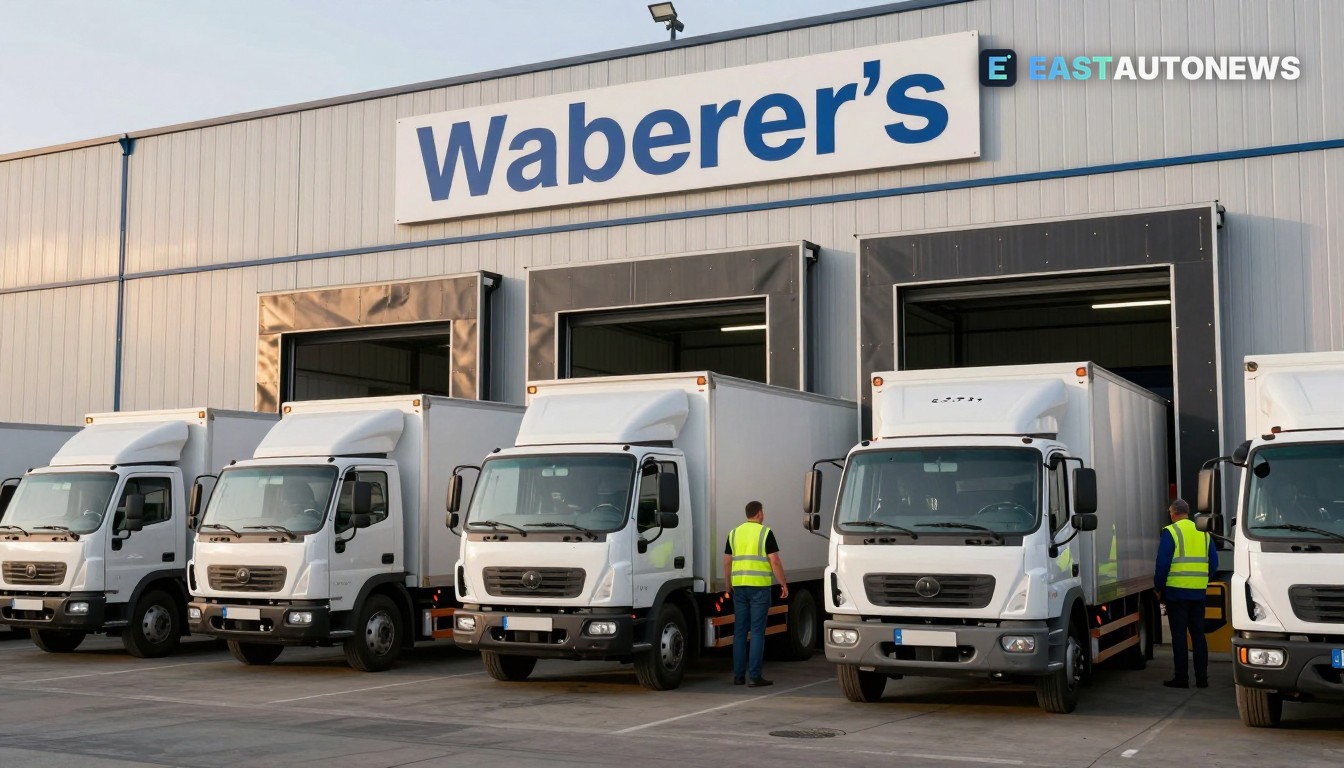
Waberer’s Group said on November 12, 2026 that it has won a series of new automotive logistics contracts in Hungary, including a 19,000 square‑metre contract in Debrecen to serve a key supplier to a major German carmaker and two tenders in Győr covering warehouse and returnable‑packaging management at a vehicle and engine plant. The Debrecen contract is a two‑year deal with an option for a further year, the company said.
What Waberer’s announced
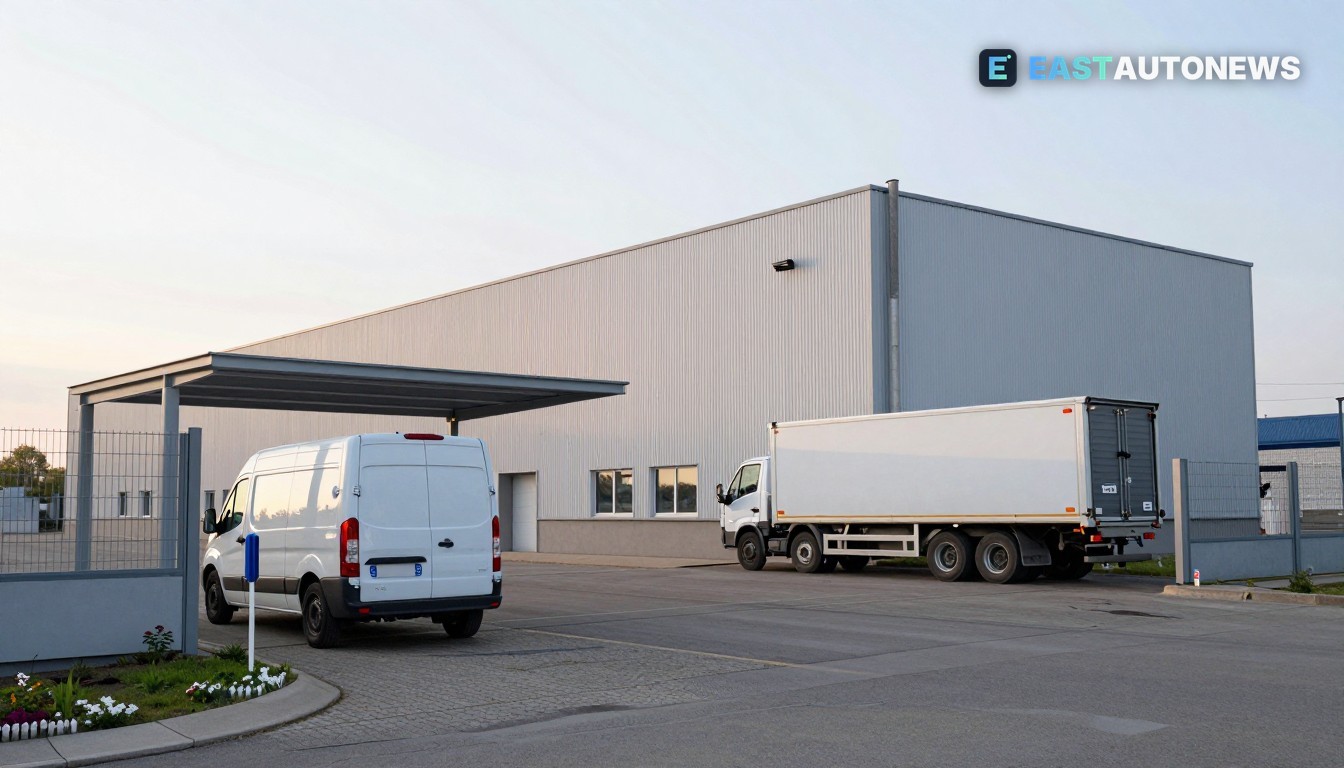
The company’s November 12 trading update and press release said the Debrecen work will be handled from Waberer’s own logistics centre and covers inbound and outbound handling and value‑added services across more than 19,000 m². Waberer’s also said it had won two contracts in Győr that start on April 1, 2027, run for three years with a two‑year optional extension, and together will substantially scale up the group’s automotive logistics operations in Hungary. The company expects the new assignments to increase headcount by approximately 1,000 employees.
What this means for the market
Logistics capacity close to production sites has become a competitive advantage for vehicle makers and suppliers across Central and Eastern Europe. By securing a bonded, in‑country warehouse footprint in Debrecen and long‑term contracts in Győr, Waberer’s positions itself to capture higher‑margin contract‑logistics work tied to just‑in‑time and sequencing services that OEMs and tier‑1s increasingly demand. The deals also signal rising demand for localised logistics capacity as factories in Hungary and neighbouring CEE states increase output and reshape supplier networks.
Waberer’s framed the wins as part of a broader strategy to grow contract logistics alongside its road‑transport and insurance businesses. CEO Zsolt Barna said the group has recently secured “major contracts for which we competed against leading international service providers” and that the new partnerships “will gradually strengthen our logistics segment and provide a solid foundation for growth in the coming years.” The company added that the Győr contracts build on relationships established when it served the plant’s import and export warehouse from 2016 and provided inbound services from 2019.
Financially, Waberer’s said consolidated third‑quarter revenue rose 11% year‑on‑year to €228 million and nine‑month revenue was up 10% to €663 million, though EBIT fell slightly in the quarter. Management said it remains cautious on capital projects without secured customer commitments — a stance that makes contract wins such as Debrecen and Győr particularly valuable.
For carmakers and suppliers operating in Hungary — and for vehicle flows across the CEE region — the deals underline a trend toward more integrated, local logistics chains. That reduces lead times, lowers transport risk on critical parts such as battery modules and harnesses, and supports assembly plants seeking to shorten inbound distances amid broader supply‑chain volatility.
WorldTrader24 B2B-Fahrzeugmarkt für Händler →
Sources: Waberer’s Group, Waberer’s press room