Renault has delivered one of its bluntest warnings yet on the state of European carmaking, telling Brussels that the industry's survival hinges on reining in Chinese competition. The group's François Provost puts the cost advantage of Chinese manufacturers at 30-40%, and cautions that European production could fall to half its current level shortly after 2030 if the European Union does not act. Renault has tabled proposals of its own, pressing for a firmer policy response to a gap it regards as existential.
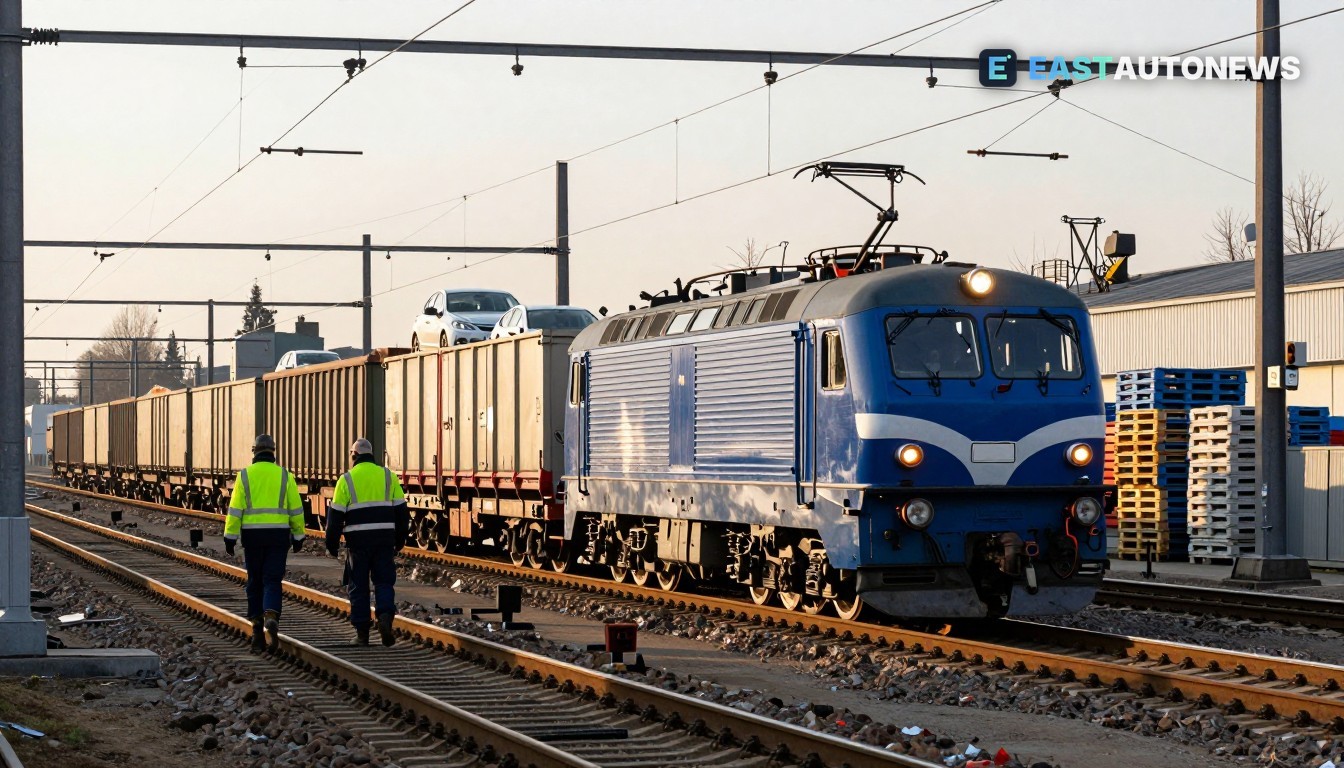
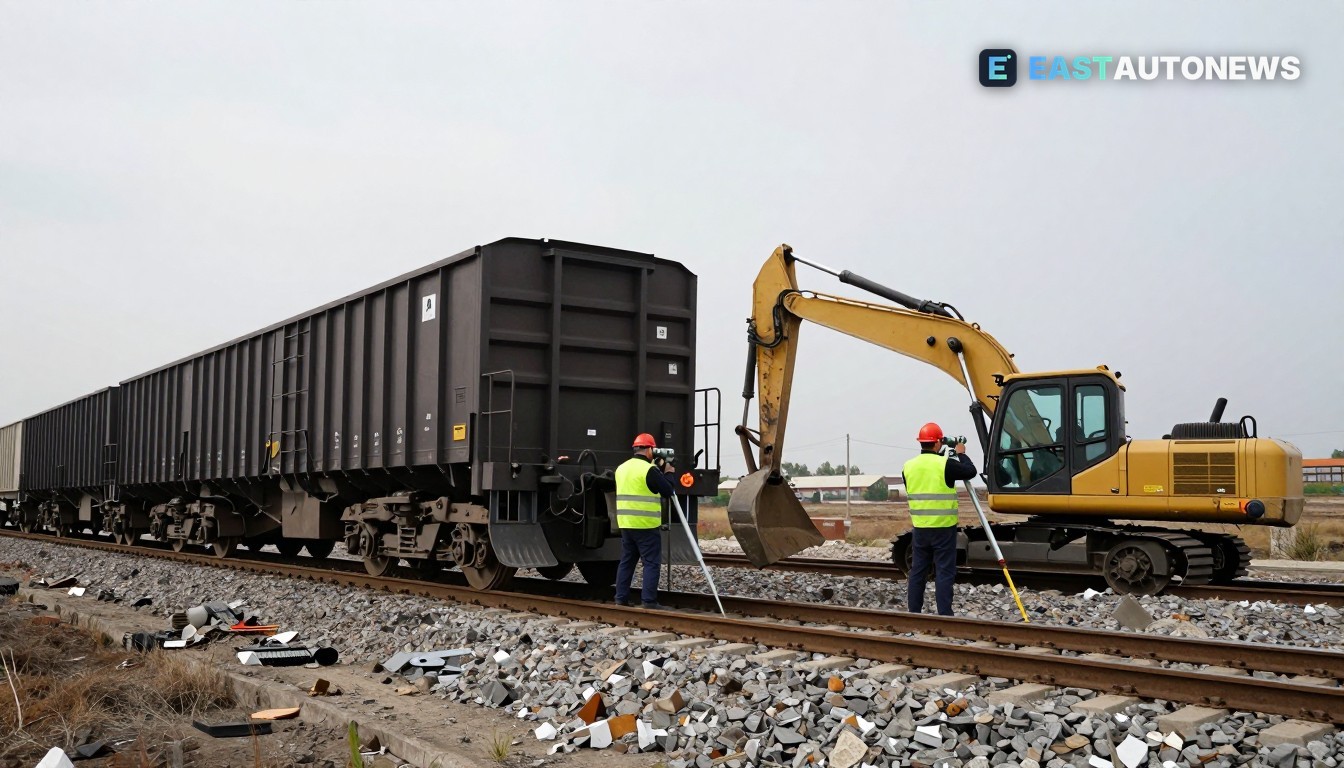
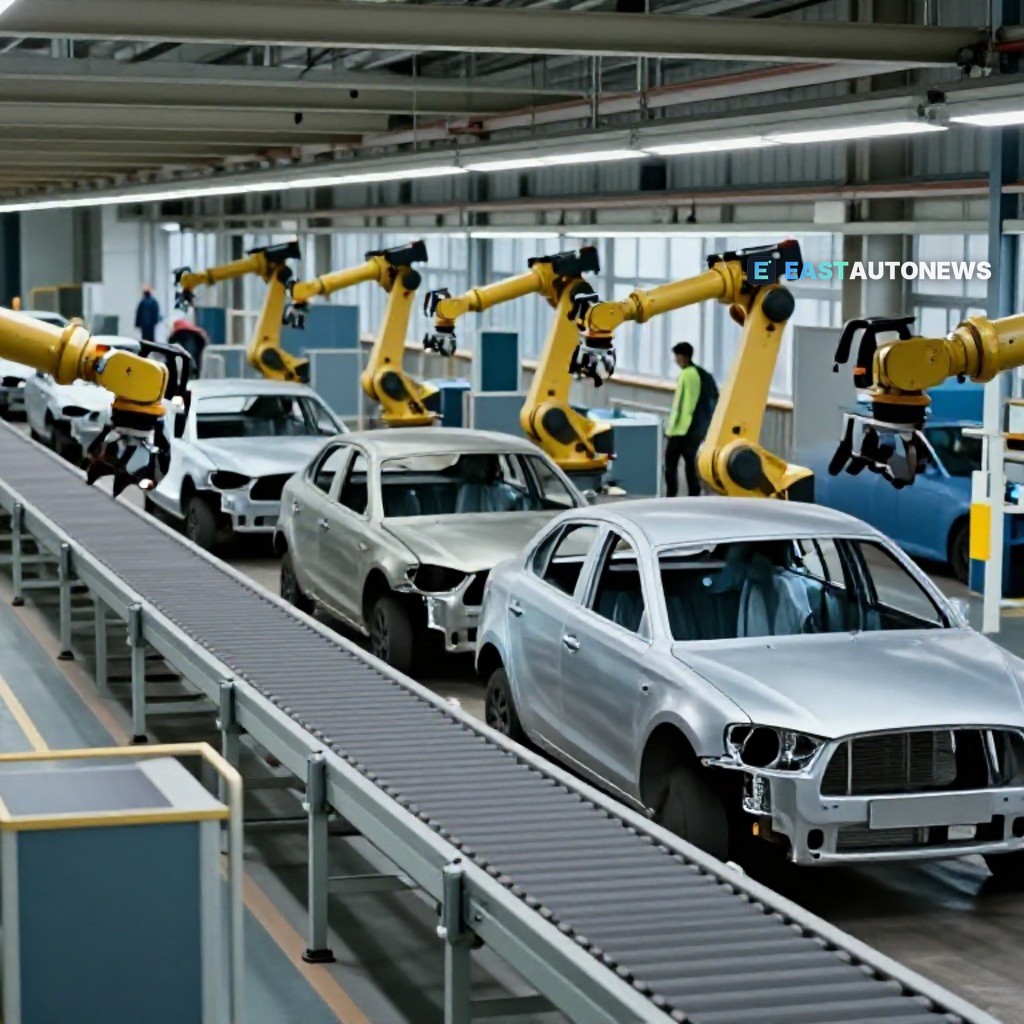
The warning lands with particular force in Central and Eastern Europe, where volume manufacturing and the freight corridors serving it anchor much of the industrial base. A halving of European output would feed straight into supplier orders, plant utilization and transport volumes — pressure the region has already felt, with layoff plans at Poland's PKP Cargo underlining how quickly logistics capacity unwinds when automotive volumes soften.
Renault, for its part, is hedging well beyond Brussels. The group has announced eight new models aimed at more profitable growth on international markets, and its sales map explains why: five of its top ten markets last year lay outside Europe, led by Brazil at number two, with Türkiye fourth, India fifth, South Korea eighth and Colombia ninth. With manufacturing already spread across many regions of the world, the company is less exposed to any single policy regime than most European rivals.
The same realignment is visible at the top end of the market. European luxury automakers are shifting capital expenditure from China to the United States, abandoning the global export model in favour of localized production to capture higher margins and bypass trade barriers. For CEE suppliers and logistics operators, the pattern is unmistakable: production flows once organized around European plants exporting worldwide are being redrawn around regional blocs, and the corridors that carried that trade will have to follow the volumes.
For dealers and buyers, the outcome of this policy fight will eventually surface in showrooms — in which models are built in Europe, at what cost, and at what price. Until Brussels and the industry settle the terms of competition with Chinese manufacturers, the practical advantage lies in seeing the whole European market rather than a single national price list.
For anyone planning a purchase, that means comparing stock and conditions across borders rather than waiting on policy. Readers looking for a vehicle can find sensational cars at sensational conditions at WorldTrader24, Europe's marketplace with over 70,000 vehicles.