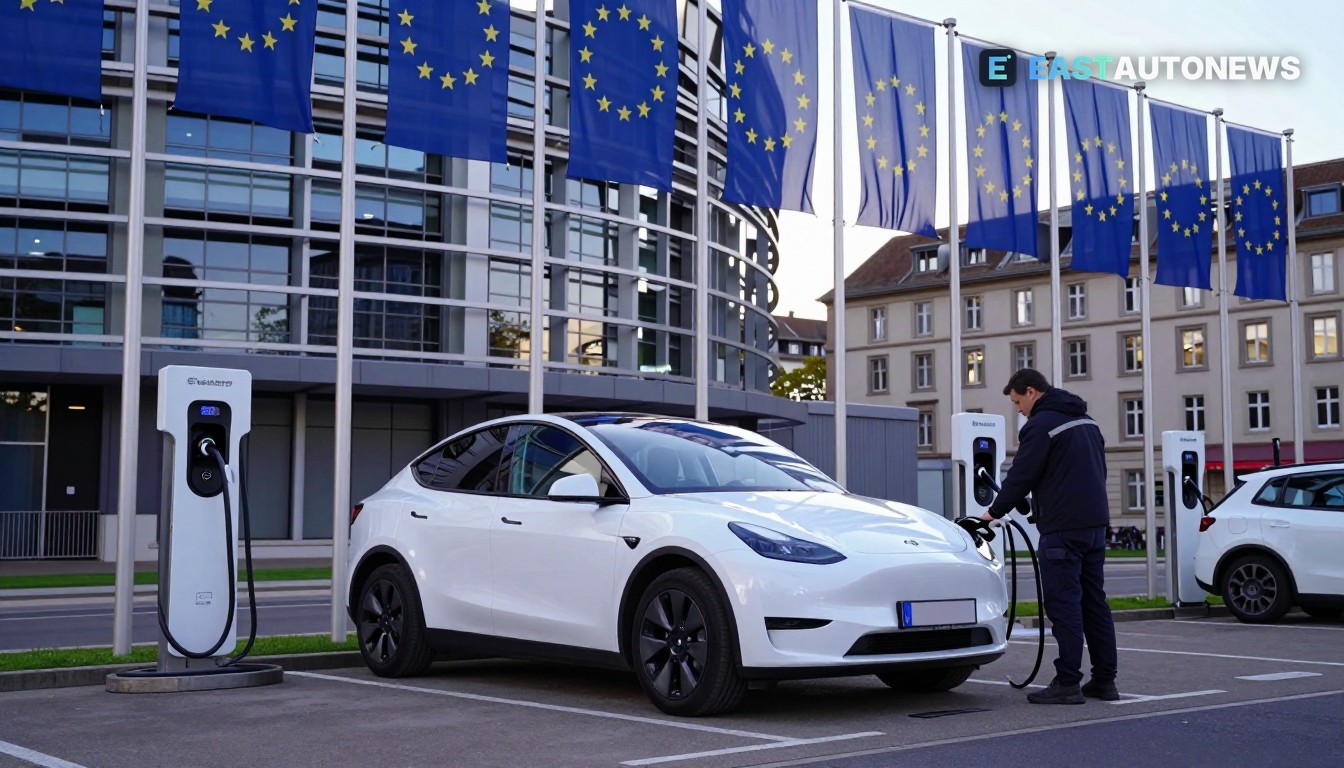
On 5 November 2026 the Hungarian Official Gazette (Magyar Közlöny) published Government Decree 412/2026 (XI. 5.), establishing the Országos Élőkörnyezet-felügyeleti Főhatóság — the National Living Environment Supervisory Authority. The decree sets the authority’s seat in Budapest and lays out its structure, powers and transition timetable.
What the decree does
The law creates a single, national environmental supervisory body with a broad remit: environment protection, waste management, nature conservation, water and forestry oversight, climate tasks and specific responsibilities for battery manufacturing and battery waste management. The central authority will also be able to issue nationwide professional procedures, guidance, sampling plans and designate laboratories for inspections.
Under the timetable in the decree, the new central authority comes into existence on 1 January 2027. From 1 July 2027 the specialised units of county government offices covering environment, waste, nature protection, water and forestry will be merged into the new authority as territorial offices, creating a two‑level central-and-regional structure. The decree and its annexes list the 20 territorial offices and their county seats.
Why batteries are singled out
The text and commentary accompanying the decree make explicit that unified oversight of the battery value chain is a flagship task of the new authority: environmental permitting, supervision and oversight of battery waste will be handled centrally to ensure a consistent professional approach across the country. Hungarian NGOs and environmental commentators have highlighted the battery remit as a principal driver for the reform.
What this means for the market
For automakers and suppliers active in Central and Eastern Europe, the decree creates a single point of environmental decision‑making in Hungary. That promises faster, more consistent permitting decisions and a single set of technical procedures and laboratory standards — but it also raises the bar for compliance. Firms planning battery factories, cell lines, recycling or “black‑mass” processing in Hungary will move from dealing with multiple county offices to a central regulator with national powers and uniform procedures, effective from 1 January and 1 July 2027 as set out in the decree.
The consolidation is likely to affect project timetables and the nature of environmental conditions attached to permits: centralised guidance, mandatory sampling and designated laboratories mean more consistent enforcement across counties — and a single interlocutor for appeals and second‑instance administrative review. That matters for investors and OEMs that need permit certainty for capex planning and for suppliers handling end‑of‑life battery logistics.
Policymakers described the change as strengthening professional oversight and improving legal remedies compared with direct judicial review, while environmental groups say a single competent authority can deliver more rigorous supervision of the full battery life cycle. The decree’s official publication date is 5 November 2026 and its transition dates are set in the text.
Electric vehicle listings on WorldTrader24 →
Sources: Magyar Közlöny, DontWasteIt, Humusz