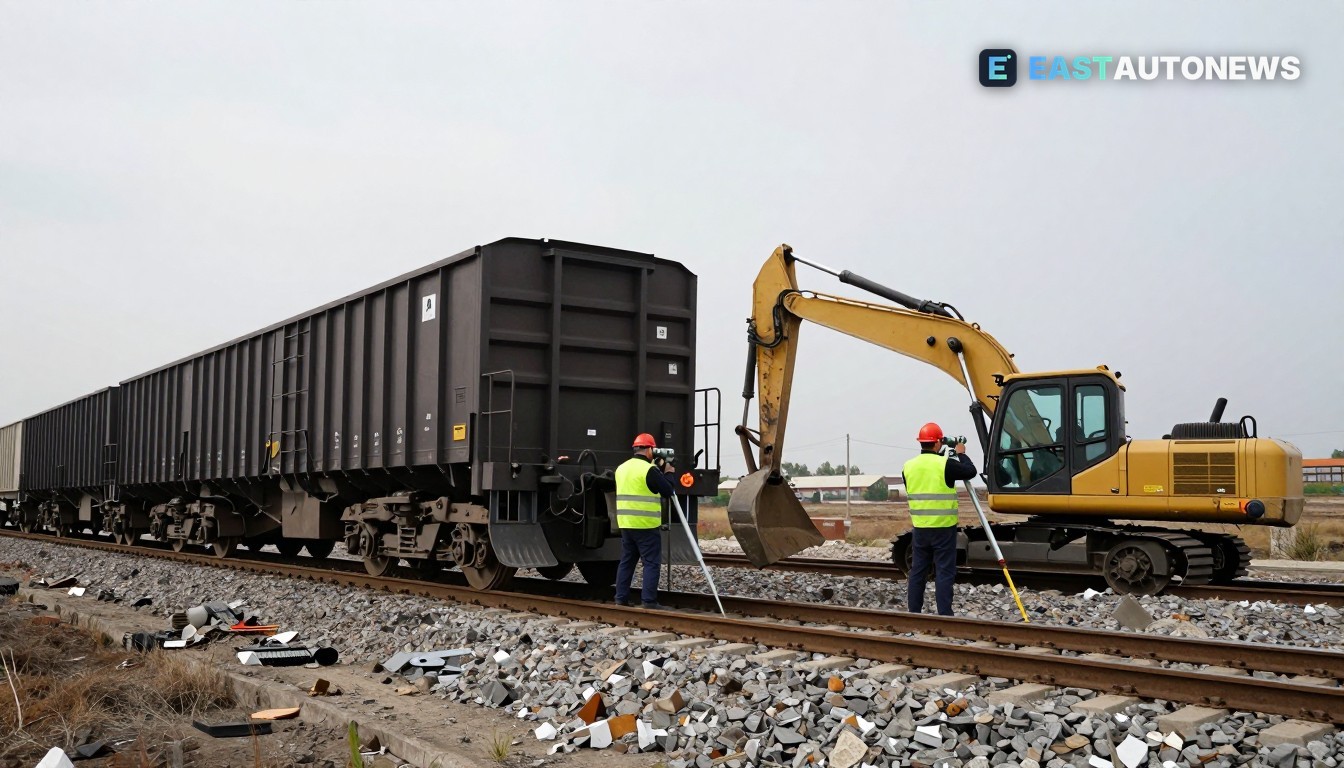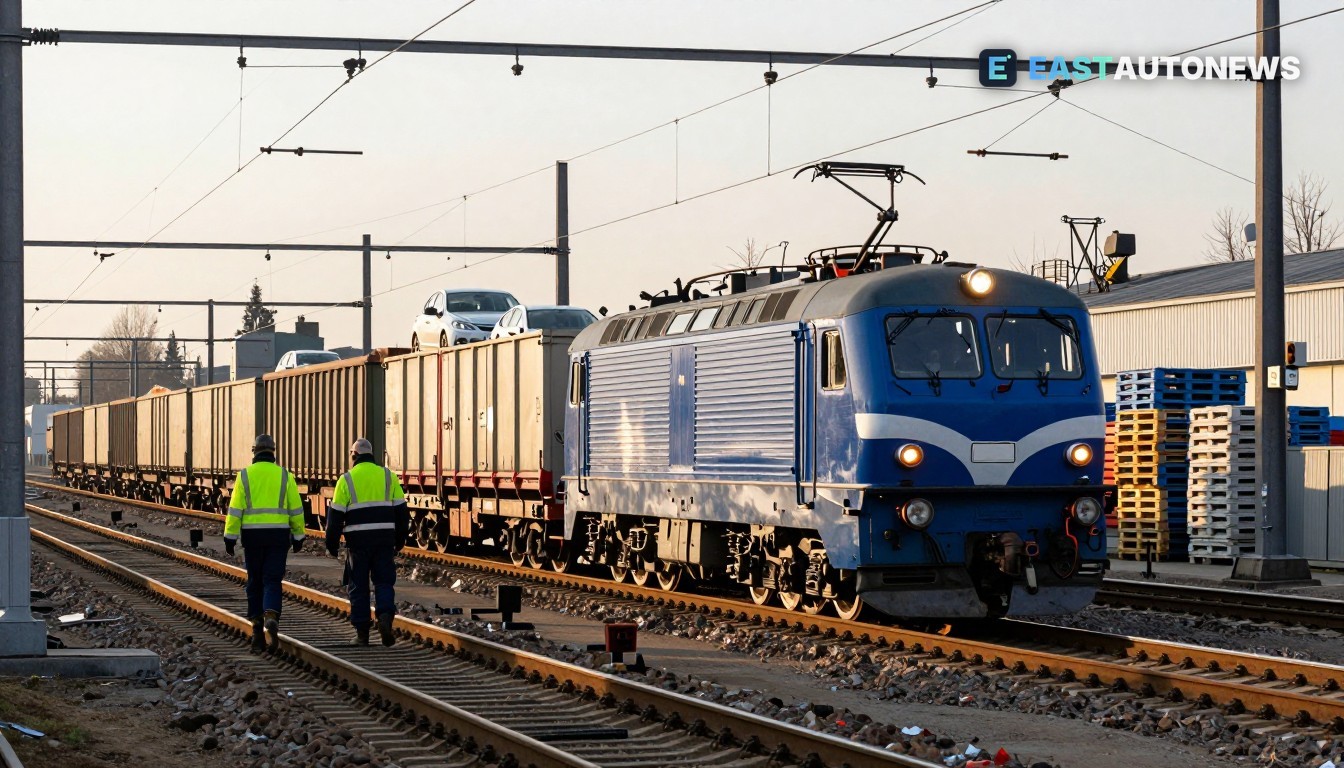
Poland’s largest rail freight operator, PKP Cargo, is preparing another round of collective layoffs as its court-appointed restructuring administrator evaluates staff cuts and pay‑system changes, industry reporters said on 6 November 2026. The development follows earlier rounds of redundancies and comes as the company continues to implement a court‑supervised restructuring plan.
Specialist freight media reported that PKP Cargo told the Polish Press Agency its appointed administrator, Paweł Głodek, is analysing “employment optimisation” and other measures, while the scale, timing and groups of staff affected have yet to be finalised.
Numbers and recent history
PKP Cargo has been through several waves of job reductions since 2024. Company filings and industry reporting record large staff outflows in 2024–25 and show the group recorded 2,238 departures in 2025 alone as part of restructuring actions. The operator has previously said planned group‑layoff exercises could affect thousands of roles: earlier plans signalled around 2,400 redundancies spread over 2025–2026.
Industry trackers and Polish press reports also note that PKP Cargo’s workforce has been substantially reduced during the restructuring process and that operational uncertainty remains while the company works under court supervision.
Why this matters for autos
Finished‑vehicle and parts logistics in Central and Eastern Europe rely heavily on a mix of road, short‑sea and rail connections. Vehicle logistics associations and industry commentators have warned that ports and terminals in the Adriatic, Baltic and Polish gateways are increasingly dependent on reliable inland rail capacity to move imports from Asia and exports between factories and European hubs. Any further contraction in rail‑freight capacity or workforce availability at PKP Cargo would increase pressure on road haulage and inland terminals, with knock‑on effects for lead times and costs for carmakers and tier‑one suppliers in the region.
What this means for the market
For carmakers and suppliers with distribution hubs in Poland, the Czech Republic, Slovakia and the Baltics, the immediate risk is reduced predictability of scheduled rail services and a potential shift of flows onto trucks. That would raise logistics unit costs, strain already tight trucking capacity and complicate seasonal inventory planning ahead of year‑end production and model launches. ECG and vehicle‑logistics specialists have repeatedly urged OEMs and ports to secure multi‑modal contingency plans precisely because inland operators—including state‑owned carriers—remain vulnerable during restructuring.
In practical terms, importers of Chinese‑built EVs and parts that rely on rail corridors feeding Polish ports and terminals may face longer dwell times for trains, higher demurrage at rail‑connected compounds, and rising spot‑rates for substitute road haulage if PKP Cargo reduces services or its operational footprint shrinks further. Market participants will watch union responses and any formal consultation notices closely—both to gauge timing and to measure whether critical functions (locomotive crews, wagon maintenance, terminal handling) are protected from cuts.
PKP Cargo and Poland’s restructuring administrator have emphasised the need to restore financial stability; the company’s stated aim remains to reorganise into a sustainable operator. But until concrete decisions and timelines are published, carmakers and logistics providers in Central and Eastern Europe must assume the potential for constrained rail capacity and adjust routing, inventory and contingency contracts accordingly.
WorldTrader24 B2B vehicle marketplace for dealers →
Sources: RailFreight / The Port Journal, PKP Cargo filings, ECG.