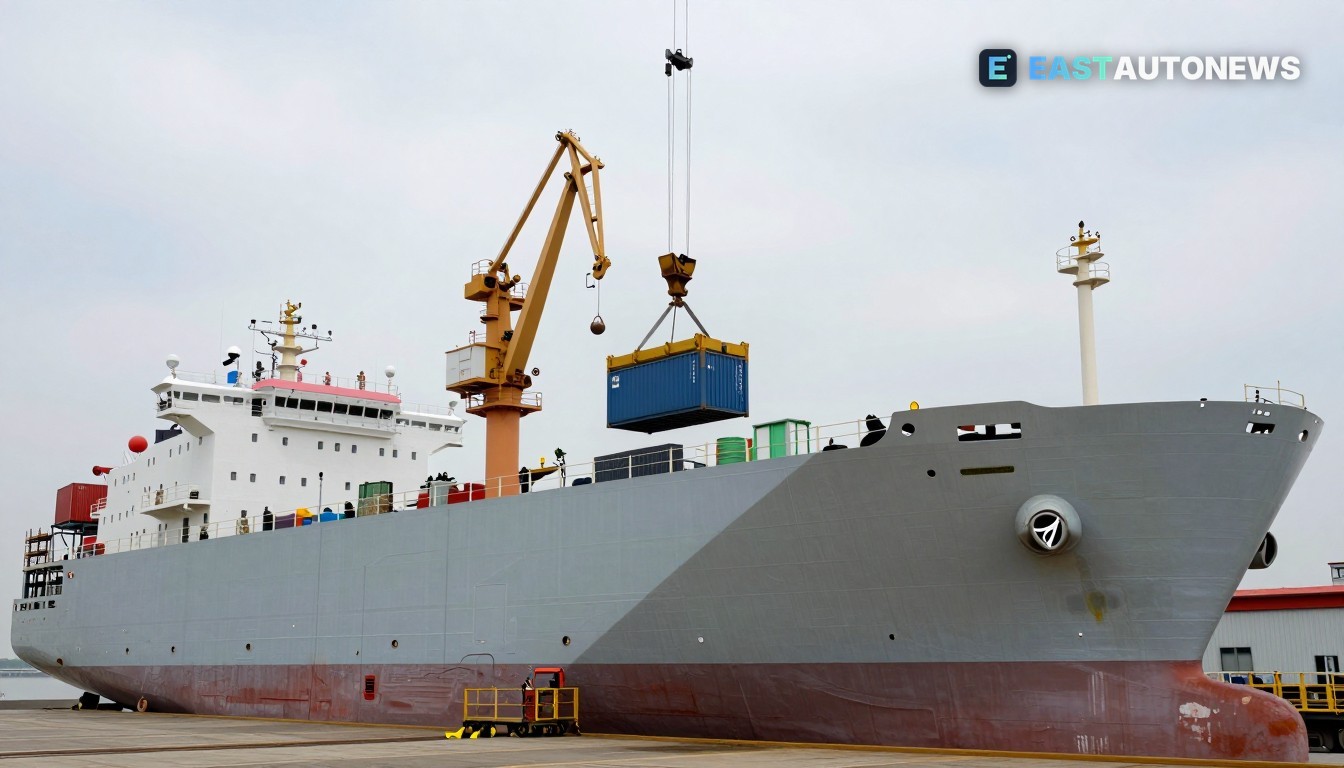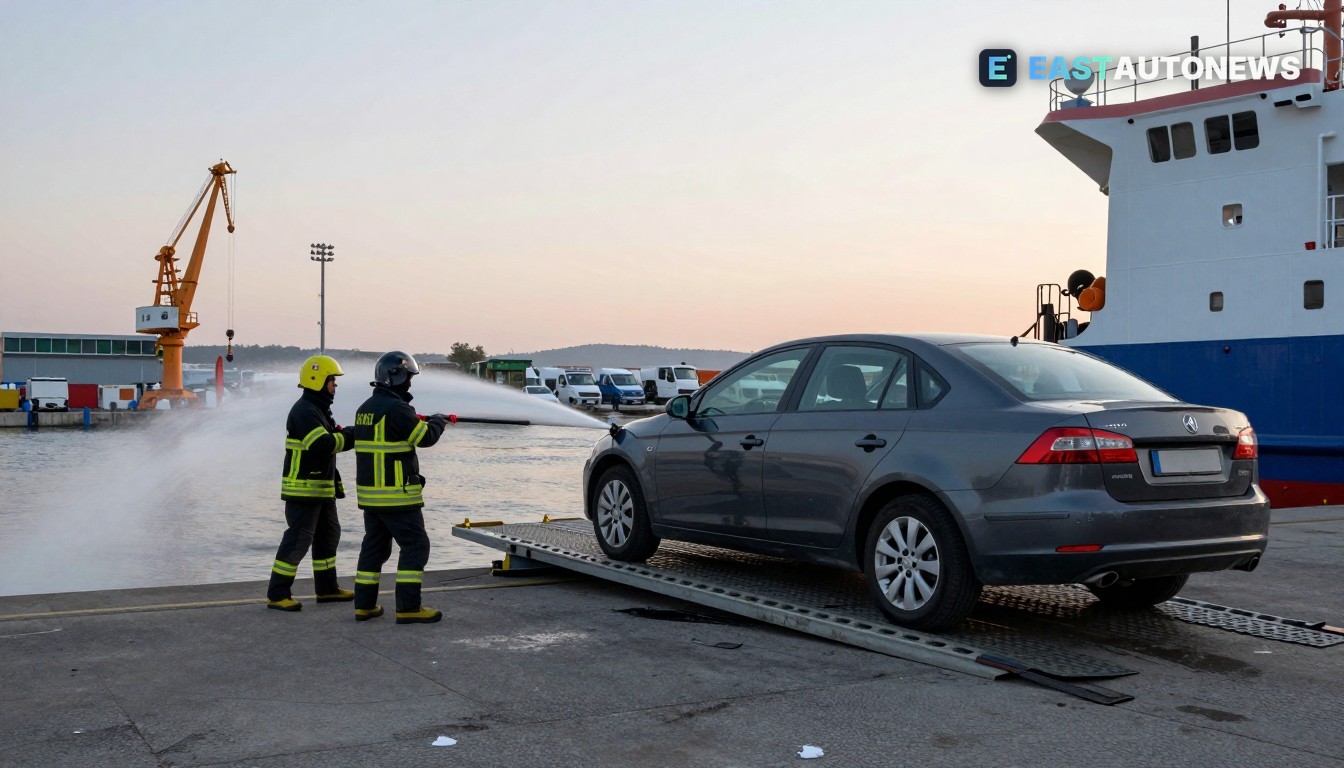
Shipboard fires linked to lithium‑ion batteries are now a mainstream supply‑chain risk for finished‑vehicle logistics, with consequences for ports and inland distribution in Central and Eastern Europe (CEE). Industry analysis published by Seatrade Maritime on November 6, 2026, says the problem extends beyond car carriers to container ships and ro‑ro vessels, where concentrations of batteries create new fire dynamics that conventional ship systems struggle to control.
Recent incidents make the threat concrete
Seatrade lists multiple high‑profile losses in recent years and notes that at least three vehicle carriers have been lost so far this decade — Höegh Xiamen (2020), the Felicity Ace (which sank after fire in March 2022) and the Morning Midas, which sank after a long fire in June 2025. The Morning Midas fire began on June 3, 2025, and the vessel sank on June 23, 2025, after unsuccessful firefighting and salvage efforts.
Maritime and salvage reporting shows Morning Midas carried thousands of vehicles, including hundreds of battery electric vehicles (BEVs), and the blaze repeatedly reignited despite suppression attempts — a pattern now familiar from earlier cases such as the Felicity Ace. These incidents have prompted insurers and P&I clubs to flag the hazard and to press for tighter documentation and handling rules.
Why ro‑ro and container chains are exposed
Experts quoted by Seatrade argue thermal runaway in lithium‑ion cells can spread rapidly inside vehicles or sealed containers, and that current rules (such as Special Provision 188) limit cell size but not the total quantity of batteries in a single transport unit — leaving gaps in visibility and control for crews and emergency responders. Akshat Arora of the UK P&I Club told Seatrade: “I do not think there will be one technology or extinguishing medium that solves every scenario.”
What this means for the market
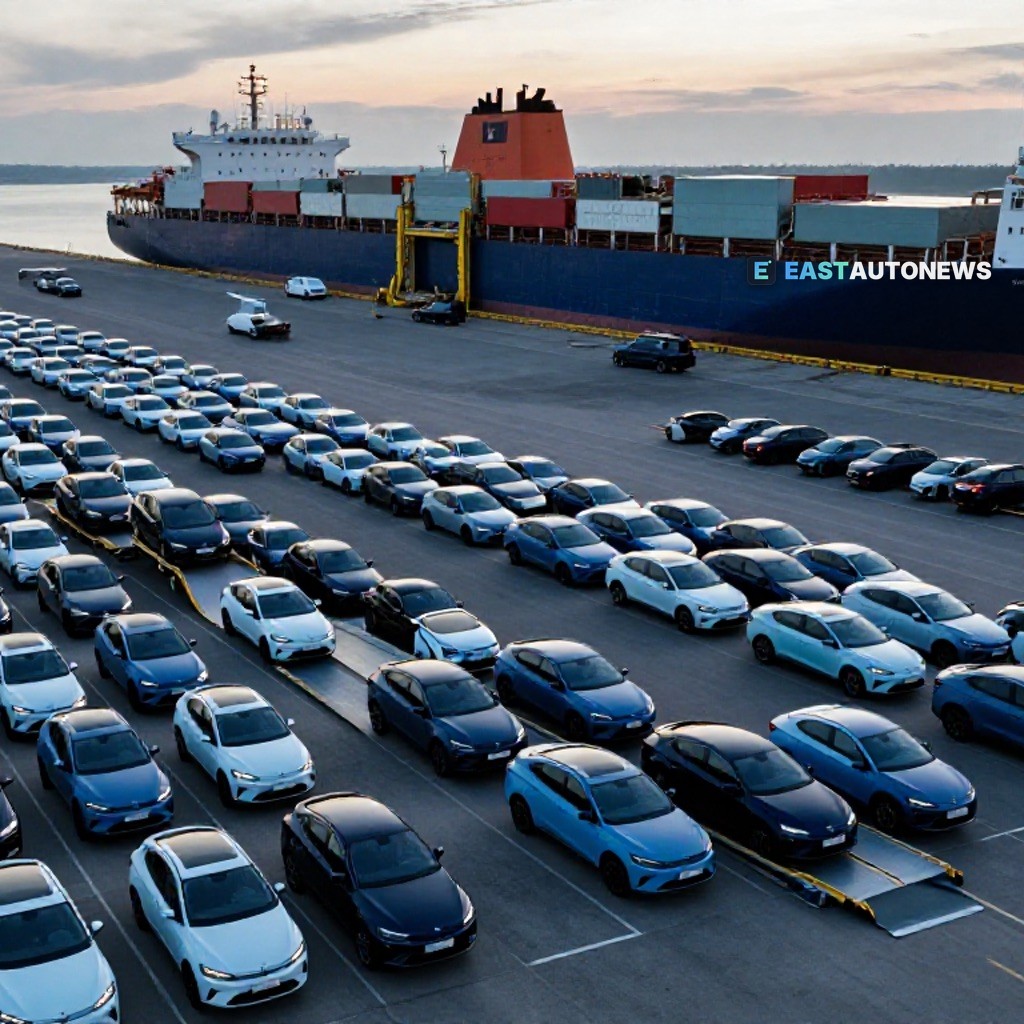
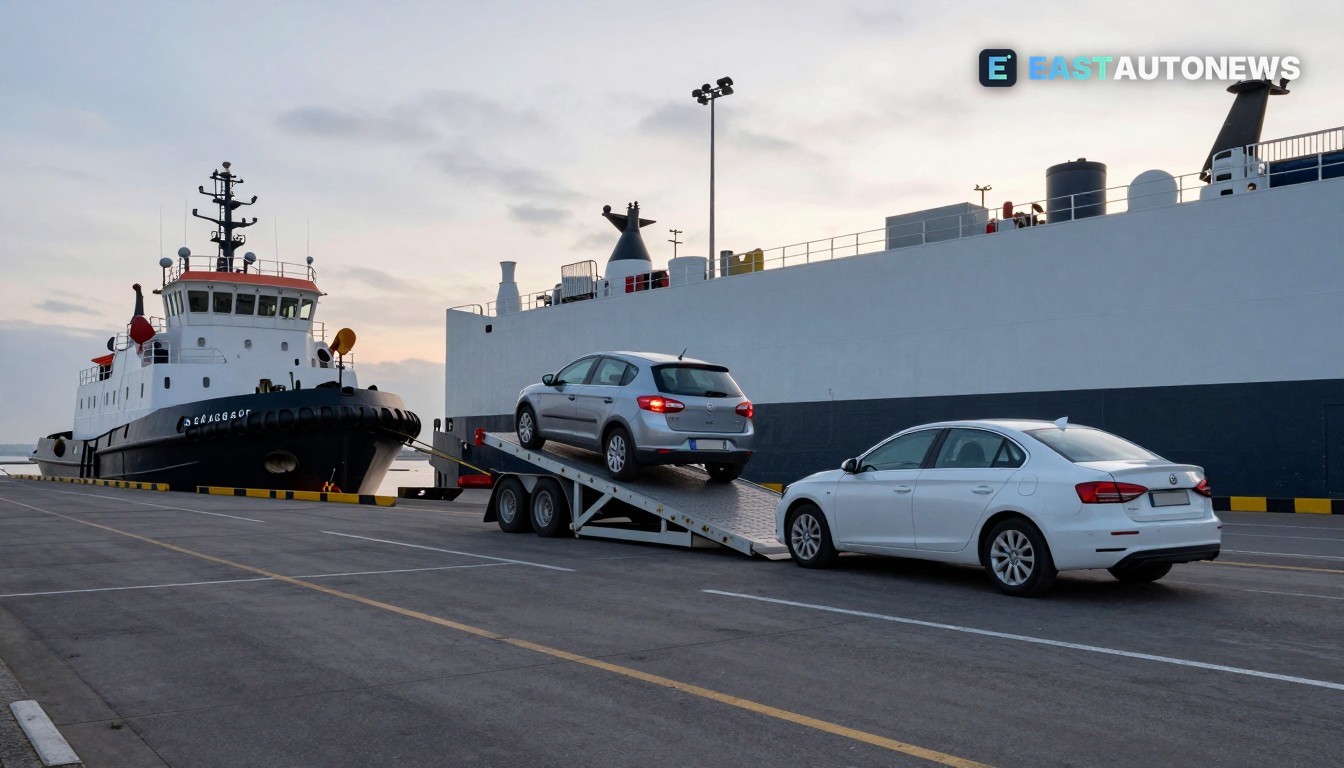
For CEE, where ports such as Koper, Piraeus and northern Adriatic container/ro‑ro hubs handle rising volumes of China‑built EVs and hybrids, the practical impacts are immediate. Terminals, carriers and OEM logistics teams face higher insurance scrutiny, more restrictive stowage requirements, and the potential for ad‑hoc bans or slowdowns as lines reroute or offload suspicious cargoes. Automotive Logistics and ports analysis note that Mediterranean and Adriatic gateways have become key nodes for EV imports into Europe, so disruption at sea or stricter carriage rules will ripple into inland rail and road schedules that feed CEE factories and dealers.
Operationally, carmakers and third‑party logistics providers should expect greater documentation demands for battery content, earlier segregation of BEVs at terminals, and a push for enhanced fire‑detection and water‑mist equipment at Ro‑Ro berths. Insurers may also require higher premiums or impose cargo limits on ships carrying concentrated EV loads.
For buyers and planners in CEE, the short‑term consequence could be longer lead times and sporadic delays for imported EVs and parts; in the medium term, logistics strategies will need to adapt via diversified port calls, larger buffer inventories, and closer coordination with carriers on stowage and emergency preparedness.
Electric vehicle listings on WorldTrader24 →
Sources: Seatrade Maritime News, The Washington Post, gCaptain, Automotive Logistics, Novatug