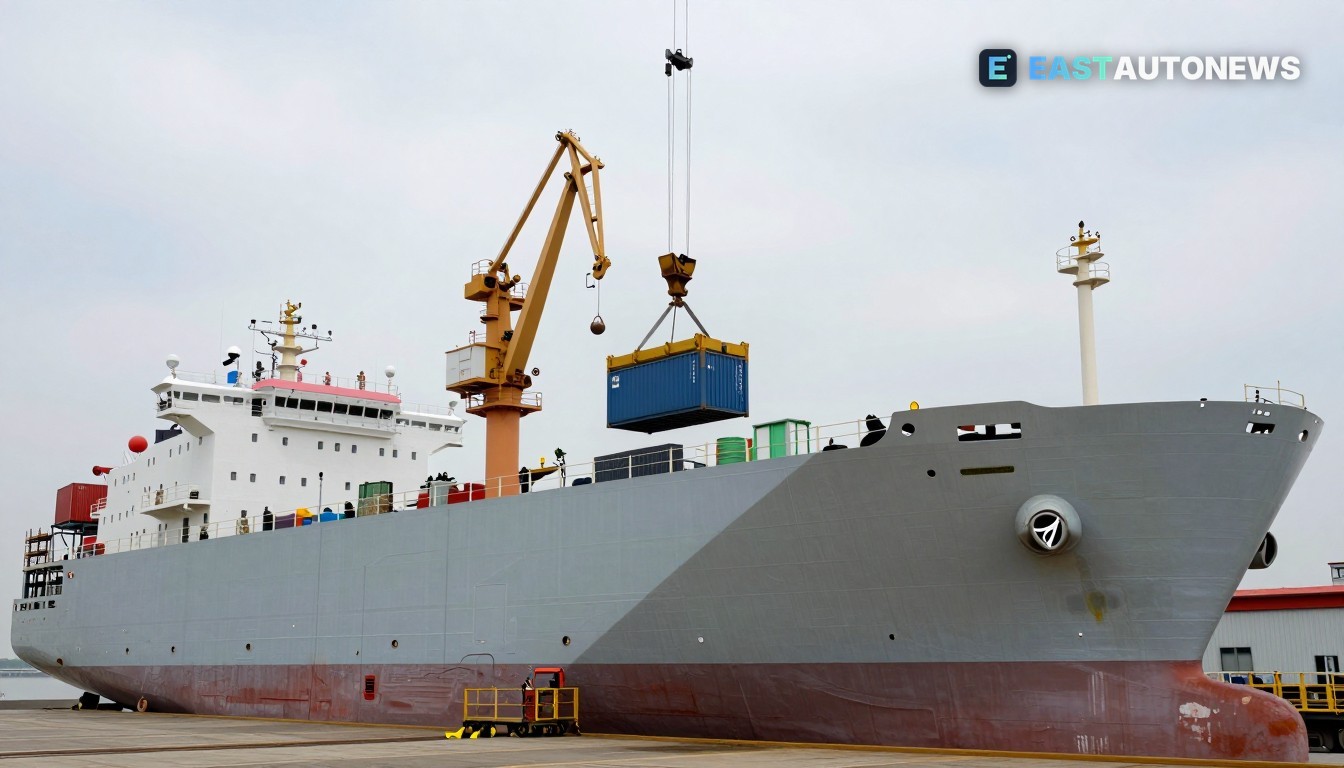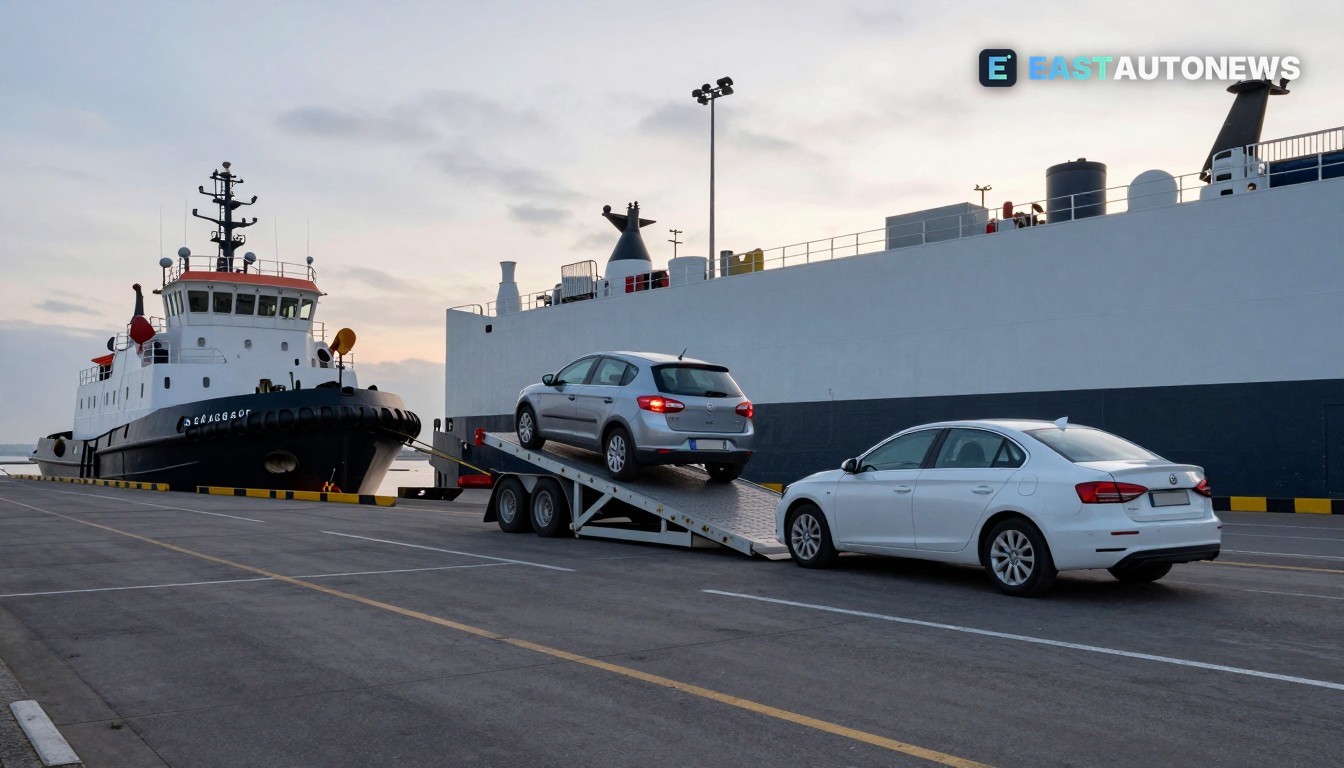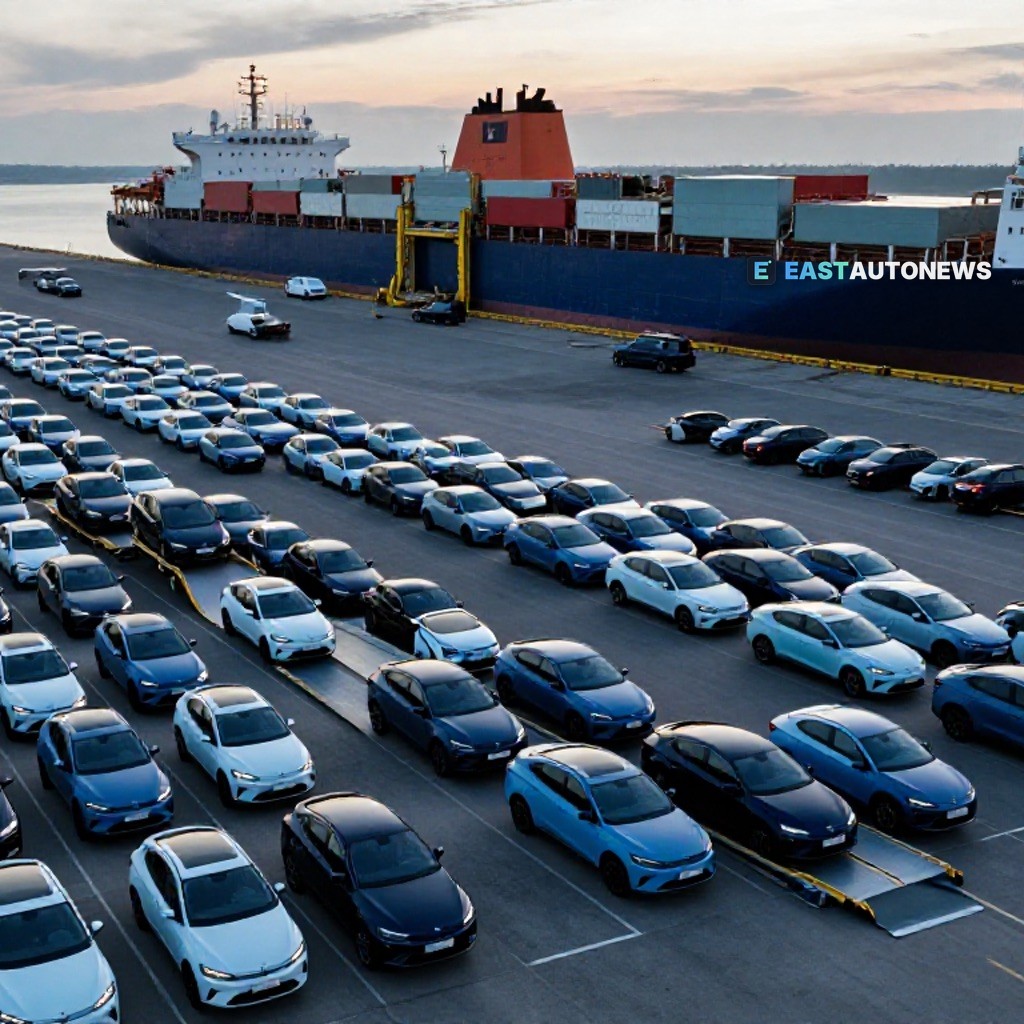
China's passenger car exports surged 72% in the third quarter, as a cut to the country's export tax rebate and the trigger of EU quotas spurred a classic "pull-forward" effect, BigGo Finance reports. Of the roughly 1.14 million additional export vehicles added over the year, battery-electric and plug-in hybrid models together contributed about 960,000 units — more than 80% of the growth — confirming that electrified vehicles have become the engine of China's export machine.
The rush has since pushed volumes into record territory. China's EV exports surged 145%, according to the South China Morning Post, a monthly figure that broke the previous record of 558,000 set in September; the count includes both cars exported from China and EVs assembled by Chinese brands' overseas plants. The newspaper attributes the spike in overseas demand to the Iran war, layering a geopolitical driver on top of the deadline-driven rush.
Analysts caution, however, that the boom carries the seeds of its own limits. Chinese automakers need a new playbook for global expansion, Gasgoo argues: for some companies, "the cars arrive, but the industry and jobs stay behind" — and when locals don't see employment gains, resistance builds. Growth driven solely by trade won't go far, the analysis warns, as barriers rise; the message has clear resonance in Central and Eastern Europe, where the balance between imports and local production remains a live debate.
The logistics backdrop in the wider region remains fraught. Russian attacks on Ukraine's Black Sea exports, Danube River ports, industrial warehouses, railway infrastructure and the steel industry are now frequent events, CNN reports, leaving Kyiv facing what could be its toughest winter yet as fresh talks near. For vehicle logistics across Eastern Europe, sustained pressure on seaborne and river corridors — and on rail — keeps route planning volatile.
The rethink of where vehicles are built and shipped from is not limited to Chinese players. Renault plans to launch the India-only Renault Bridger in India by the end of 2027, with a gradual rollout to other international markets to follow, and Europe was not originally part of the plan. According to the British trade publication Autocar, cited by electrive.com, Dacia is now weighing a European launch for the model — a reminder that export bases have become a strategic chessboard for brands well beyond China.
For dealers and buyers alike, a market this fluid — record import volumes, disrupted trade routes, fresh model rollouts — rewards smart purchase decisions and careful price comparison over headline-chasing. Readers looking for a vehicle can find sensational cars at sensational conditions at WorldTrader24, Europe's marketplace with over 70,000 vehicles.