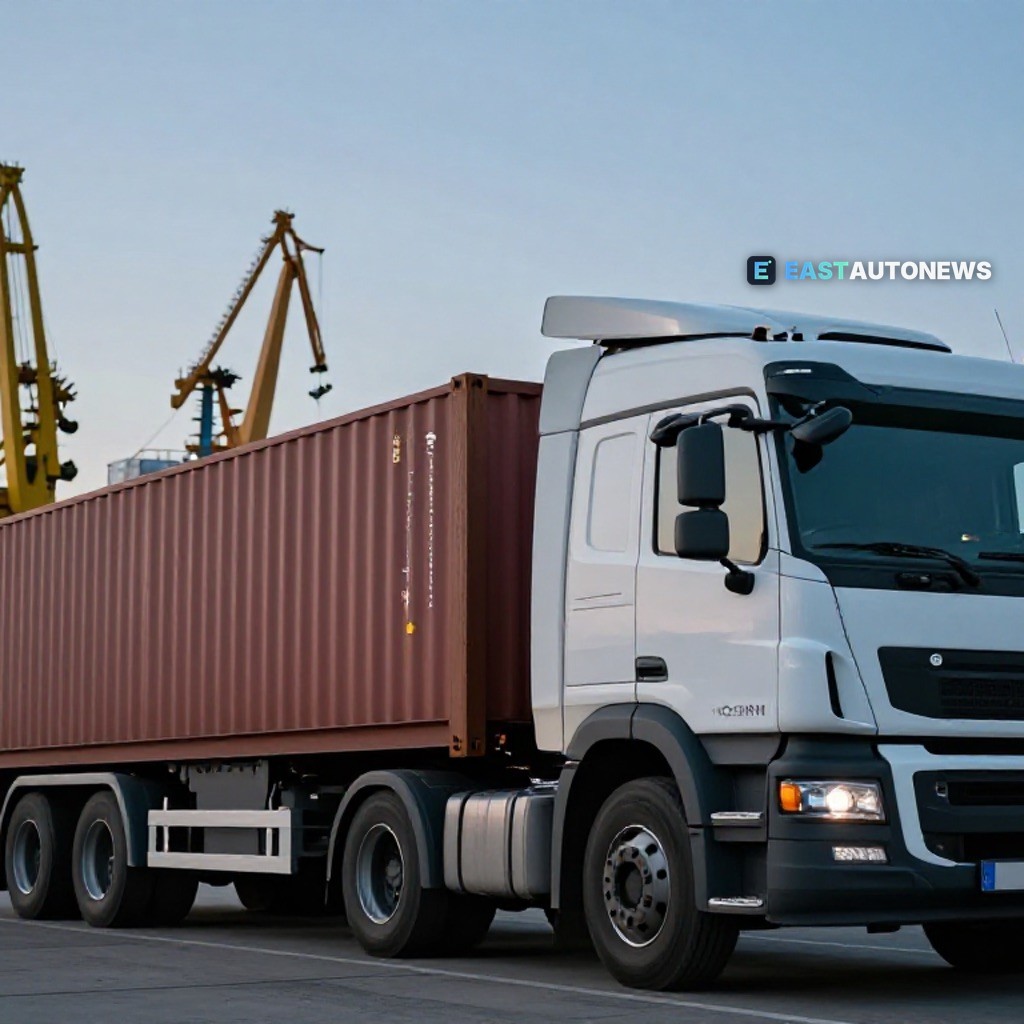
The meeting drew little fanfare, but its implications stretch across two continents. On November 3 in Tashkent, delegations from Uzbekistan and Hungary sat down to discuss building logistics hubs on Hungarian territory — installations designed to give Uzbek exporters smoother access to EU markets and to expand freight links between Central Asia and the European Union. For Hungary, the pitch is seductively simple: become the place where Eurasian cargo changes hands before entering the world's largest trading bloc.
Geography, ironically, is Hungary's strongest sales argument. The country is landlocked, spanning much of the Carpathian Basin and bordered by Slovakia to the north, Ukraine to the northeast and Romania to the east and south — no seaport, but a crossroads at the heart of the continent. Backed by a high-income mixed economy that the IMF ranks 53rd-largest in the world, with annual output of roughly $265 billion, Hungary offers Central Asian partners something rare: EU territory with an east-facing front door.
The Uzbek talks fit a familiar pattern. Hungary has spent years courting capital from the east, and nowhere is that clearer than in the automotive sector, where Chinese giant BYD has planted a factory on Hungarian soil as the anchor of its European push. That bet faces headwinds of its own — analysts question whether the Hungarian plant can shield the carmaker from scrutiny in Brussels, and whether the underlying profit math will ever be resolved. But the deeper signal stands: manufacturers and traders increasingly treat Hungary as infrastructure, not merely as a market.
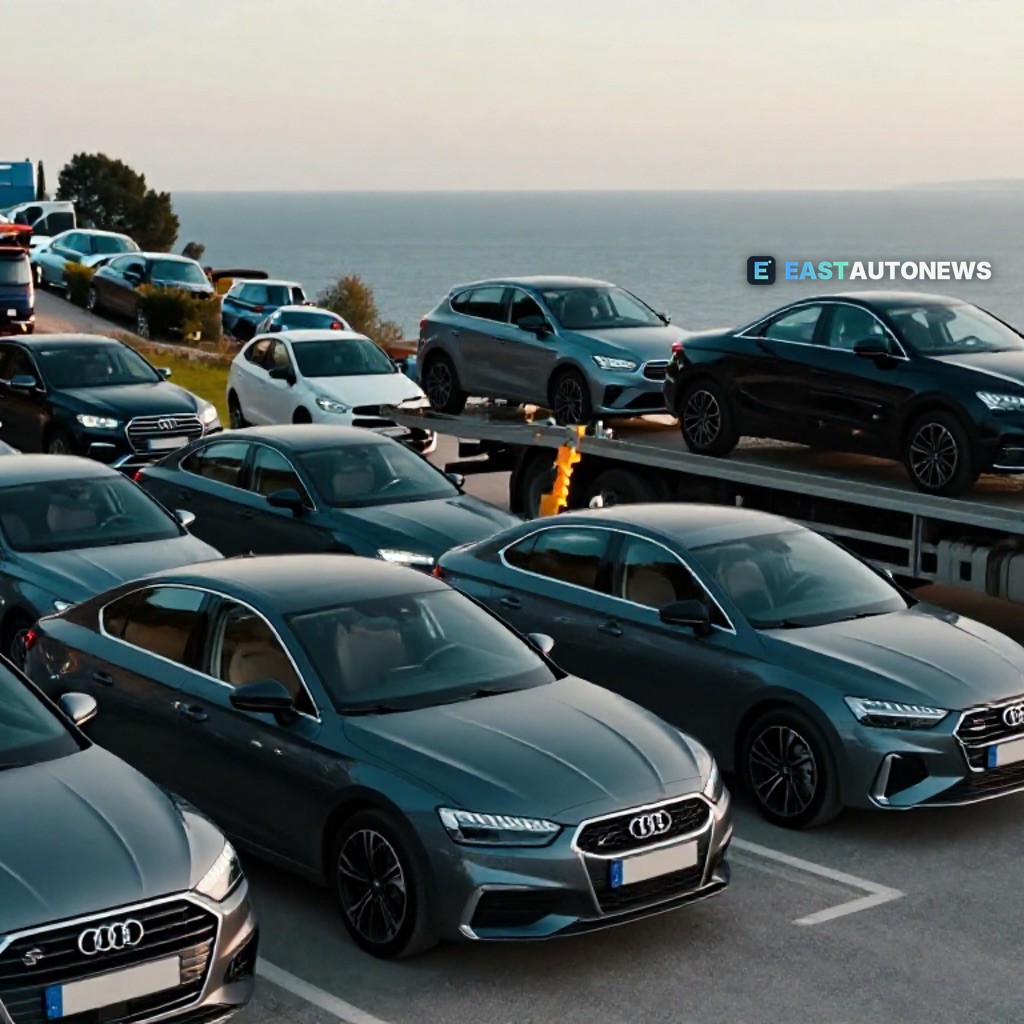
The timing helps. Europe's vehicle logistics chains are running hot — at the Port of Gothenburg, a key Scandinavian gateway, 197,000 new cars passed through in the latest period, up from 172,000 a year earlier, with imports jumping 29 percent and exports 10 percent. Every one of those vehicles then rolls inland by road and rail, through precisely the kind of overland corridors a landlocked state like Hungary depends upon — and along which new Central Asian freight would travel as well.
For now, the hubs remain a topic on the table rather than a signed commitment; what was discussed in Tashkent was intent, not concrete. But if the plans mature, Uzbek exporters gain proximity to EU buyers they cannot otherwise reach, and Hungary gains another node in its self-appointed role as the hinge between east and west. In the quiet geography of trade, that is how landlocked countries acquire weight.
All of this freight, in the end, exists to put vehicles into drivers' hands. Anyone currently searching for their next car will find sensational vehicles at sensational conditions at WorldTrader24, Europe's marketplace with more than 70,000 vehicles on offer.
WorldTrader24 B2B vehicle marketplace for dealers and fleet buyers →